ASUS ROG G733PZV-LL084W RAM upgrade specifications
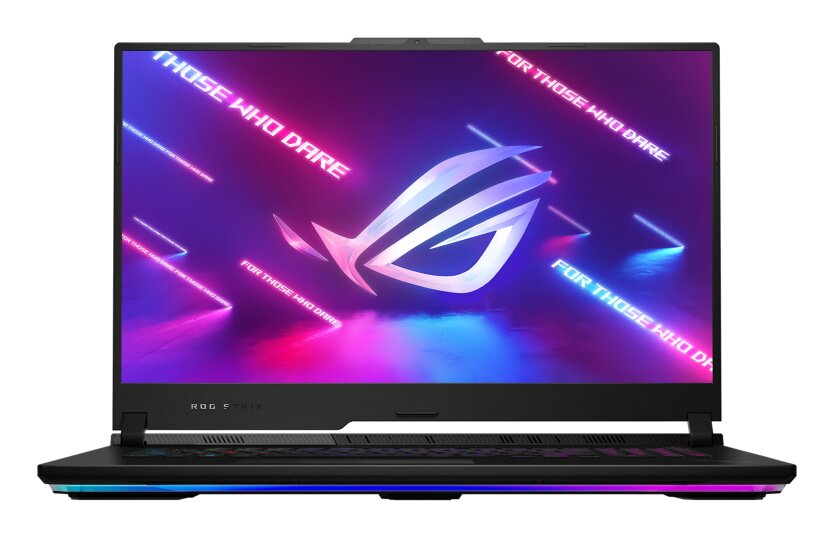
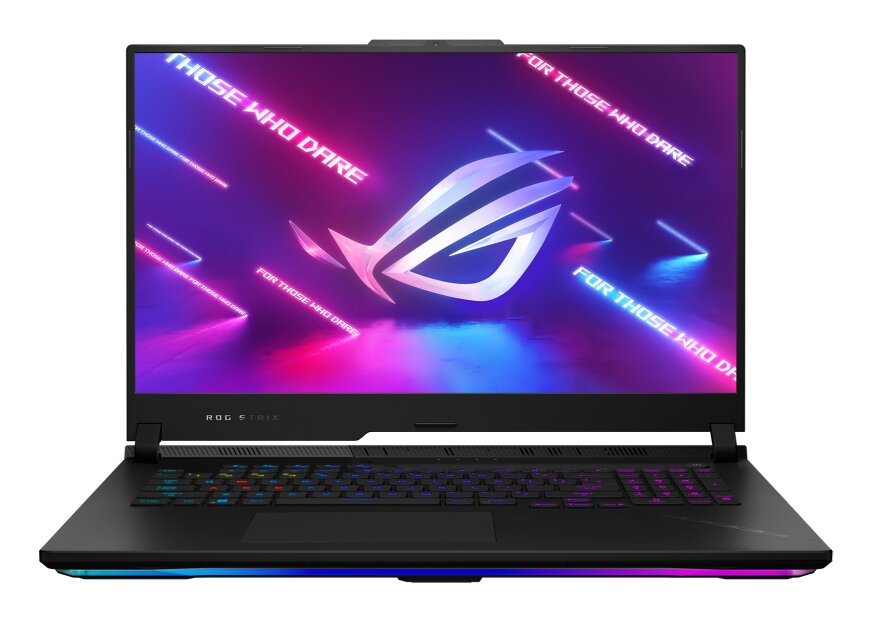



ASUS ROG Strix SCAR 17 X3D G733PZV-LL084W laptop memory upgrade specifications include two SO-DIMM slots supporting DDR5-SDRAM modules. Maximum compatible RAM capacity is 64 GB total. Memory frequency operates at 4800 MHz. Upgrade specifications detail slot configuration and supported DDR5 memory types for system expansion and performance enhancement.
Memory Upgrade Specifications
| Specification | Value |
|---|---|
| Memory slots | 2x SO-DIMM |
| Form factor | SO-DIMM |
| Memory type | DDR5-SDRAM |
| Frequency | 4800 MHz |
| Maximum RAM | 64 GB |
| Voltage | 1.1V |
| Number of pins | 262-pin |
| Interface | PC5 |
| PC Speed Rating | PC5-4800 (PC5-38400) |
| Bandwidth | 38.4 GB/s |
Additional Notes
- The ASUS ROG G733PZV-LL084W restricts RAM upgrades to SO-DIMM modules exclusively, preventing the use of standard DIMM form factors commonly found in desktop systems.
- DDR5-SDRAM technology provides backward incompatibility with DDR4 modules due to differences in pin configuration, voltage requirements, and physical notch placement.
- The 64 GB maximum capacity constraint typically reflects chipset memory controller limitations rather than physical slot restrictions, affecting users requiring higher memory allocation for virtualization or large dataset processing.
- The 4800 MHz frequency specification represents the officially supported baseline speed, while higher frequency modules may downclock to this rating unless BIOS-level XMP/EXPO profiles enable overclocking without voiding warranty terms.
- Dual SO-DIMM configuration necessitates matched memory pairs to activate dual-channel bandwidth architecture, which effectively doubles theoretical throughput compared to single-channel operation.
- Mixing modules with different timings or frequencies forces all installed memory to operate at the lowest common denominator specification, potentially degrading performance below the 4800 MHz threshold.
- SO-DIMM installations in laptops require accessing internal compartments that may involve removing bottom panels secured by manufacturer-specific fasteners, introducing physical access challenges compared to desktop upgrades.
- Thermal considerations become critical in laptop environments where inadequate airflow around memory modules can trigger thermal throttling, particularly under sustained workloads that saturate available bandwidth.
- The 2-slot limitation prevents incremental capacity expansion beyond initial configuration without removing existing modules, necessitating upfront investment in target capacity rather than gradual scaling.
- DDR5 voltage specifications operating at 1.1V differ from DDR4's 1.2V standard, requiring compatible power delivery circuitry and eliminating cross-generation module substitution.
- Latency profiles inherent to 4800 MHz DDR5 modules typically exhibit higher absolute CAS latency values compared to DDR4 equivalents, though effective latency may remain competitive due to increased clock speeds.
- Non-ECC SO-DIMM modules represent the standard consumer-grade specification for this platform, as ECC variants require server-class memory controllers rarely implemented in gaming-oriented systems.