ASUS ROG G733PYV-LL067W RAM upgrade specifications

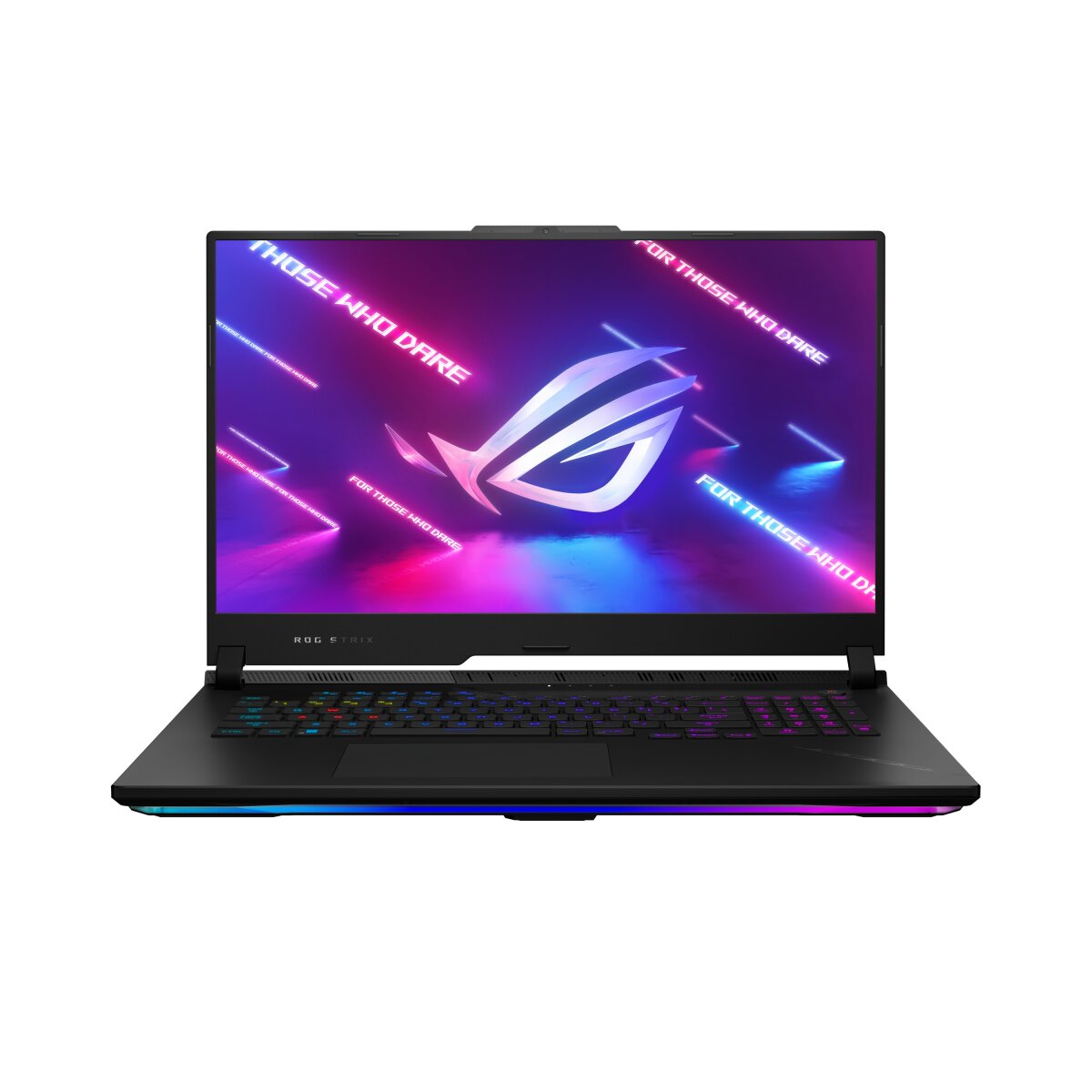



The ASUS ROG Strix SCAR 17 X3D G733PYV-LL067W features DDR5-SDRAM memory configuration with two SO-DIMM slots supporting maximum RAM capacity of 64 GB total. Memory upgrade specifications indicate compatible DDR5 modules operating at 4800 MHz frequency. The laptop accommodates SO-DIMM form factor memory upgrades, allowing users to expand existing RAM capacity within the maximum supported specifications for enhanced system performance.
Memory Upgrade Specifications
| Specification | Value |
|---|---|
| Memory slots | 2x SO-DIMM |
| Form factor | SO-DIMM |
| Memory type | DDR5-SDRAM |
| Frequency | 4800 MHz |
| Maximum RAM | 64 GB |
| Voltage | 1.1V |
| Number of pins | 262-pin |
| Interface | PC5 |
| PC Speed Rating | PC5-4800 (PC5-38400) |
| Bandwidth | 38.4 GB/s |
Additional Notes
- The ASUS ROG G733PYV-LL067W contains 2 SO-DIMM slots with a combined ceiling of 64 GB, meaning each slot supports 32 GB modules maximum. This dual-slot configuration leaves no expansion headroom after reaching the 64 GB limit, making memory upgrade planning a binary decision rather than incremental.
- DDR5-4800 MHz memory operates at a frequency requiring specific BIOS support and compatible chipset enablement. Installations using lower-speed DDR5 modules will downclock to the module's rated frequency, potentially underutilizing the system's memory architecture without performance penalty but reducing future upgrade flexibility.
- SO-DIMM form factor constrains module availability to laptop-specific inventory. Desktop DDR5 components (UDIMM) are physically incompatible and cannot be adapted, limiting sourcing options to mobile-grade memory stock which typically costs 15-25% more than desktop equivalents.
- Warranty considerations for memory upgrades depend on ASUS service policies; opening the chassis or accessing SO-DIMM slots may void coverage if performed outside authorized service channels. Users should verify this before attempting installation.
- Memory bandwidth saturation becomes a consideration with 64 GB configurations running concurrent high-demand workloads. The 2-channel SO-DIMM architecture cannot be expanded to 4-channel configurations, establishing a fixed throughput ceiling regardless of capacity upgrades.
- Mismatched module specifications (mixed capacity, speed, or manufacturer) in the 2 slots may trigger memory errors or force all modules to the lowest common denominator, potentially resulting in system instability without obvious error codes.