ASUS ROG G733PYV-LL052W RAM upgrade specifications
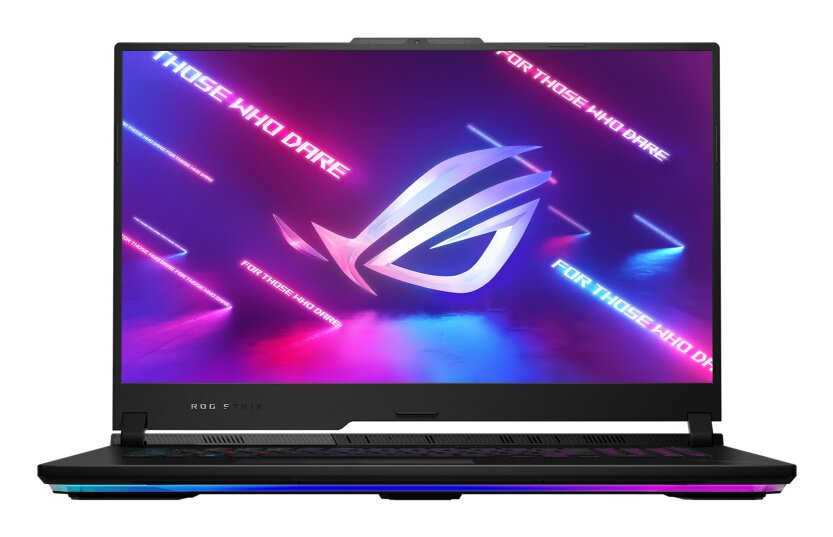

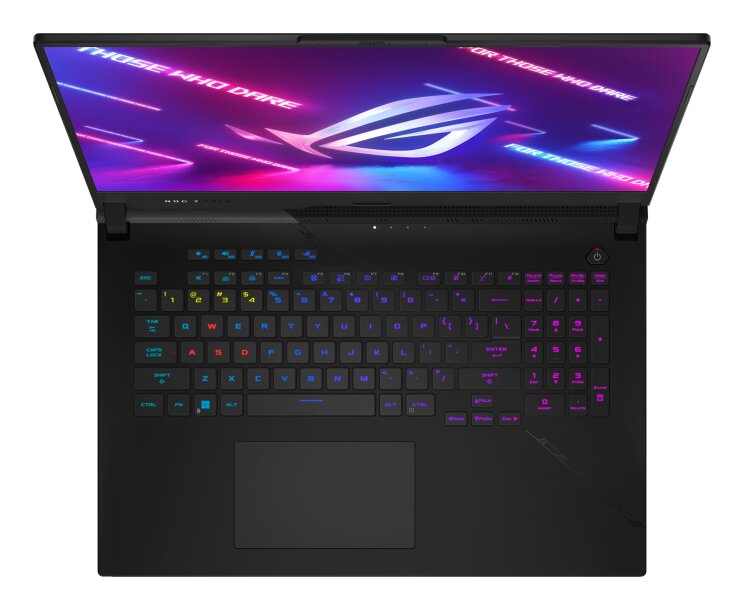


The ASUS ROG Strix SCAR 17 X3D G733PYV-LL052W features DDR5-SDRAM memory with two SO-DIMM slots supporting a maximum capacity of 64 GB. RAM upgrade specifications indicate compatible memory modules operate at 4800 MHz frequency. The laptop accepts SO-DIMM form factor memory upgrades, allowing users to expand memory configurations up to the maximum 64 GB specifications. Current memory slots accommodate DDR5-SDRAM expansion compatible with the system's architecture.
Memory Upgrade Specifications
| Specification | Value |
|---|---|
| Memory slots | 2x SO-DIMM |
| Form factor | SO-DIMM |
| Memory type | DDR5-SDRAM |
| Frequency | 4800 MHz |
| Maximum RAM | 64 GB |
| Voltage | 1.1V |
| Number of pins | 262-pin |
| Interface | PC5 |
| PC Speed Rating | PC5-4800 (PC5-38400) |
| Bandwidth | 38.4 GB/s |
Additional Notes
- The ASUS ROG G733PYV-LL052W employs a 2-slot SO-DIMM architecture, which means total capacity expansion is constrained by a hard ceiling of 64 GB rather than offering modular scalability across additional slots.
- DDR5-4800 MHz memory operates at the JEDEC standard speed for this generation, indicating that higher-frequency modules (5600 MHz or beyond) will downclock to 4800 MHz, eliminating any performance advantage from premium memory SKUs.
- SO-DIMM form factor memory is soldered into a compact mobile form factor, requiring complete module replacement rather than incremental addition when upgrading; both slots must be populated simultaneously to achieve the 64 GB maximum.
- Upgrading from factory-installed configurations to maximum capacity requires purchasing a matched pair of 32 GB SO-DIMM modules rated for DDR5-4800 or higher, as mismatched capacities or speeds may trigger BIOS stability issues or force downclocking of the faster module.
- DDR5 memory controllers integrated into the processor handle all frequency negotiation; if factory modules operate below 4800 MHz, aftermarket modules rated at 4800 MHz will not automatically overclock the system to their rated speed and may require BIOS configuration to synchronize with existing memory timing profiles.
- The 2-slot limitation means thermal management around DIMM slots is tighter than multi-slot platforms; high-capacity DDR5 modules generate elevated heat during sustained workloads, and proximity to GPU or CPU cooling solutions may necessitate verification of clearance before physical installation.