ASUS ROG G733CX-LL076X RAM upgrade specifications
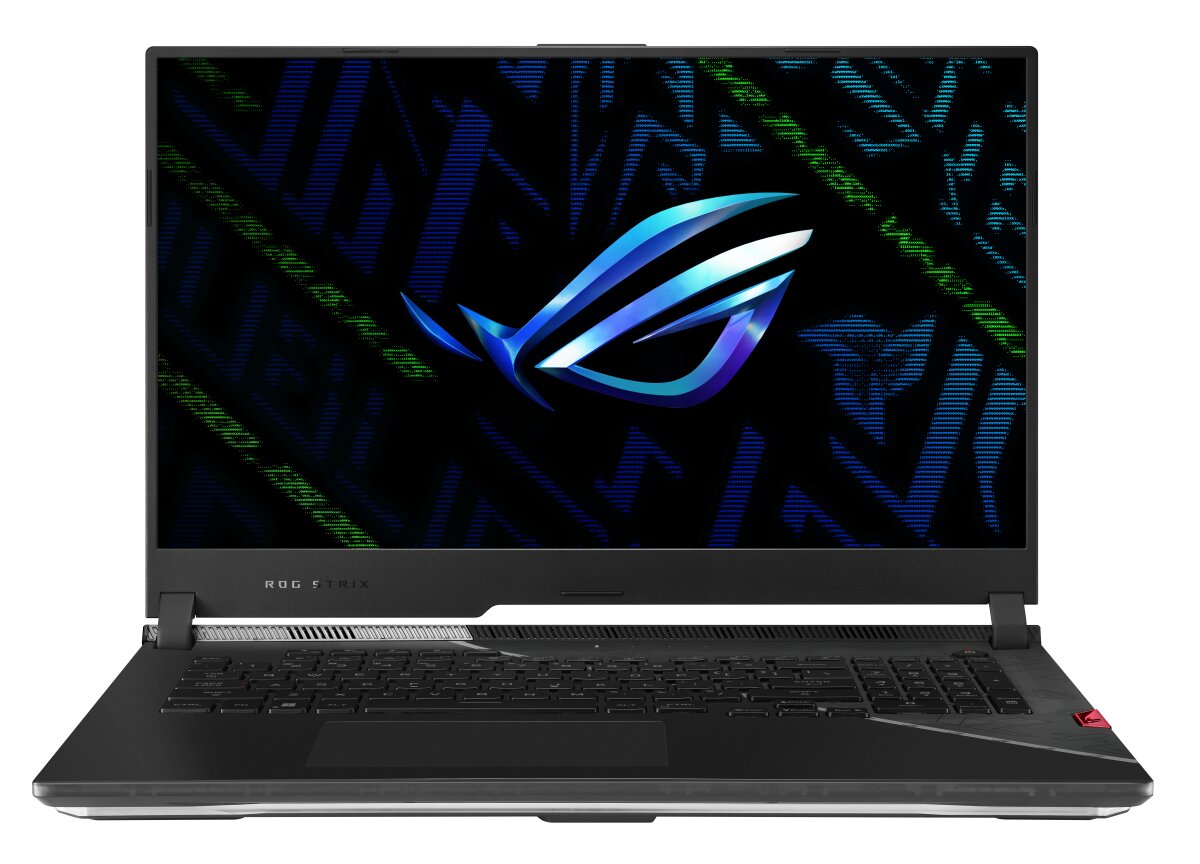
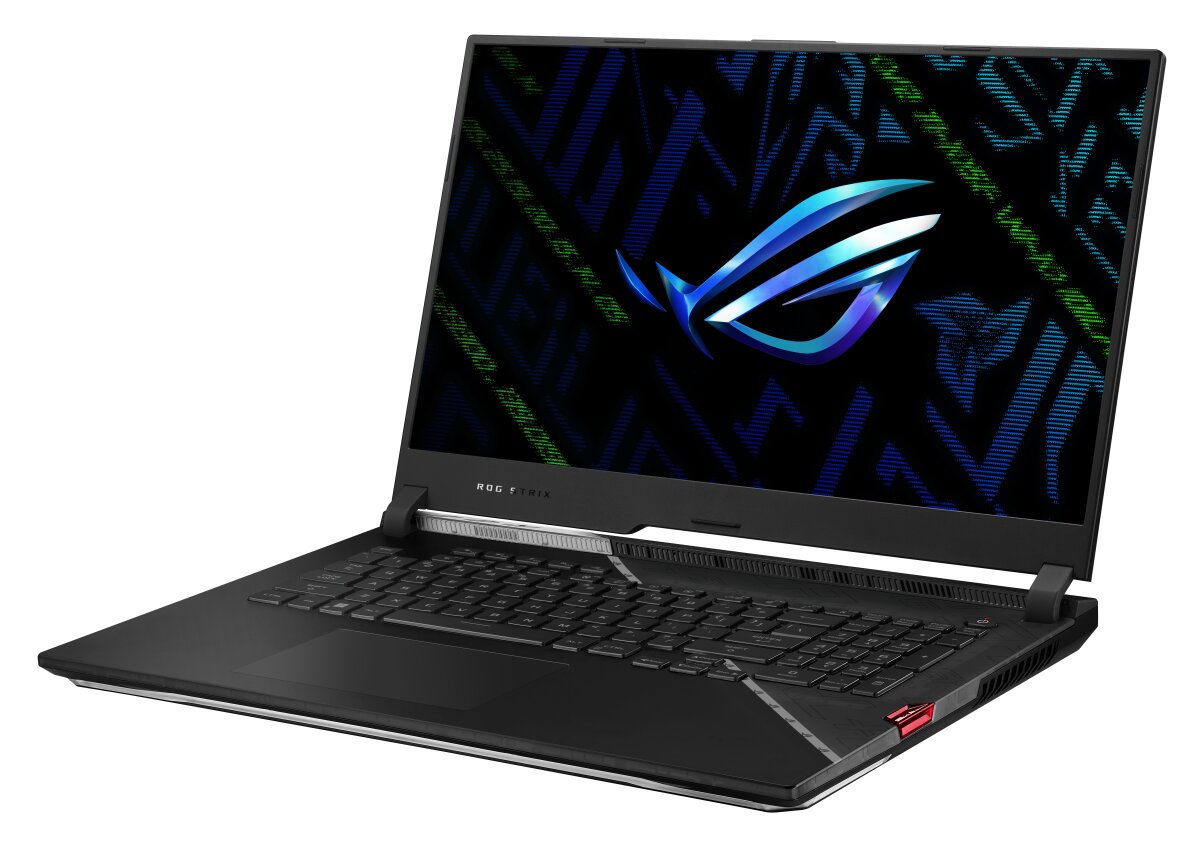
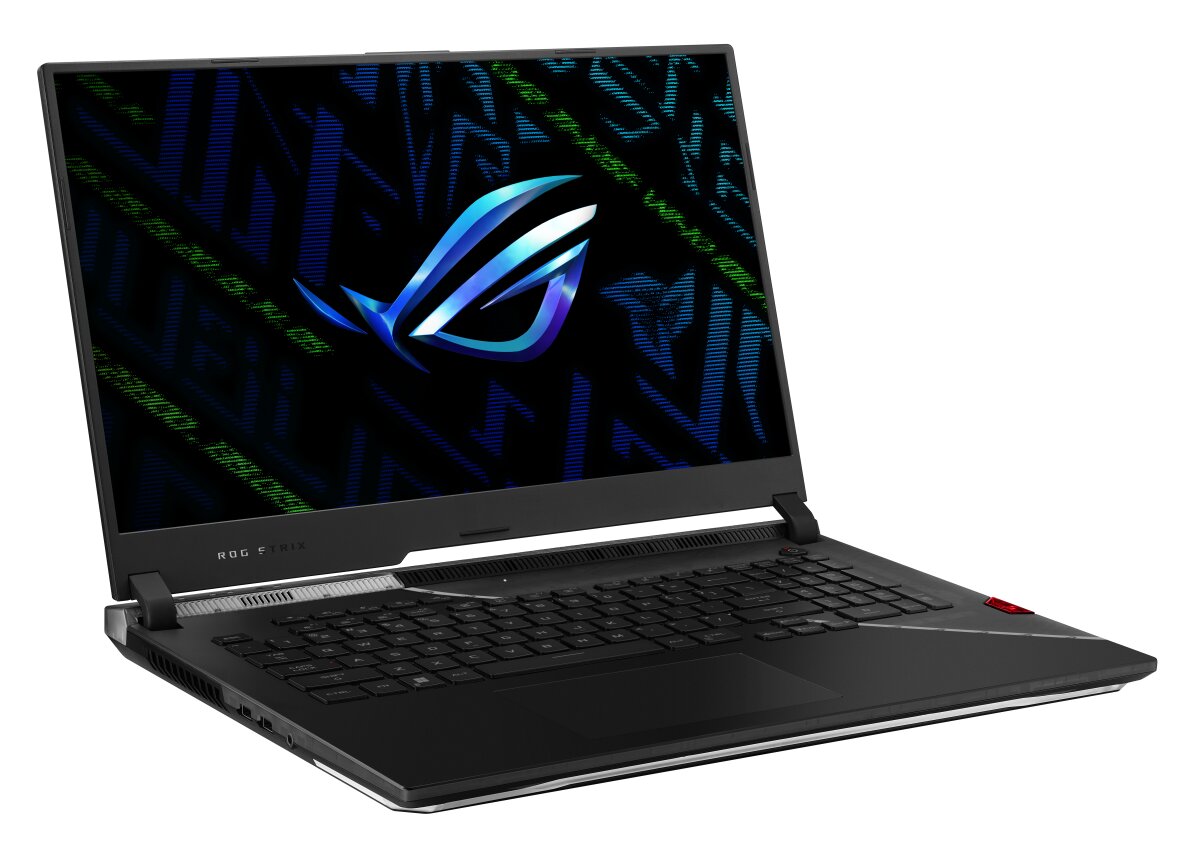
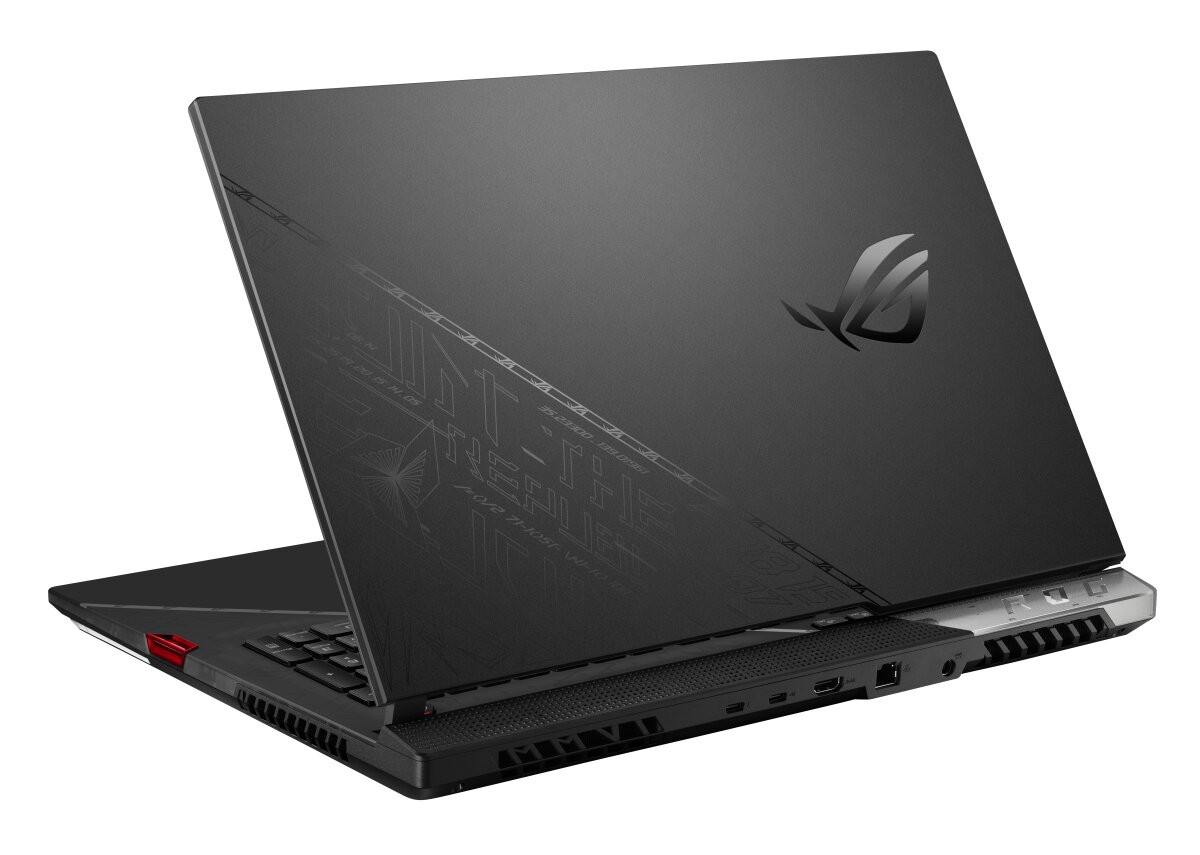
ASUS ROG Strix SCAR 17 SE model G733CX-LL076X features DDR5-SDRAM memory upgrade specifications. The laptop contains 2x SO-DIMM slots for RAM expansion. Maximum supported memory capacity reaches 64 GB total. Compatible upgrade modules operate at 4800 MHz frequency and utilize SO-DIMM form factor. Current memory configuration can be expanded to achieve full 64 GB maximum capacity through compatible DDR5 RAM modules installed in available slots.
Memory Upgrade Specifications
| Specification | Value |
|---|---|
| Memory slots | 2x SO-DIMM |
| Form factor | SO-DIMM |
| Memory type | DDR5-SDRAM |
| Frequency | 4800 MHz |
| Maximum RAM | 64 GB |
| Voltage | 1.1V |
| Number of pins | 262-pin |
| Interface | PC5 |
| PC Speed Rating | PC5-4800 (PC5-38400) |
| Bandwidth | 38.4 GB/s |
| Laptop Release date | 16 July 2022 |
Additional Notes
- The ASUS ROG G733CX-LL076X supports a maximum of 64 GB across both slots, requiring either two 32 GB modules or accepting asymmetric configurations like one 48 GB and one 16 GB module if dual-channel operation is not prioritized.
- DDR5-SDRAM modules operate at higher voltages and follow different signal timing than DDR4, making previous generation modules physically and electrically incompatible with this system.
- The 4800 MHz specification represents JEDEC standard speed for DDR5, while higher frequency modules rated for 5200 MHz, 5600 MHz, or beyond will function but may downclock to match the motherboard's supported speed or require BIOS adjustments.
- SO-DIMM form factor modules measure approximately 67.6 mm in length compared to standard DIMM modules at 133.35 mm, preventing installation of desktop memory despite matching DDR5 technology.
- Dual SO-DIMM configuration enables dual-channel memory architecture, which provides maximum theoretical bandwidth of 76.8 GB/s at 4800 MHz when both slots contain matched capacity and speed modules.
- Accessing both memory slots typically requires complete bottom panel removal and may involve navigating around cooling assemblies or battery components depending on internal layout.
- Mixing different capacity modules between slots maintains functionality but may disable dual-channel mode for the mismatched portion, reducing effective bandwidth for that segment of memory.
- Third-party memory installation generally preserves manufacturer warranty coverage in most regions, though verification of specific warranty terms prevents potential claim complications.
- DDR5 modules incorporate onboard power management ICs that handle voltage regulation independently, differentiating thermal characteristics from DDR4 and potentially affecting sustained performance under heavy workloads.
- The 64 GB ceiling suggests motherboard chipset or BIOS limitations rather than slot physical restrictions, as individual SO-DIMM DDR5 modules exist in 48 GB capacities that would theoretically allow 96 GB total.