ASUS ROG G733QS-HG252T RAM upgrade specifications
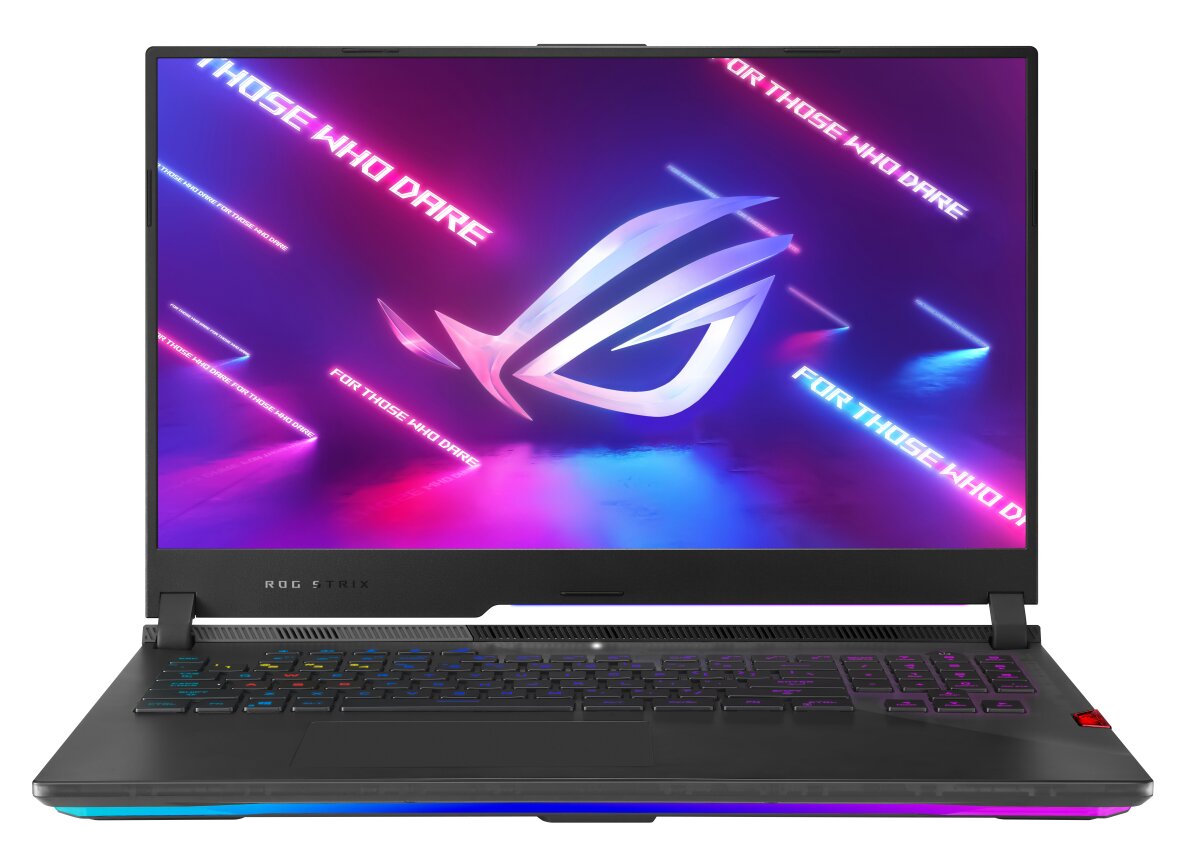
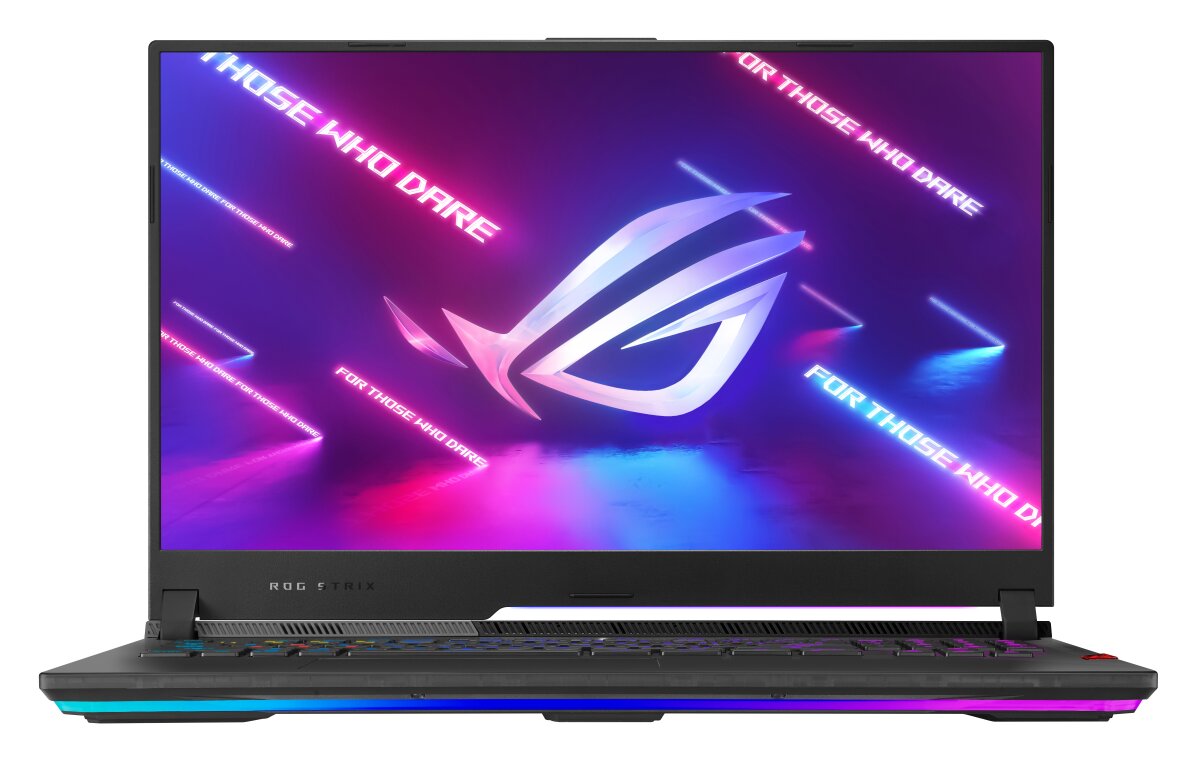
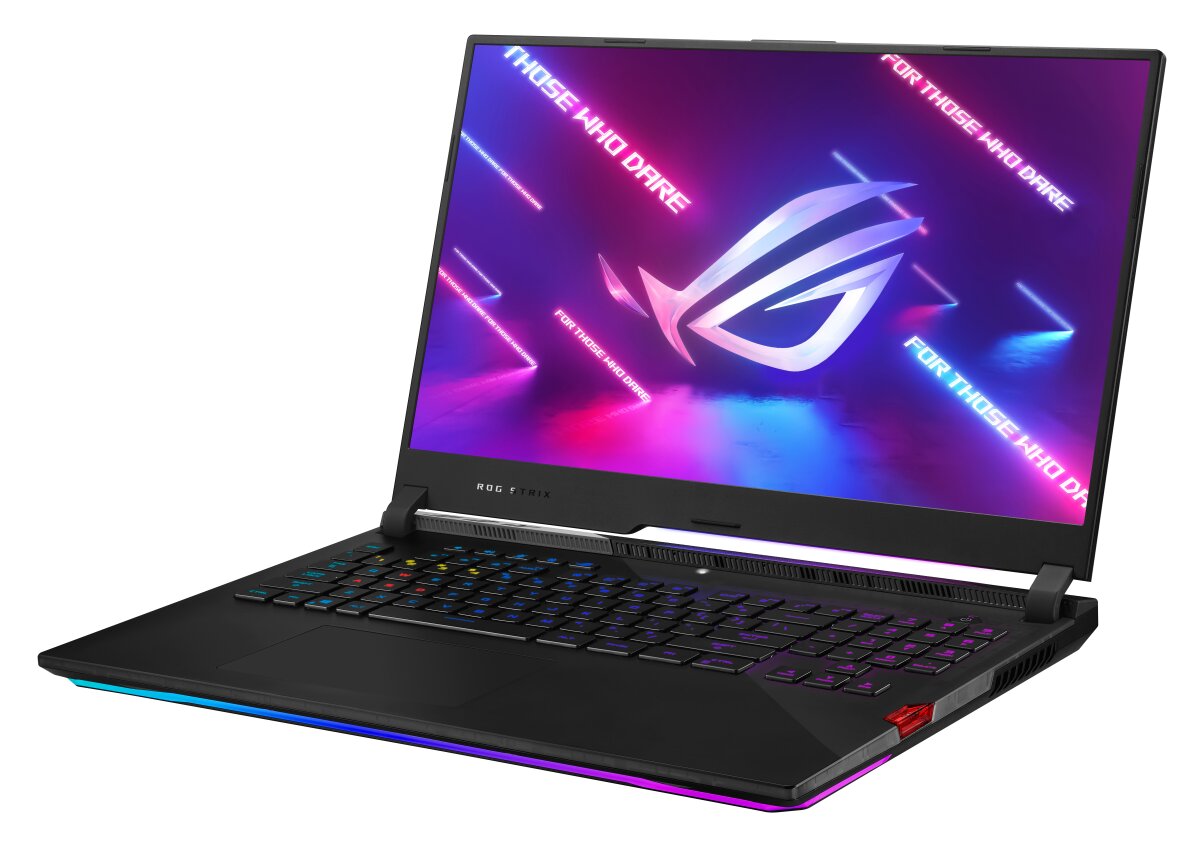
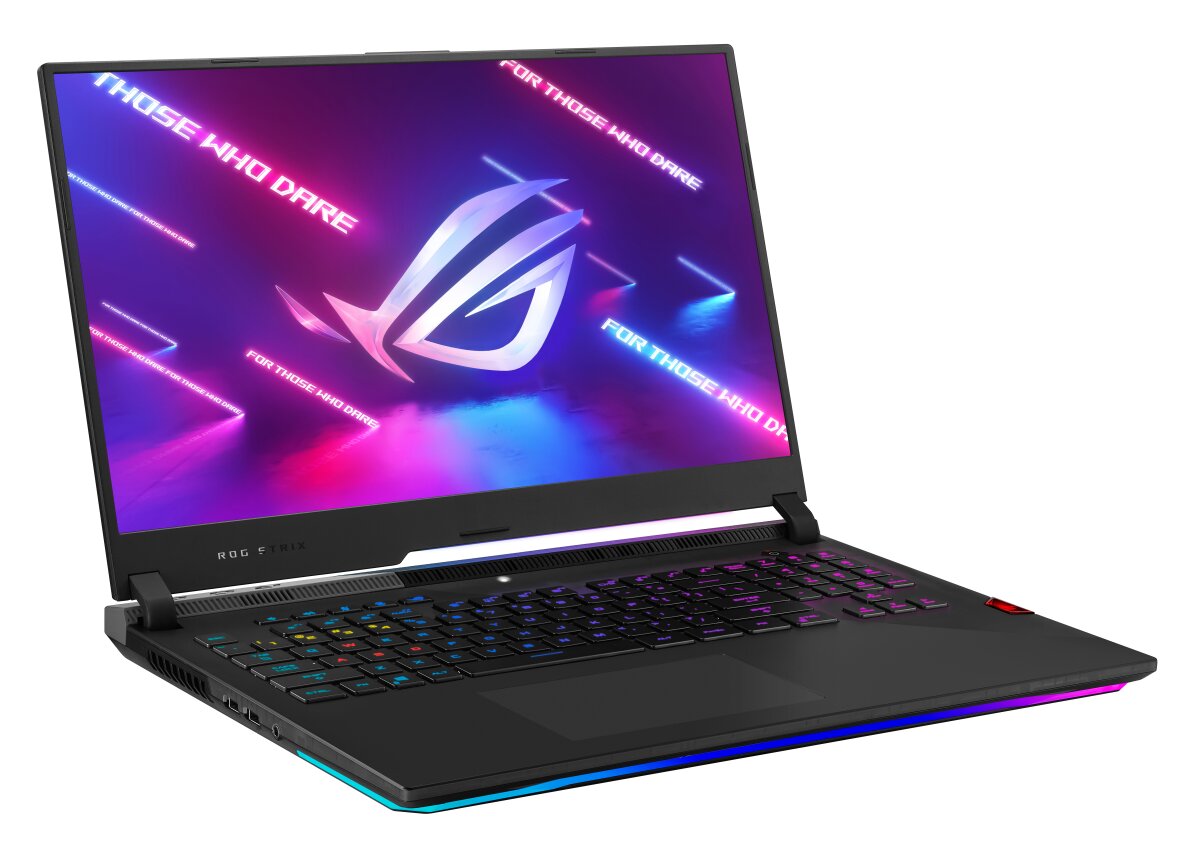
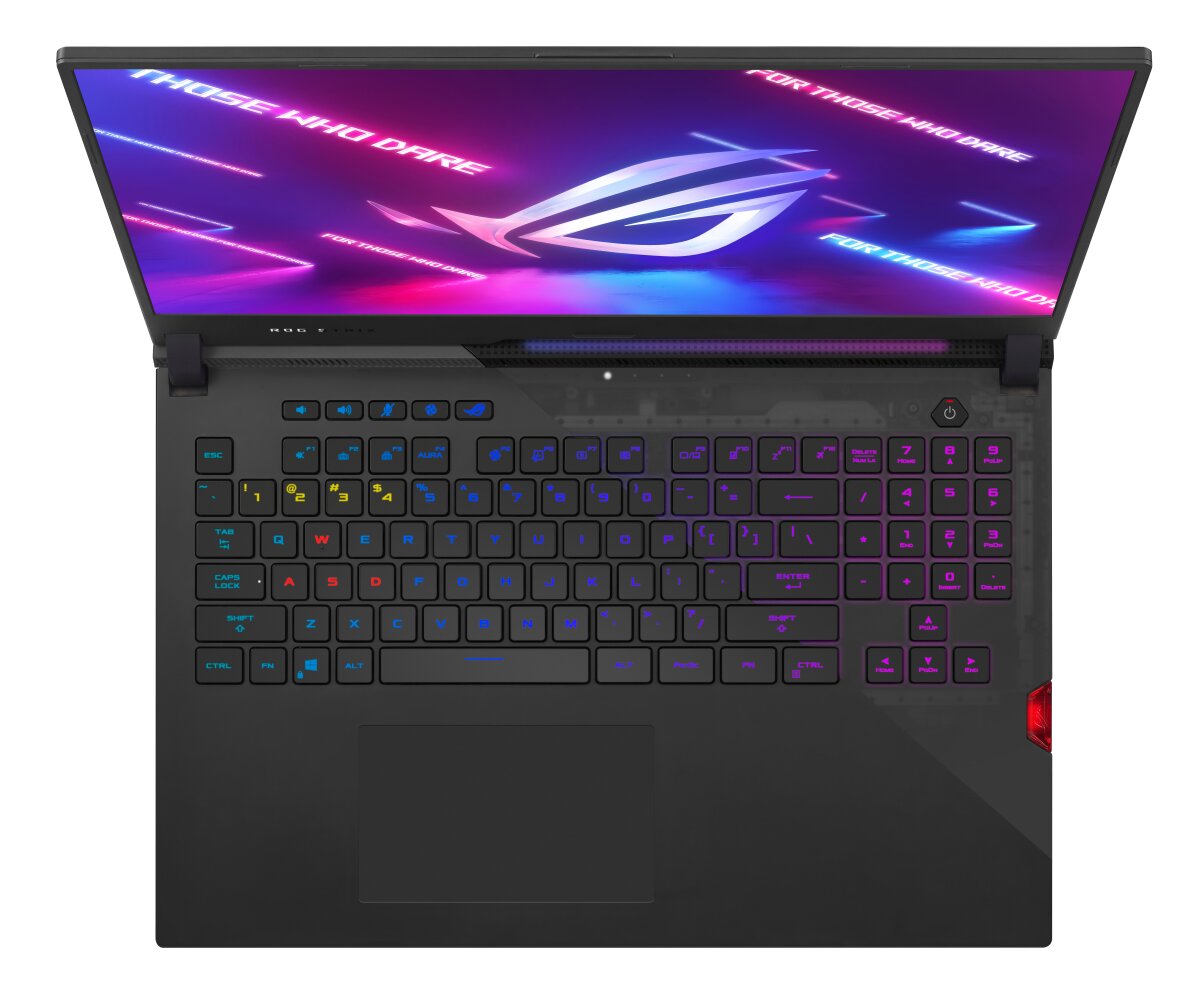
The ASUS ROG Strix SCAR 17 G733QS-HG252T supports DDR4-SDRAM memory upgrades through two SO-DIMM slots. Maximum compatible RAM capacity reaches 64 GB total. The upgrade specifications indicate DDR4 modules operating at 3200 MHz frequency. SO-DIMM form factor modules are required for compatibility with this gaming laptop model. Memory upgrade options allow users to expand system RAM according to these maximum specifications and slot availability.
Memory Upgrade Specifications
| Specification | Value |
|---|---|
| Memory slots | 2x SO-DIMM |
| Form factor | SO-DIMM |
| Memory type | DDR4-SDRAM |
| Frequency | 3200 MHz |
| Maximum RAM | 64 GB |
| Voltage | 1.2V |
| Number of pins | 260-pin |
| Interface | PC4 |
| PC Speed Rating | PC4-3200 (PC4-25600) |
| Bandwidth | 25.6 GB/s |
| Laptop Release date | 25 November 2021 |
Additional Notes
- The dual-socket architecture requires identical module pairs to maintain synchronous dual-channel memory bandwidth and prevent performance degradation in CPU-intensive tasks.
- Upgrading the ASUS ROG G733QS-HG252T involves removing the bottom chassis panel which exposes delicate ribbon cables for the lighting system that must remain intact to preserve the factory warranty.
- The 64 capacity limit indicates the motherboard firmware supports high-density 32 modules per slot but restricts further expansion due to chipset addressing boundaries.
- Installation of memory modules with aggressive XMP profiles will likely result in a fallback to standard JEDEC timings because mobile chipsets often lack BIOS-level voltage adjustments for overclocking.
- Physical layout constraints within the SO-DIMM slots necessitate the use of standard height modules to avoid interference with the integrated heatpipe cooling system.
- Utilizing single-rank versus dual-rank modules impacts the memory controller interleaving and can lead to measurable differences in 1 percent low frame rates during gaming.
- The transition to 64 provides the necessary overhead for localized virtual machine hosting and high-resolution 4K video rendering without triggering disk-based swap file usage.