ASUS ROG G733QS-HG156T RAM upgrade specifications
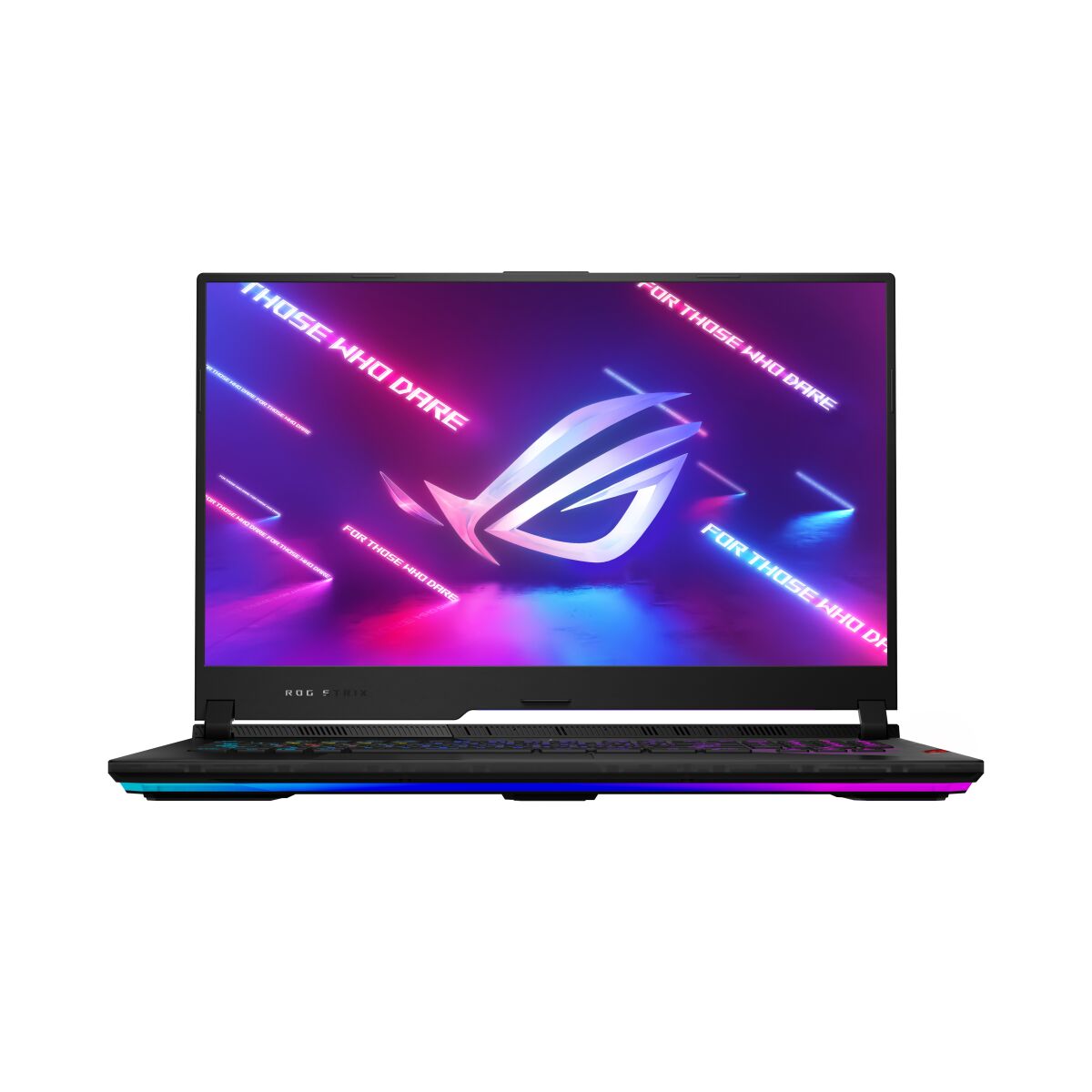
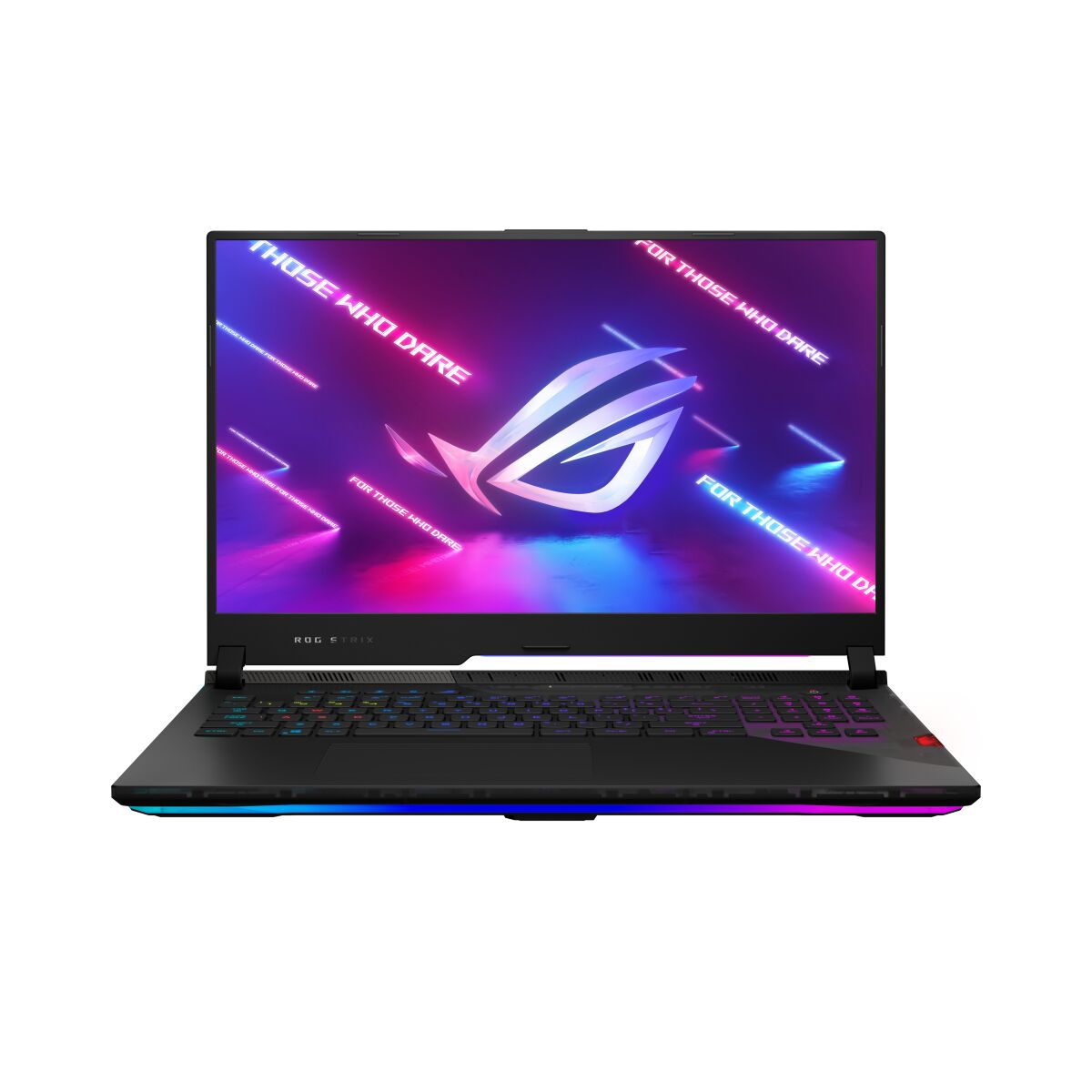
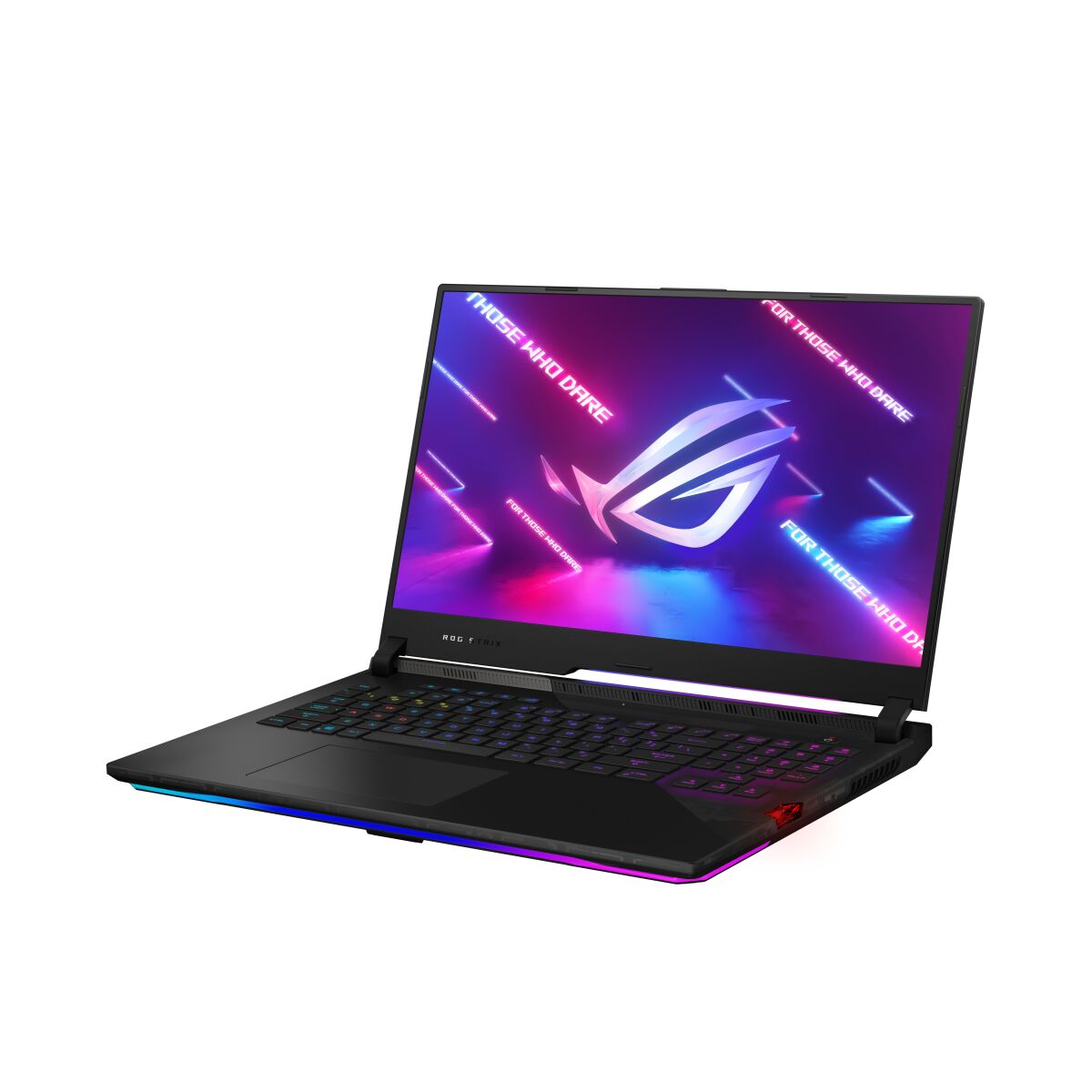
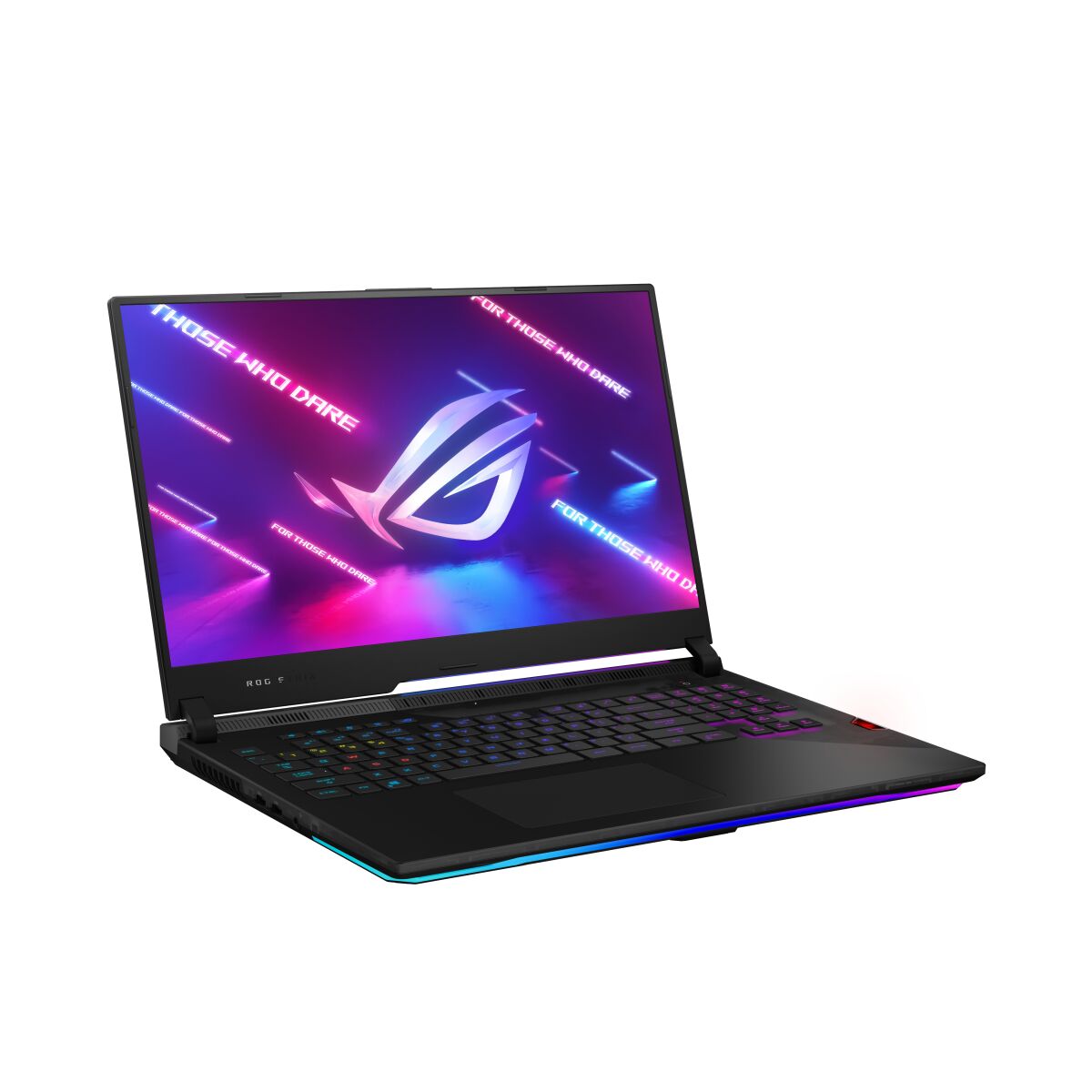
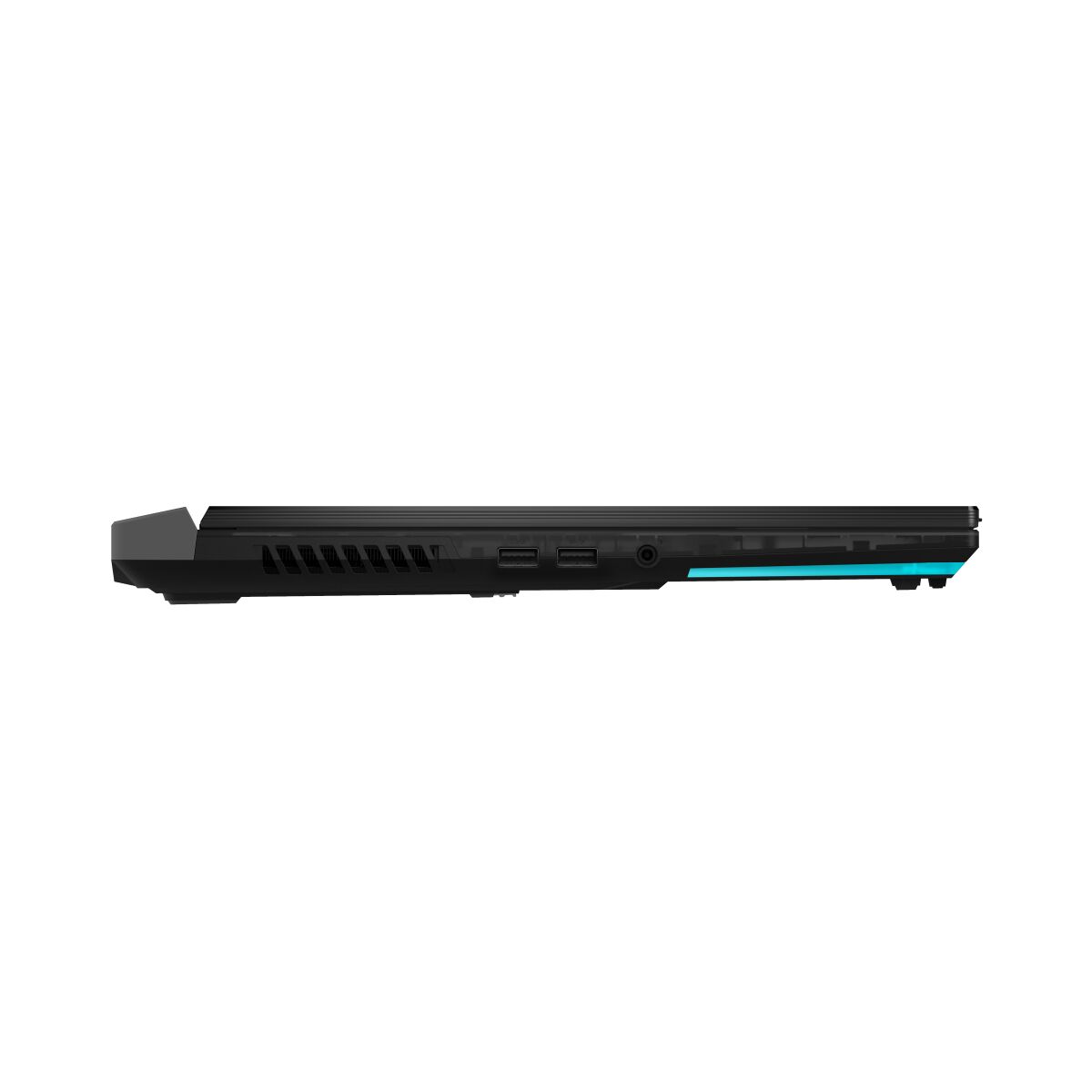
The ASUS ROG Strix SCAR 17 G733QS-HG156T laptop features DDR4-SDRAM memory upgrade capabilities with two SO-DIMM slots supporting maximum capacity of 64 GB. Compatible memory modules operate at 3200 MHz frequency. Upgrade specifications indicate SO-DIMM form factor configuration for RAM expansion. Memory upgrade slots accommodate standard DDR4 modules, allowing users to enhance system performance through compatible memory installation. Maximum RAM specifications support high-capacity configurations for demanding computing applications.
Memory Upgrade Specifications
| Specification | Value |
|---|---|
| Memory slots | 2x SO-DIMM |
| Form factor | SO-DIMM |
| Memory type | DDR4-SDRAM |
| Frequency | 3200 MHz |
| Maximum RAM | 64 GB |
| Voltage | 1.2V |
| Number of pins | 260-pin |
| Interface | PC4 |
| PC Speed Rating | PC4-3200 (PC4-25600) |
| Bandwidth | 25.6 GB/s |
| Laptop Release date | 28 May 2021 |
Additional Notes
- The ASUS ROG G733QS-HG156T accepts only SO-DIMM modules, eliminating compatibility with standard desktop DIMM memory despite identical DDR4 specifications.
- The 64 GB ceiling requires two 32 GB modules, as single-module configurations would leave expansion potential unused in this dual-slot architecture.
- DDR4-3200 represents the validated speed threshold; higher-frequency modules may downclock automatically to 3200 MHz regardless of XMP profile settings.
- Mixing modules with different densities or timings across the two slots can force both to operate at the lower specification, creating asymmetric performance degradation.
- Dual-channel operation depends on populated slots containing matched capacity modules; unequal pairing reverts portions of memory bandwidth to single-channel mode.
- SO-DIMM installation requires bottom panel removal, which may affect warranty status depending on regional service policies and seal placement.
- Non-ECC SO-DIMM modules are implied by gaming laptop classification; registered or buffered memory types remain physically incompatible with this consumer platform.
- The 3200 MHz native frequency operates without overclocking requirements, maintaining stable operation under thermal constraints typical of laptop chassis designs.
- Capacity upgrades beyond factory configuration may alter power draw characteristics during intensive memory operations, affecting thermal management behavior.
- Static discharge precautions become critical during module installation due to exposed circuit traces on SO-DIMM edge connectors and laptop motherboard slot contacts.