ASUS ROG G733ZX-LL055W RAM upgrade specifications
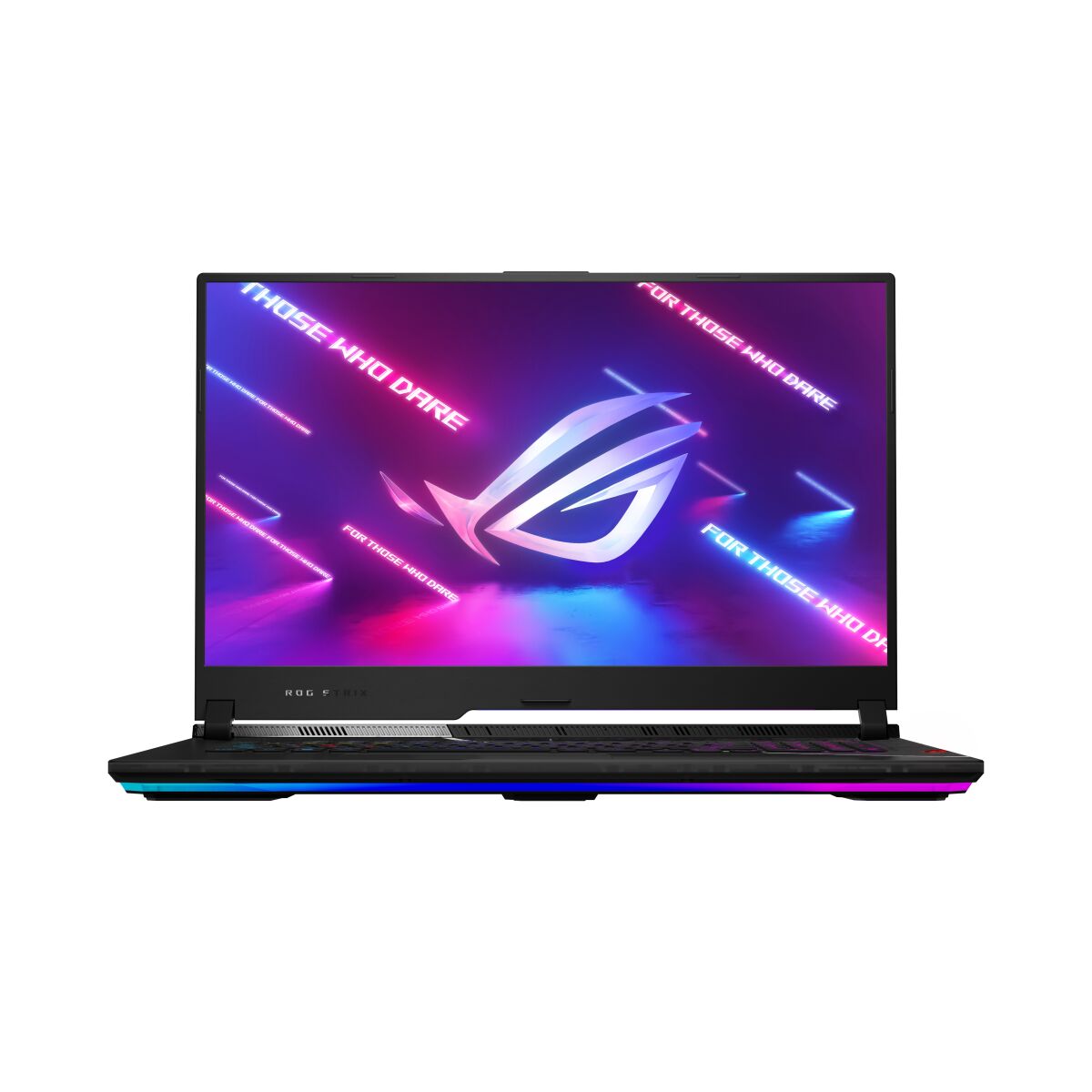
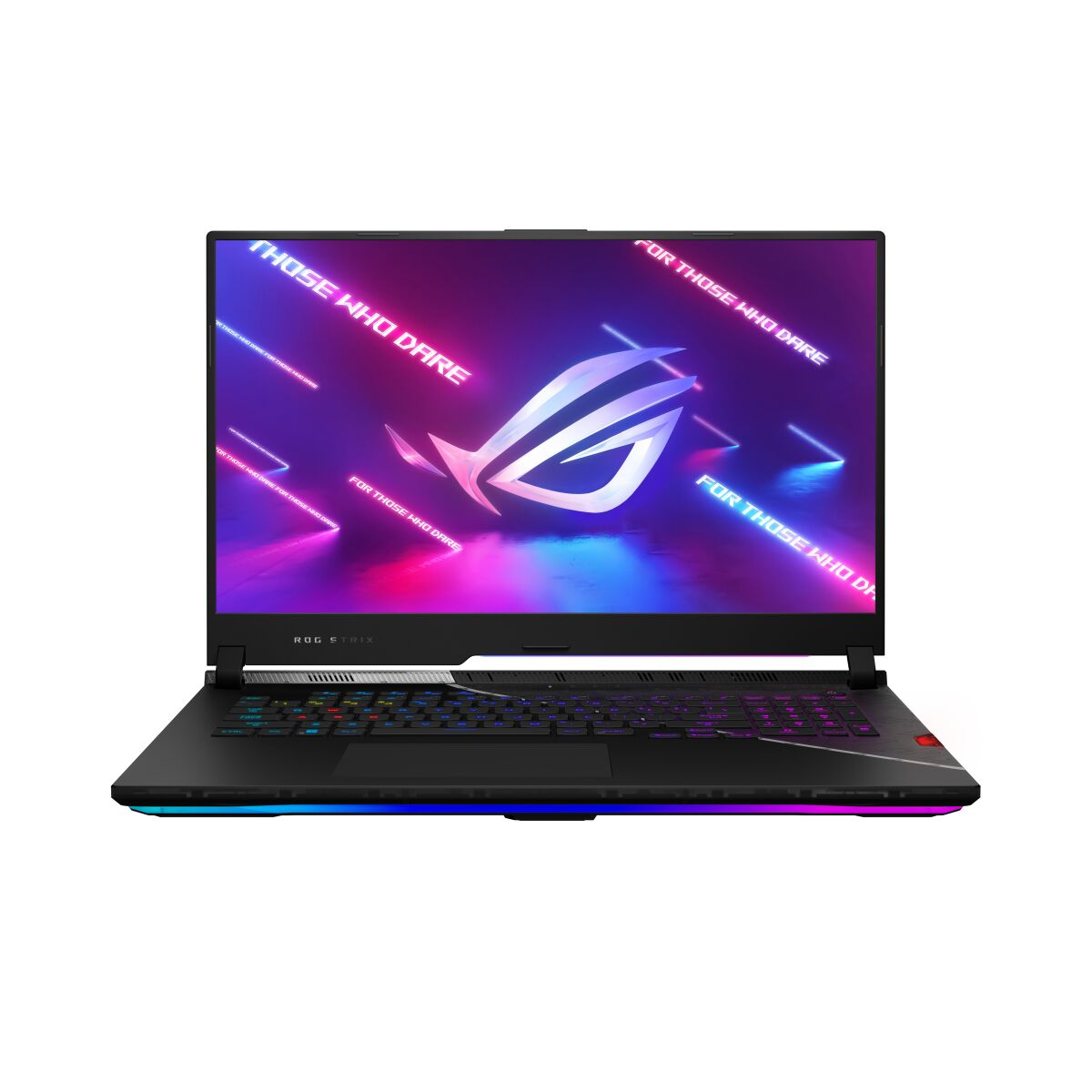
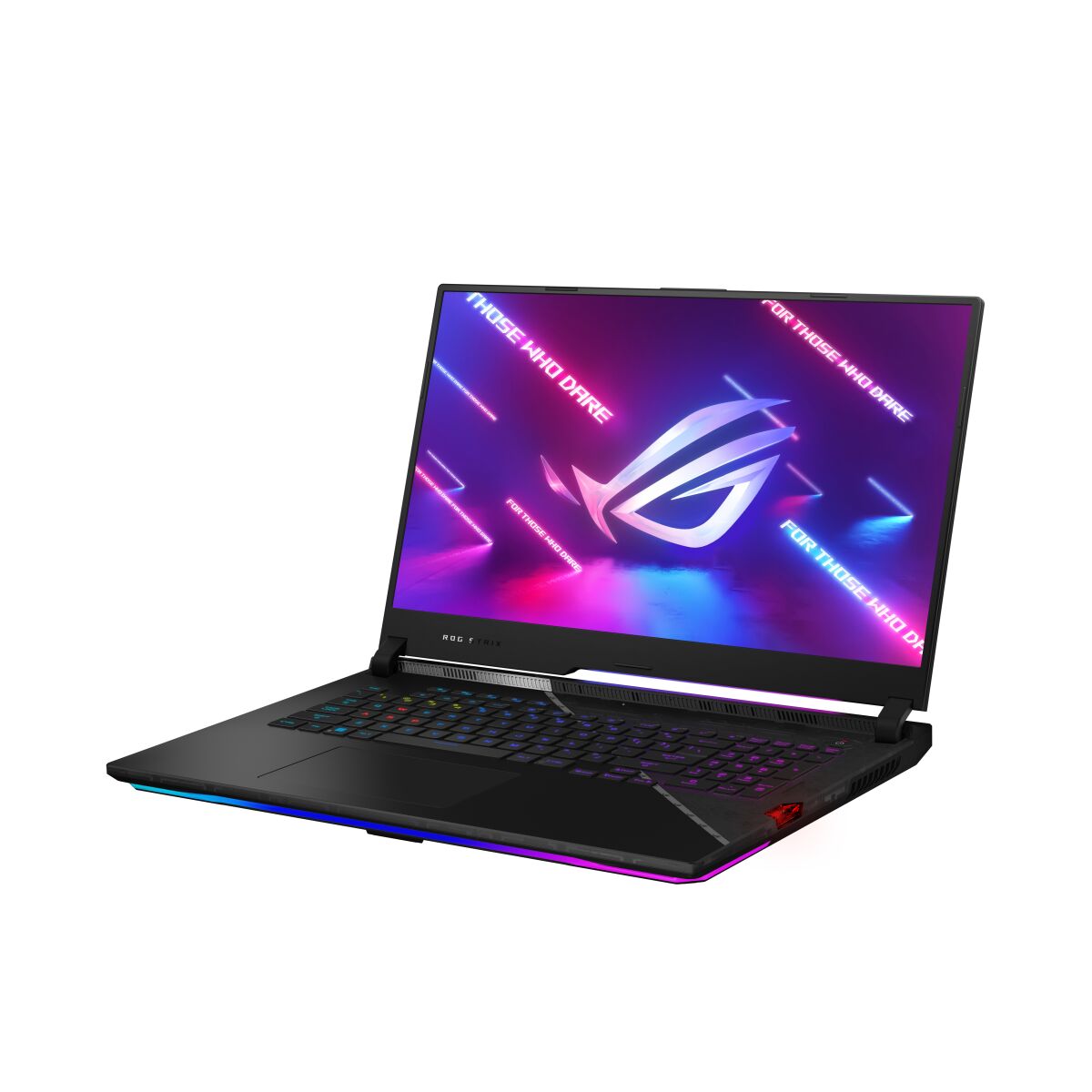
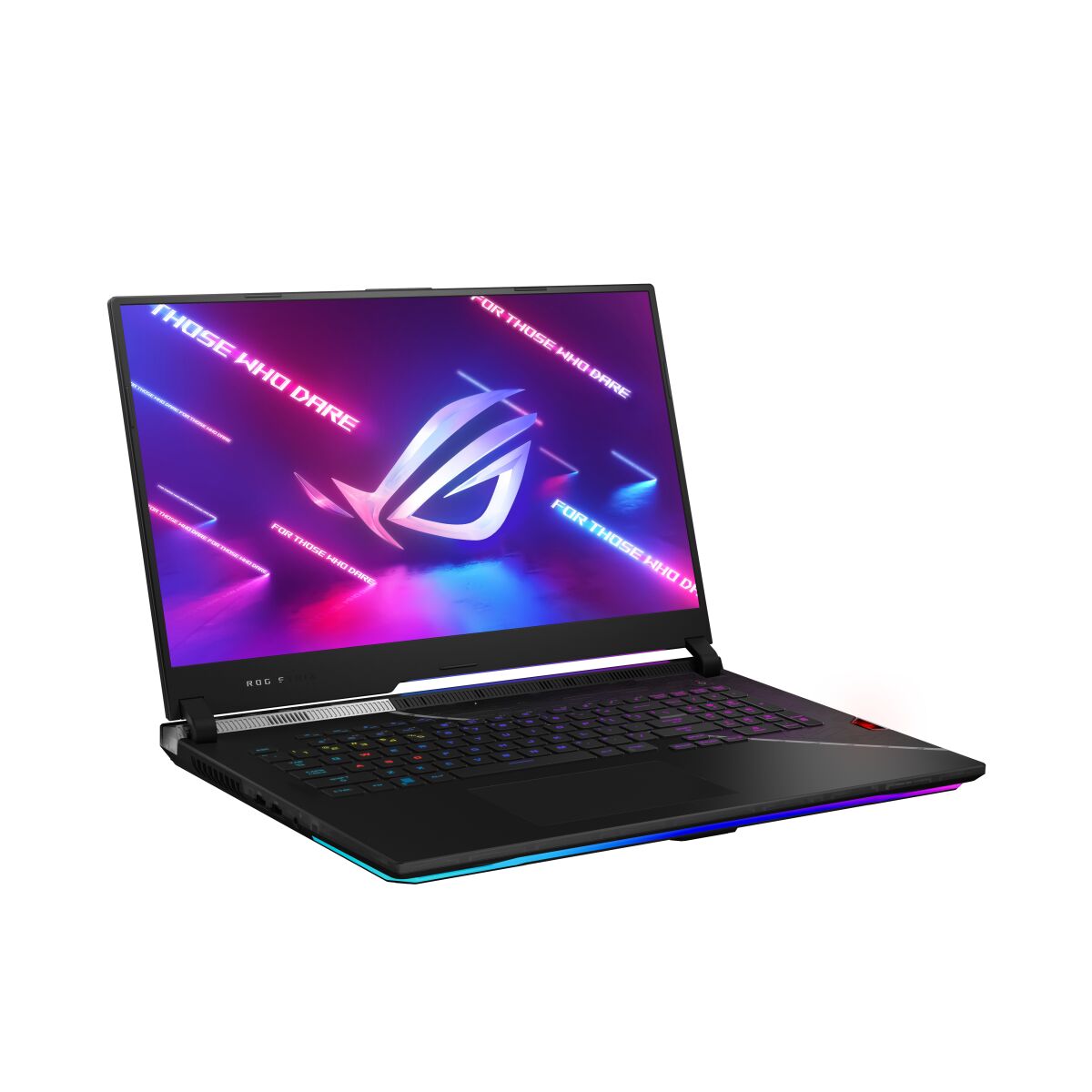
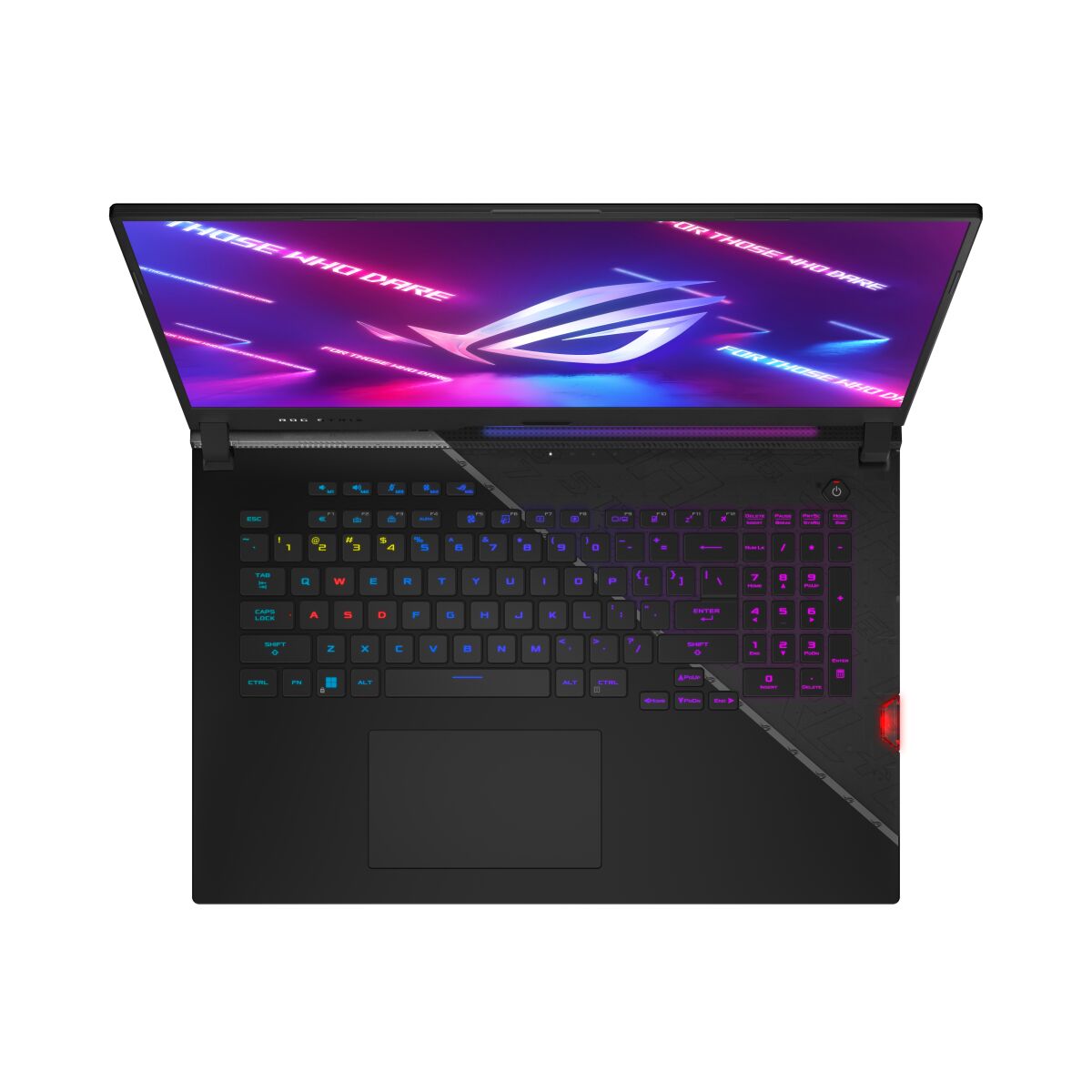
The ASUS ROG Strix SCAR 17 G733ZX-LL055W laptop features DDR5-SDRAM memory upgrade specifications with 2x SO-DIMM slots supporting maximum capacity of 64 GB. Compatible memory modules operate at 4800 MHz frequency using the SO-DIMM form factor. Upgrade capacity per slot accommodates 32 GB modules for users requiring enhanced multitasking and application performance. The memory specifications provide expansion options for intensive gaming and professional workload requirements on the ROG Strix SCAR 17 platform.
Memory Upgrade Specifications
| Specification | Value |
|---|---|
| Memory slots | 2x SO-DIMM |
| Form factor | SO-DIMM |
| Memory type | DDR5-SDRAM |
| Frequency | 4800 MHz |
| Maximum RAM | 64 GB |
| Voltage | 1.1V |
| Number of pins | 262-pin |
| Interface | PC5 |
| PC Speed Rating | PC5-4800 (PC5-38400) |
| Bandwidth | 38.4 GB/s |
| Laptop Release date | 21 January 2022 |
Additional Notes
- The ASUS ROG G733ZX-LL055W contains 2 SO-DIMM slots operating at DDR5-4800 MHz, which means both slots must be populated simultaneously to achieve dual-channel bandwidth; installing a single module will disable the performance advantage associated with interleaved memory access patterns.
- DDR5-4800 specification indicates the system will not recognize or operate at higher JEDEC frequencies such as DDR5-5600 or DDR5-6400, even if physically installed; only modules rated for 4800 MHz or lower will function without automatic downclocking.
- Upgrading to the 64 GB maximum requires replacement rather than addition, as the 2-slot configuration provides no empty expansion slots; the existing memory module(s) must be removed and reinstalled with 32 GB modules.
- SO-DIMM form factor creates a physical constraint where standard UDIMM modules cannot be installed; laptop memory must specifically use the smaller SO-DIMM footprint or the motherboard connector will reject the module during insertion attempts.
- DDR5 SO-DIMM modules typically operate at lower voltage (1.2V nominal) compared to previous DDR4 generations, meaning backward compatibility with DDR4 modules is not possible due to both electrical and mechanical incompatibility at the connector level.
- The 64 GB ceiling represents a hard limit imposed by the BIOS and memory controller architecture; even if higher-capacity modules become available, the system firmware will not allocate or recognize capacity beyond this threshold.