ASUS ROG G733ZX-LL055W-BE RAM upgrade specifications
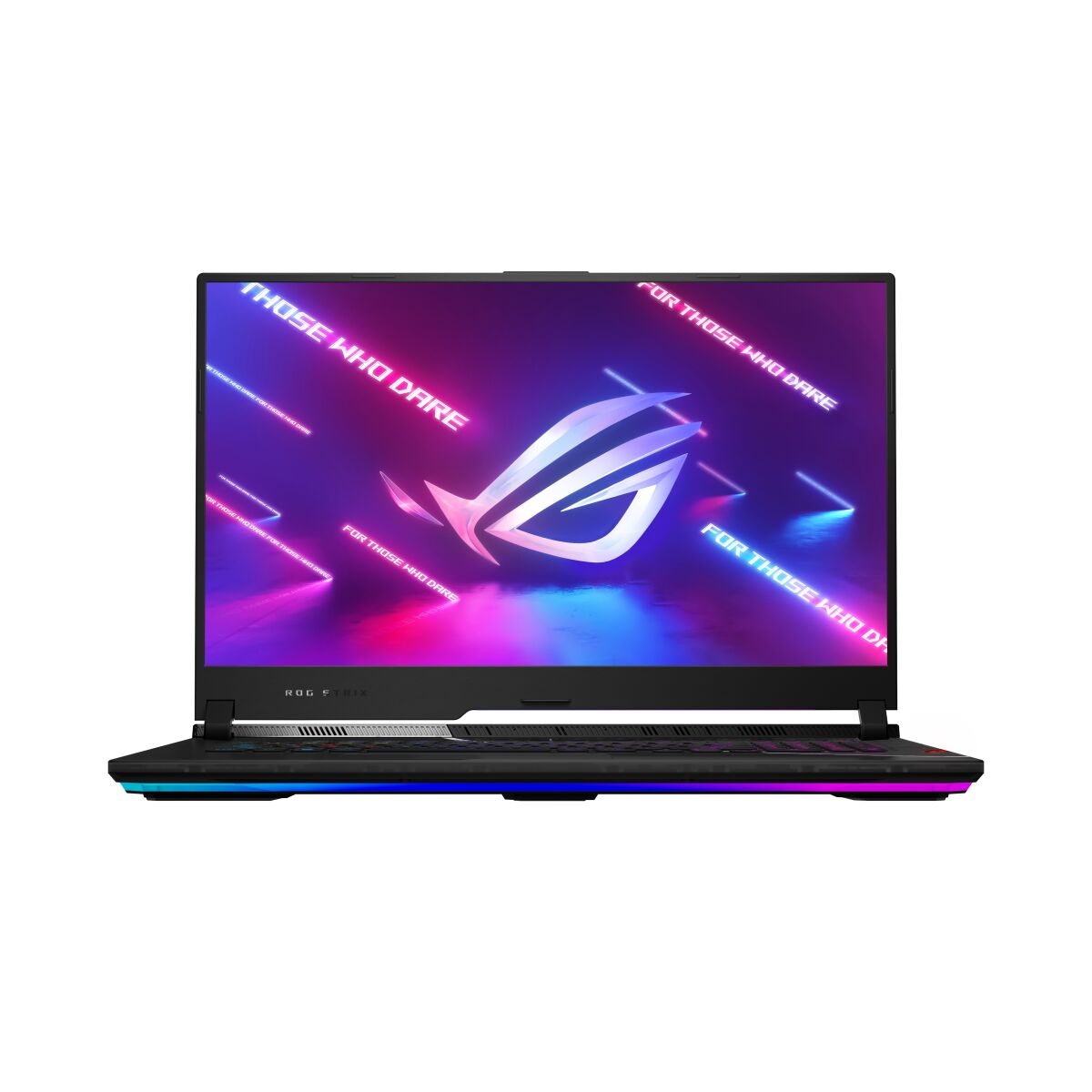
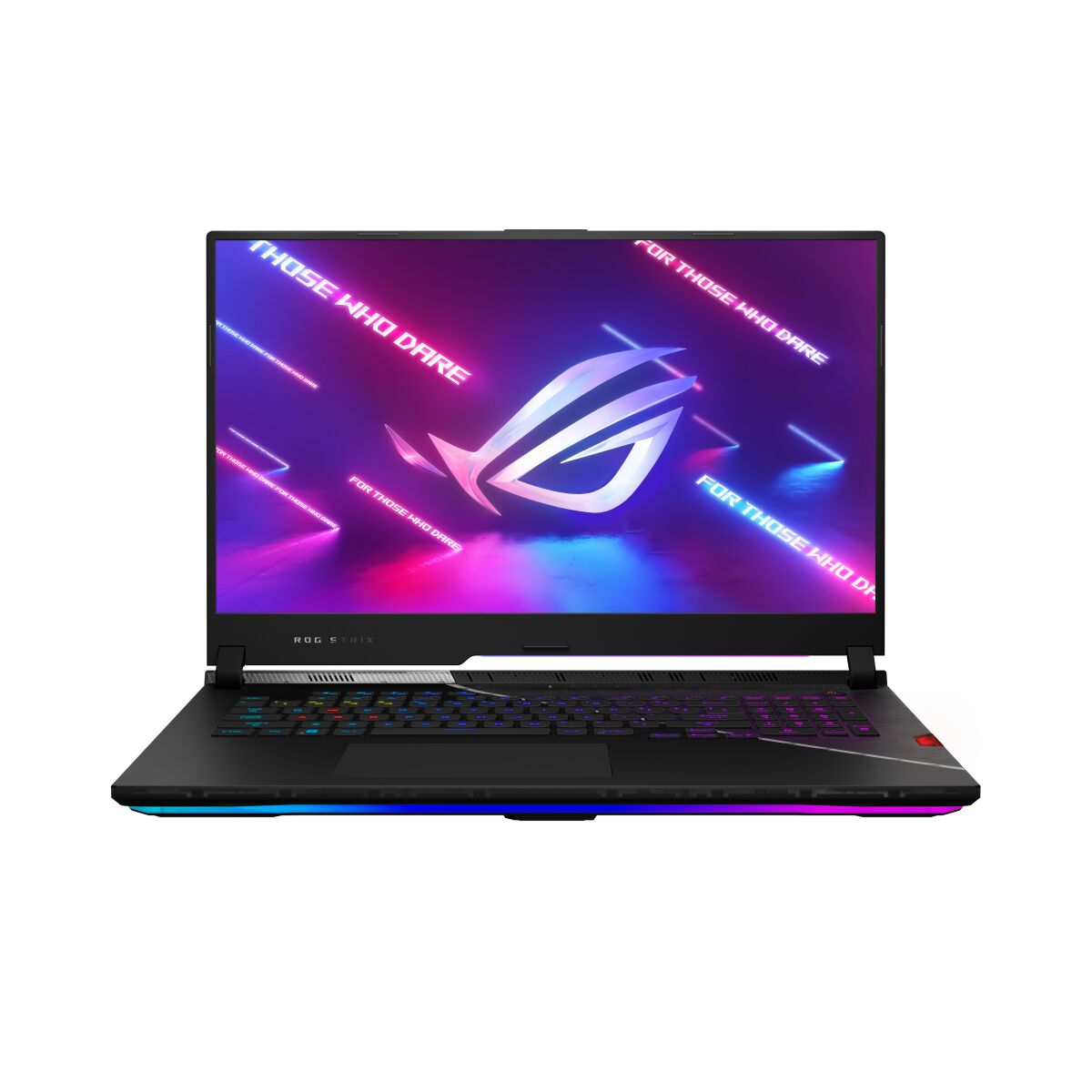
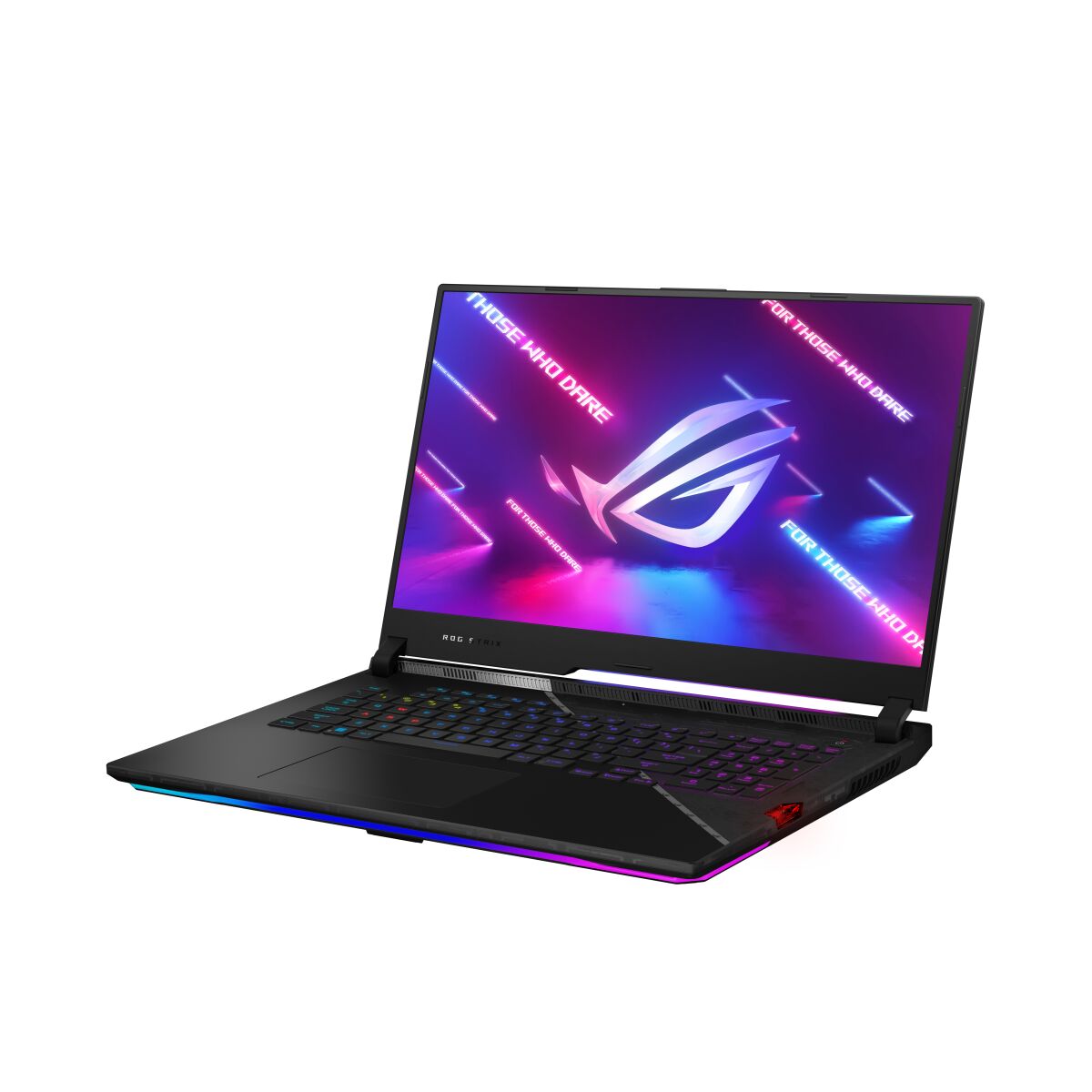
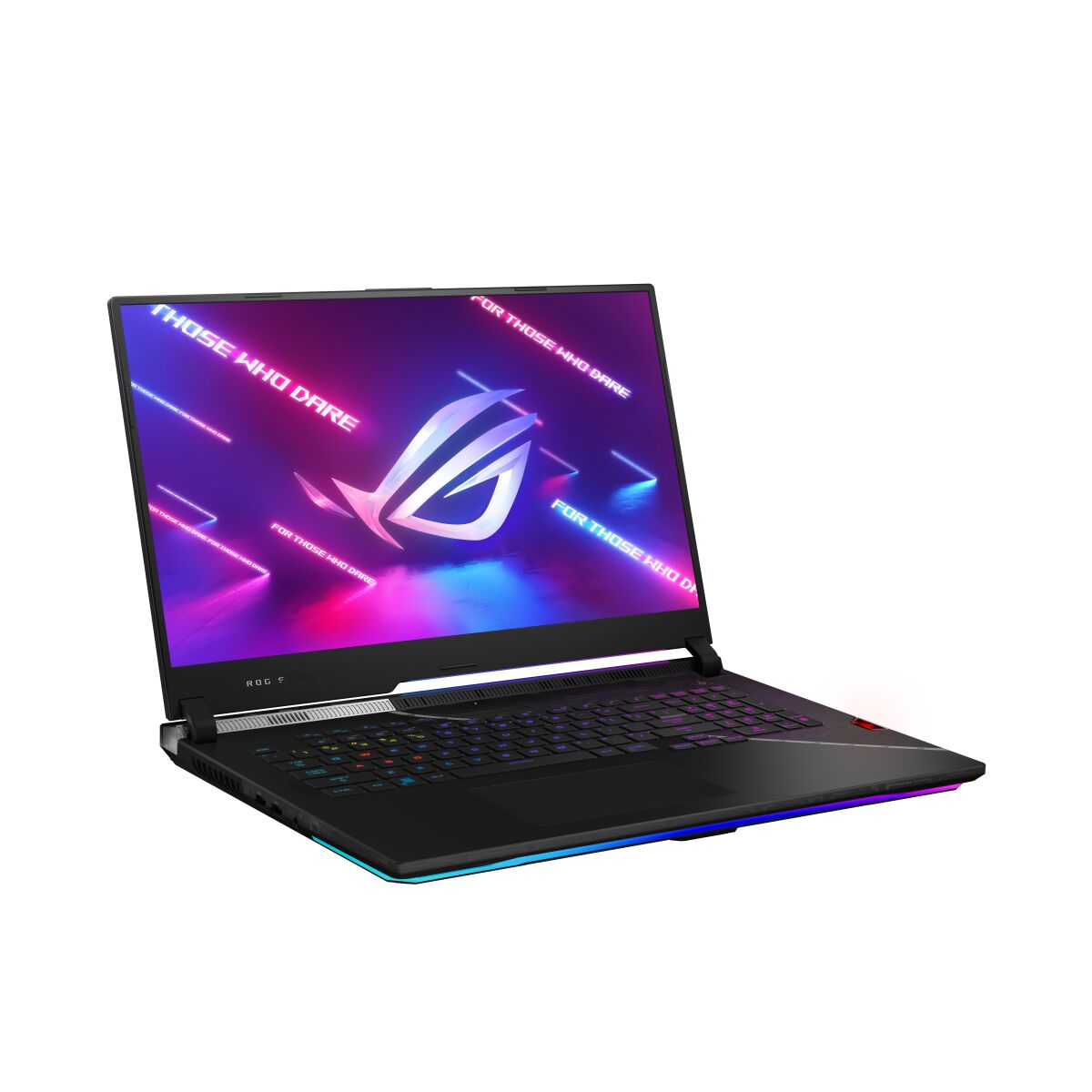
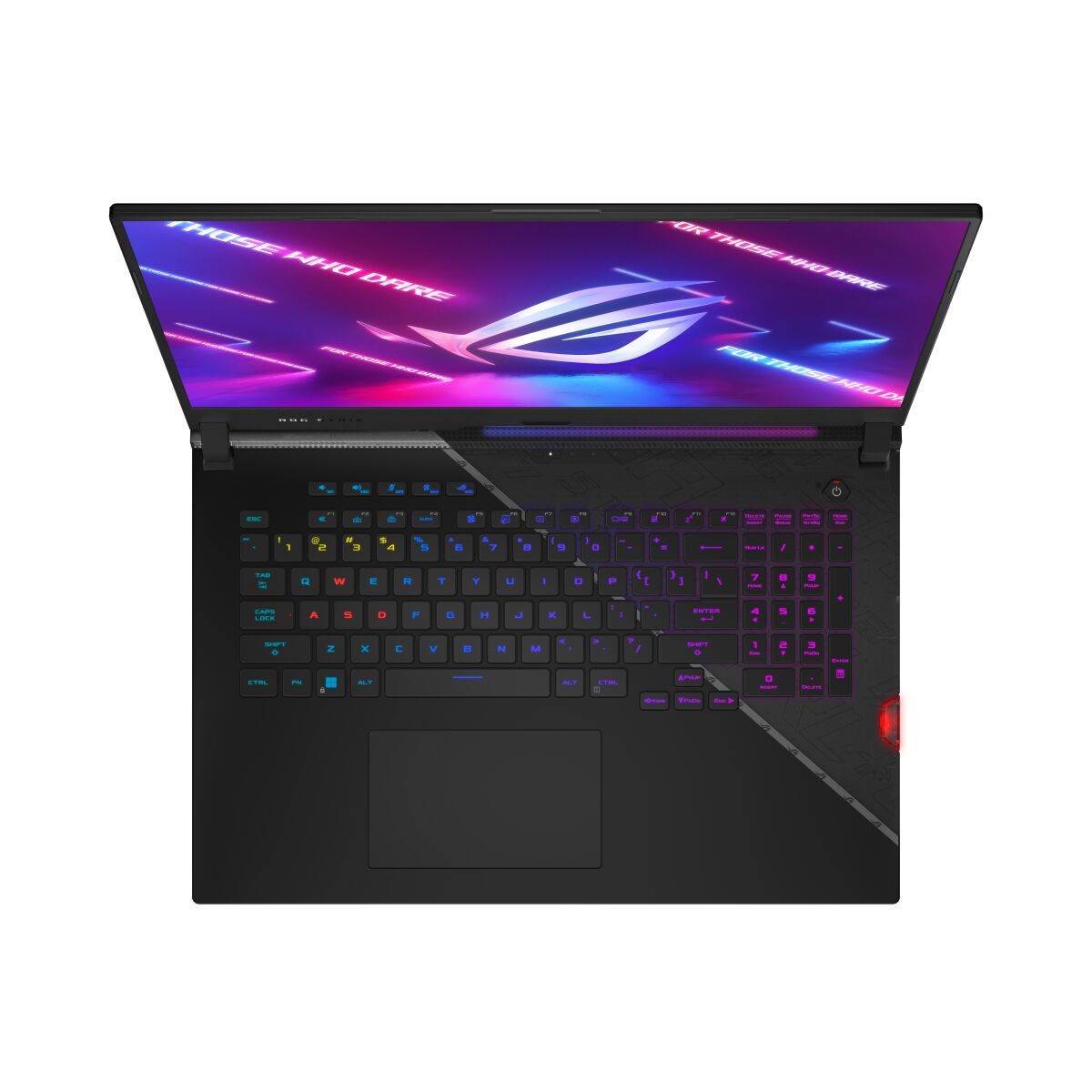
The ASUS ROG Strix SCAR 17 G733ZX-LL055W-BE features DDR5-SDRAM memory upgrade capabilities with 2x SO-DIMM slots supporting maximum capacity of 64 GB RAM. The laptop's memory specifications include DDR5-4800 MHz frequency. Upgrade options are compatible with SO-DIMM form factor modules. Specifications indicate expandable memory configuration for enhanced multitasking and performance demands.
Memory Upgrade Specifications
| Specification | Value |
|---|---|
| Memory slots | 2x SO-DIMM |
| Form factor | SO-DIMM |
| Memory type | DDR5-SDRAM |
| Frequency | 4800 MHz |
| Maximum RAM | 64 GB |
| Voltage | 1.1V |
| Number of pins | 262-pin |
| Interface | PC5 |
| PC Speed Rating | PC5-4800 (PC5-38400) |
| Bandwidth | 38.4 GB/s |
| Laptop Release date | 10 January 2022 |
Additional Notes
- The ASUS ROG G733ZX-LL055W-BE utilizes DDR5 SO-DIMM modules, which are physically incompatible with DDR4 or earlier generation memory due to different notch positions and pin configurations.
- The 2 slot configuration requires balanced population for dual-channel operation, meaning unequal capacity modules will force the system to operate in single-channel mode or asymmetric dual-channel with performance penalties.
- The 64 GB maximum capacity constraint suggests motherboard chipset limitations, meaning 4 individual 32 GB modules would exceed supported addressing even if physically installable.
- Operating at 4800 MHz represents JEDEC standard DDR5 speed rather than overclocked XMP/EXPO profiles, indicating the memory controller runs at conservative timings for thermal and stability considerations in mobile platforms.
- DDR5 SO-DIMM modules require 1.1V nominal voltage compared to DDR4's 1.2V, so mixing generation types would create electrical conflicts beyond the physical incompatibility.
- Accessing the SO-DIMM slots typically requires bottom panel removal, which may void warranty seals depending on regional consumer protection regulations and manufacturer policies.
- Higher frequency DDR5 modules rated above 4800 MHz will downclock to the supported frequency, potentially wasting cost premium without performance benefit unless the system supports overclocking profiles.
- The SO-DIMM form factor restricts cooling solutions compared to desktop DIMM modules, making high-capacity configurations more susceptible to thermal throttling during sustained memory-intensive workloads.
- Each occupied slot draws power from the same voltage regulation circuitry, so populating both slots increases thermal load on motherboard components even when using lower-capacity modules.
- DDR5's on-die ECC operates independently of system-level ECC support, providing basic error correction regardless of whether the platform advertises ECC functionality.