ASUS ROG G834JY-N6035W-Gaming RAM upgrade specifications
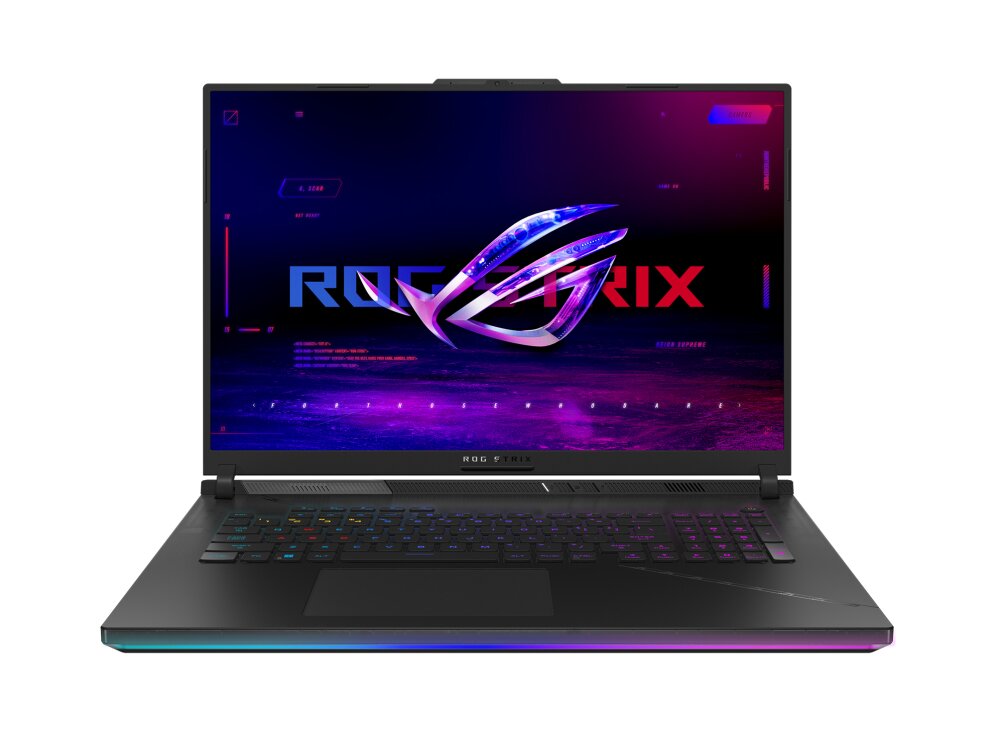
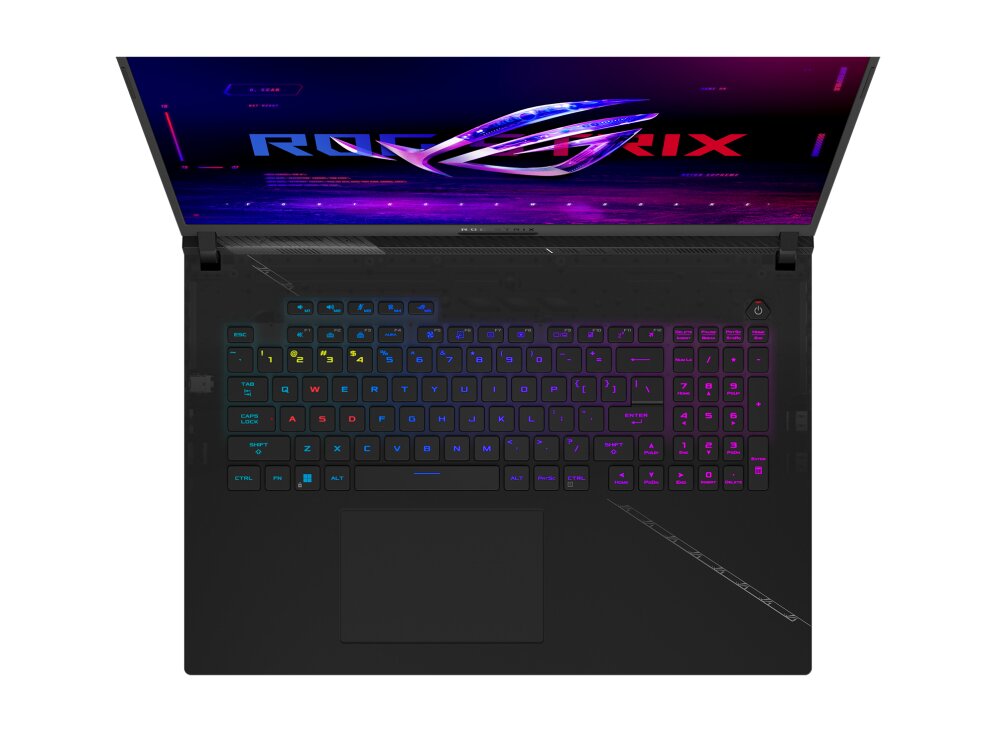
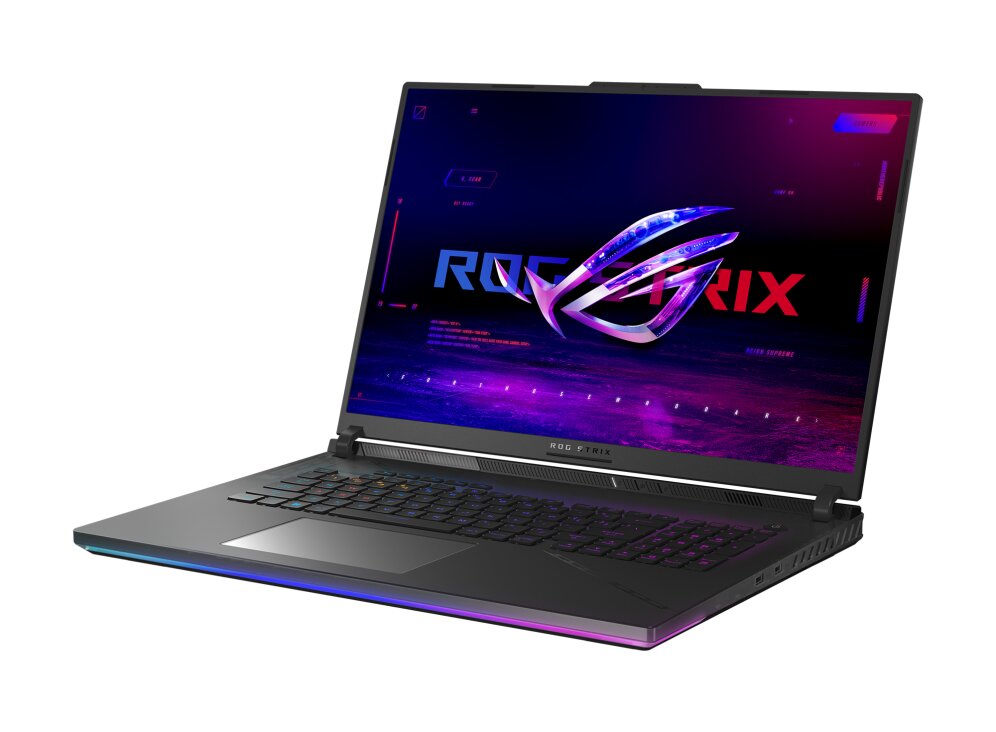
The ASUS ROG Strix SCAR 18 G834JY-N6035W-Gaming laptop features DDR5-SDRAM memory configuration with 2x SO-DIMM slots. Maximum RAM capacity reaches 64 GB for memory upgrade applications. Compatible memory operates at 4800 MHz frequency specifications. The SO-DIMM form factor provides upgrade specifications for this gaming laptop model. DDR5 memory technology delivers enhanced performance for the Strix SCAR 18 series architecture.
Memory Upgrade Specifications
| Specification | Value |
|---|---|
| Memory slots | 2x SO-DIMM |
| Form factor | SO-DIMM |
| Memory type | DDR5-SDRAM |
| Frequency | 4800 MHz |
| Maximum RAM | 64 GB |
| Voltage | 1.1V |
| Number of pins | 262-pin |
| Interface | PC5 |
| PC Speed Rating | PC5-4800 (PC5-38400) |
| Bandwidth | 38.4 GB/s |
Additional Notes
- DDR5 SO-DIMM modules operate at higher voltage (1.25V) than DDR4 predecessors, requiring verification that replacement modules meet JEDEC DDR5 specifications to prevent hardware damage during installation.
- The 4800 MHz frequency rating establishes a performance ceiling; modules rated above this speed will downclock to native 4800 MHz, making premium higher-frequency kits economically inefficient for this ASUS ROG G834JY-N6035W-Gaming platform.
- SO-DIMM slots in gaming laptops typically occupy confined spaces near the hinge or keyboard assembly; thermal management around upgraded modules may be compromised if heatspreaders exceed standard height profiles, potentially affecting sustained gaming performance during extended sessions.
- Upgrading from factory configuration to 64 GB maximum requires both slots populated; single-slot configurations operate in single-channel mode, reducing memory bandwidth by approximately 50 percent and creating a performance bottleneck for CPU-intensive gaming workloads.
- DDR5 SO-DIMM availability remains constrained compared to DDR4; sourcing matched pairs from identical manufacturers and production batches reduces compatibility risk and warranty complications during the upgrade window.
- The 2-slot architecture provides no upgrade flexibility beyond the 64 GB ceiling; future memory expansion is physically impossible, making initial upgrade decisions permanent for the device lifecycle.
- Factory RAM typically carries soldered capacitors for voltage regulation specific to the original modules; aftermarket DDR5 SO-DIMMs may exhibit incompatibility with power delivery circuits if they deviate from JEDEC tolerances, requiring testing before warranty-voiding modifications.