ASUS ROG G834JY-N6035X RAM upgrade specifications

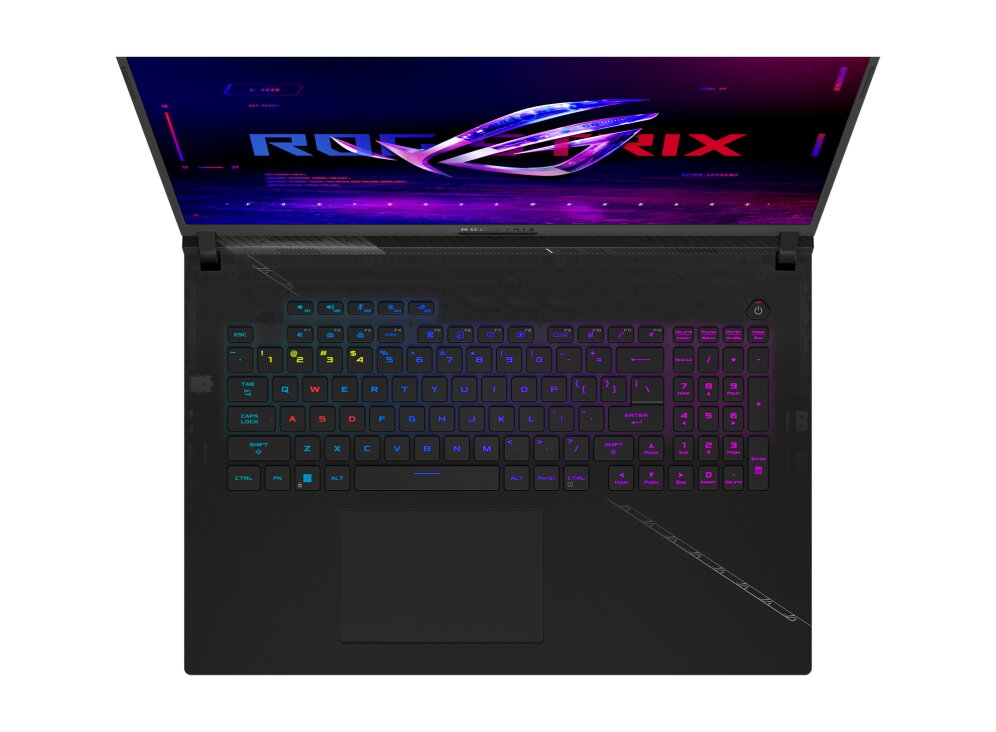



The ASUS ROG Strix SCAR 18 G834JY-N6035X features DDR5-SDRAM memory upgrade specifications with two SO-DIMM slots supporting maximum capacity of 64 GB RAM. Compatible memory operates at 4800 MHz frequency. Upgrade specifications indicate DDR5 SO-DIMM form factor compatibility. Maximum memory configuration accommodates 64 GB total capacity across both available slots. Memory upgrade slots enable modular expansion of system RAM on the G834JY-N6035X model. Specifications denote DDR5-4800 MHz memory compatibility for the ASUS ROG Strix SCAR 18 series.
Memory Upgrade Specifications
| Specification | Value |
|---|---|
| Memory slots | 2x SO-DIMM |
| Form factor | SO-DIMM |
| Memory type | DDR5-SDRAM |
| Frequency | 4800 MHz |
| Maximum RAM | 64 GB |
| Voltage | 1.1V |
| Number of pins | 262-pin |
| Interface | PC5 |
| PC Speed Rating | PC5-4800 (PC5-38400) |
| Bandwidth | 38.4 GB/s |
Additional Notes
- The ASUS ROG G834JY-N6035X uses DDR5 SO-DIMM slots, which are physically incompatible with DDR4 modules; any upgrade must use DDR5-rated SO-DIMM sticks to avoid hardware damage.
- The 4800 MHz frequency specification indicates native JEDEC support; modules rated above 4800 MHz will require manual BIOS overclocking to operate at their rated speeds, with no guarantee of stability.
- With 2 slots and a 64 GB maximum capacity ceiling, the upgrade path is limited to single-step transitions (pairing matched pairs); unequal capacity configurations risk triggering dual-channel mode degradation.
- SO-DIMM form factor constraints mean standard desktop DDR5 modules cannot be used as substitutes; laptop-specific memory sourcing is mandatory for compatibility.
- Installing memory beyond factory specifications may void the manufacturer warranty; validation against ASUS's qualified vendor list protects coverage eligibility.
- The 2-slot architecture creates a latency bottleneck if only one module is populated; single-stick configurations disable dual-channel operation and reduce effective bandwidth by approximately 50 percent.