ASUS ROG G834JY-N6040W RAM upgrade specifications

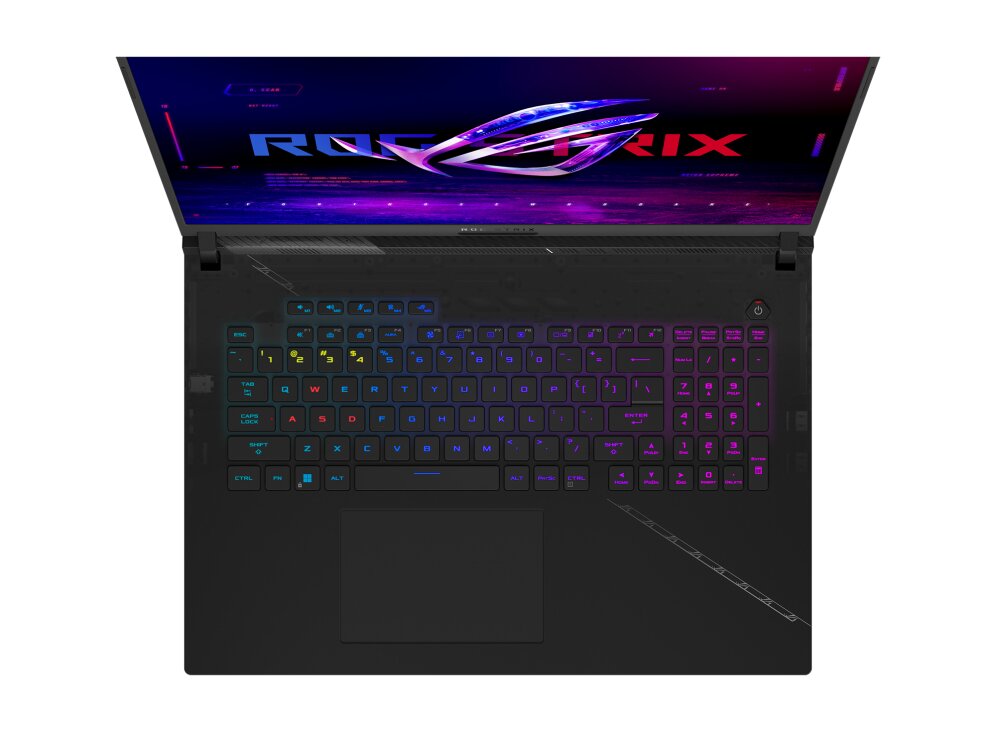



ASUS ROG Strix SCAR 18 G834JY-N6040W laptop features two SO-DIMM slots supporting DDR5-SDRAM memory upgrades. Maximum RAM capacity reaches 64 GB with compatible modules operating at 4800 MHz frequency. Specifications indicate this gaming system accepts DDR5 memory upgrades in SO-DIMM form factor for enhanced multitasking and performance capabilities.
Memory Upgrade Specifications
| Specification | Value |
|---|---|
| Memory slots | 2x SO-DIMM |
| Form factor | SO-DIMM |
| Memory type | DDR5-SDRAM |
| Frequency | 4800 MHz |
| Maximum RAM | 64 GB |
| Voltage | 1.1V |
| Number of pins | 262-pin |
| Interface | PC5 |
| PC Speed Rating | PC5-4800 (PC5-38400) |
| Bandwidth | 38.4 GB/s |
| Laptop Release date | 10 June 2023 |
Additional Notes
- The ASUS ROG G834JY-N6040W memory controller supports DDR5 modules operating at speeds up to 4800 MHz, meaning higher-frequency modules will downclock to this baseline, eliminating potential performance gains from premium-priced faster kits.
- DDR5 SO-DIMM modules require 1.1V operating voltage, representing a non-negotiable electrical specification that prevents backward compatibility with DDR4 modules due to physical notch repositioning and signaling architecture differences.
- The 64 GB maximum capacity constraint requires dual-channel population with 32 GB modules to reach this ceiling, as single 64 GB SO-DIMM modules exceed the platform's per-slot addressing limits.
- Both SO-DIMM slots must remain accessible without motherboard removal for warranty-compliant upgrades, though chassis disassembly procedures vary between bottom panel access designs and full keyboard deck removal requirements.
- DDR5's on-die ECC capability operates independently of user configuration, providing background error correction without BIOS intervention, unlike traditional server-grade ECC that requires chipset-level support.
- Dual-channel memory architecture necessitates matched module pairs to avoid asymmetric configurations that trigger fallback to single-channel mode, effectively halving memory bandwidth during GPU-intensive workloads.
- The 4800 MHz base frequency establishes minimum bandwidth at 76.8 GB/s in dual-channel configuration, which directly impacts integrated memory controller performance during simultaneous CPU and GPU memory operations.
- SO-DIMM thermal design relies on laptop chassis airflow rather than dedicated module heatspreaders, making sustained memory-intensive operations dependent on cooling system effectiveness under combined CPU and GPU thermal loads.
- JEDEC-standard DDR5-4800 modules guarantee compatibility without XMP/EXPO profile dependencies, whereas overclocked kits may require BIOS support that consumer laptop platforms typically omit from firmware implementations.
- The 2-slot configuration limits upgrade paths to complete module replacement rather than incremental capacity additions, requiring resale or repurposing of original modules when expanding beyond factory-installed configurations.