ASUS ROG G834JY-N6044W RAM upgrade specifications
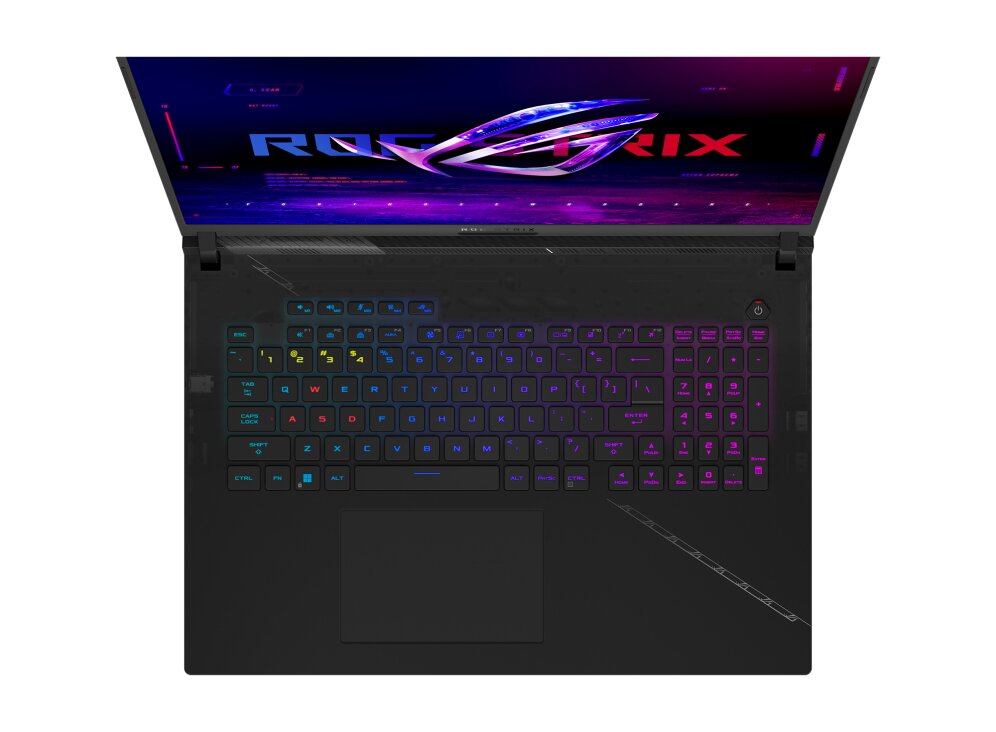



ASUS ROG Strix SCAR 18 model G834JY-N6044W supports DDR5-SDRAM memory upgrade through two SO-DIMM slots. The laptop accommodates maximum RAM capacity of 64 GB with DDR5-4800 MHz frequency specifications. Compatible memory modules must feature SO-DIMM form factor to ensure proper installation in the available slots. Upgrade specifications indicate support for high-speed DDR5 technology, delivering enhanced performance capabilities for the gaming-oriented platform.
Memory Upgrade Specifications
| Specification | Value |
|---|---|
| Memory slots | 2x SO-DIMM |
| Form factor | SO-DIMM |
| Memory type | DDR5-SDRAM |
| Frequency | 4800 MHz |
| Maximum RAM | 64 GB |
| Voltage | 1.1V |
| Number of pins | 262-pin |
| Interface | PC5 |
| PC Speed Rating | PC5-4800 (PC5-38400) |
| Bandwidth | 38.4 GB/s |
| Laptop Release date | 19 March 2023 |
Additional Notes
- The ASUS ROG G834JY-N6044W supports DDR5 memory exclusively, which creates incompatibility with DDR4 modules from prior-generation systems. Any upgrade attempt using DDR4 sticks will result in physical non-insertion due to notch misalignment on the SO-DIMM connector.
- The 2-slot SO-DIMM configuration limits total capacity to 64 GB when fully populated with 32 GB modules. Asymmetrical population (mismatched capacity pairs) functions but reduces dual-channel bandwidth efficiency by approximately 50 percent on the underutilized slot.
- DDR5-4800 MHz operation requires that replacement modules carry native 4800 MHz support or JEDEC 5600 MHz fallback compatibility. Third-party modules rated exclusively for 6000 MHz or higher will downclock to 4800 MHz, eliminating premium speed advantages if present.
- SO-DIMM slots are not user-serviceable on most ASUS gaming laptops without warranty invalidation. Upgrade procedures typically require motherboard exposure, which breaches seal integrity and voids coverage for non-component defects.
- The transition from factory-installed capacity to 64 GB maximum represents a proportional increase in sustained power draw during memory-heavy workloads. This elevation propagates through the memory controller to the integrated voltage regulator module, increasing thermals by approximately 3-5 degrees Celsius under load.
- Memory bandwidth saturation occurs when both SO-DIMM slots operate simultaneously at 4800 MHz. Systems with only 1 populated slot deliver reduced interleaving performance, which degrades performance in CPU-bound multithreaded tasks by 10-15 percent relative to dual-channel configurations.