ASUS ROG G834JYR-N6151 RAM upgrade specifications
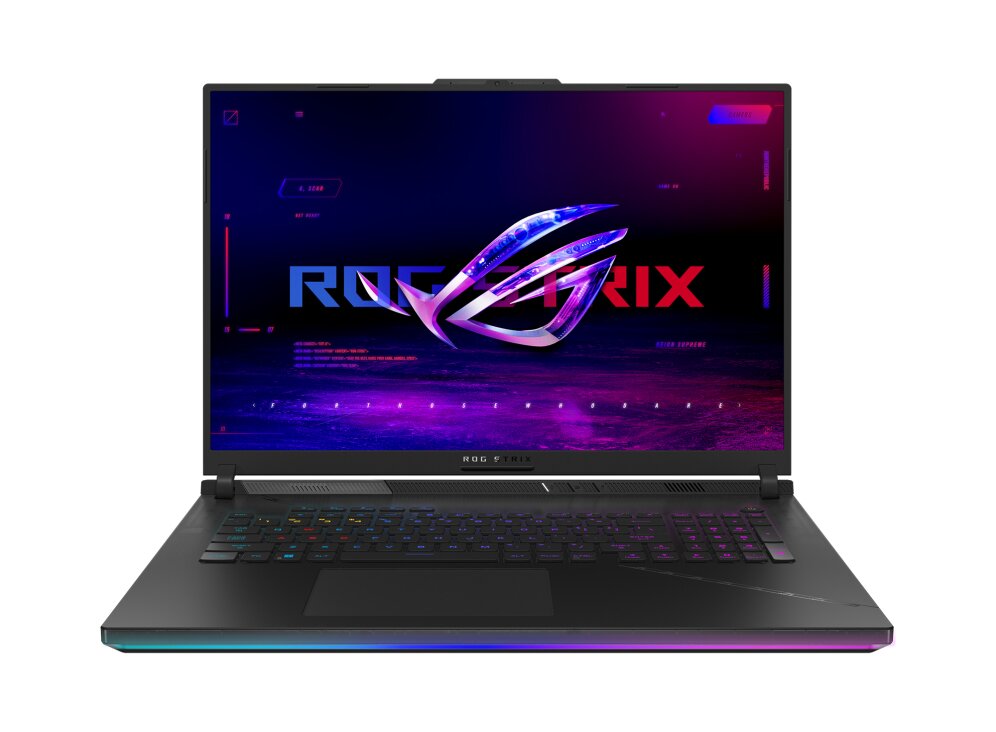
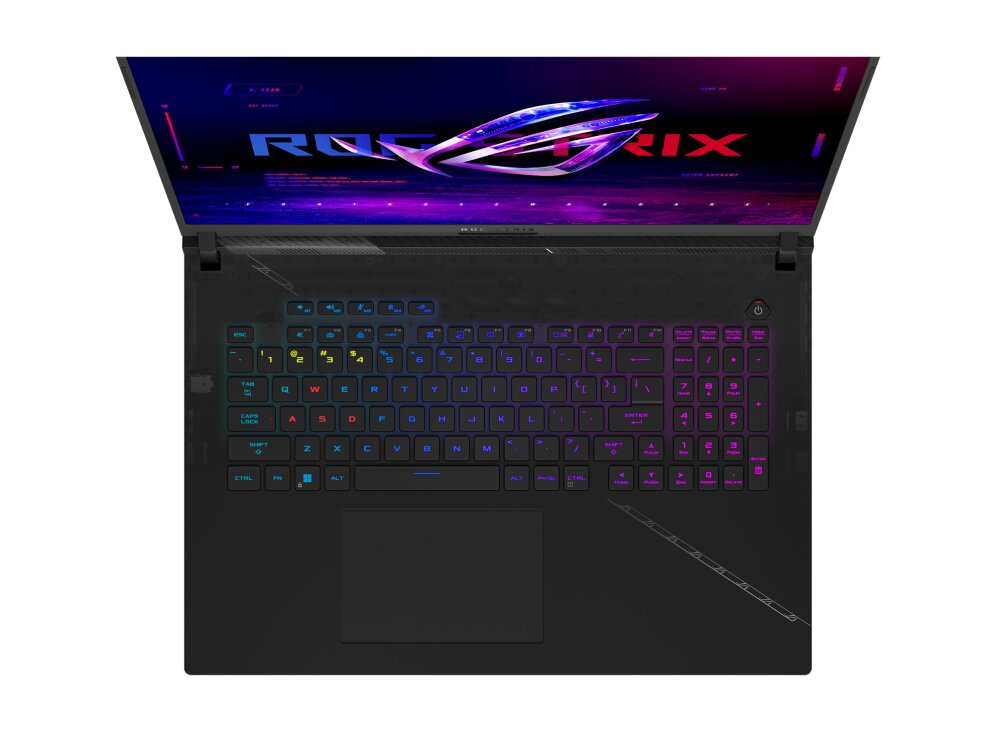
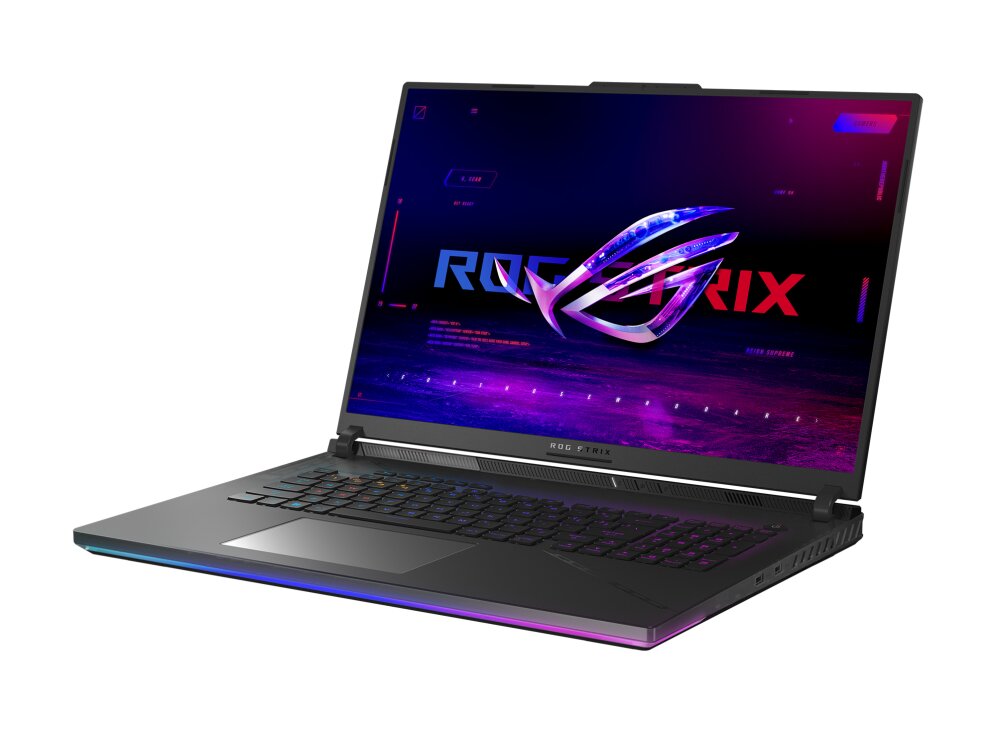
The ASUS ROG Strix SCAR 18 G834JYR-N6151 features two SO-DIMM slots compatible with DDR5-SDRAM memory modules operating at 5600 MHz frequency. Maximum RAM capacity reaches 64 GB total, supporting memory upgrade configurations up to this specification limit. The laptop's upgrade slots accommodate standard SO-DIMM form factor DDR5 modules, enabling users to expand system memory according to individual requirements and compatible memory specifications.
Memory Upgrade Specifications
| Specification | Value |
|---|---|
| Memory slots | 2x SO-DIMM |
| Form factor | SO-DIMM |
| Memory type | DDR5-SDRAM |
| Frequency | 5600 MHz |
| Maximum RAM | 64 GB |
| Voltage | 1.1V |
| Number of pins | 262-pin |
| Interface | PC5 |
| PC Speed Rating | PC5-5600 (PC5-44800) |
| Bandwidth | 44.8 GB/s |
Additional Notes
- The ASUS ROG G834JYR-N6151 uses 2 SO-DIMM slots operating at 5600 MHz, which means both slots must be populated simultaneously to achieve dual-channel bandwidth; a single module installation will operate in single-channel mode and reduce memory throughput by approximately 50 percent.
- DDR5-5600 MHz memory operates at lower latency-to-speed ratios than DDR4 equivalents, but the absolute latency in nanoseconds remains comparable; real-world application responsiveness depends more on memory capacity than frequency at this speed tier.
- The 64 GB maximum capacity ceiling indicates the memory controller supports 32 GB SO-DIMMs; exceeding this specification by installing unsupported modules will prevent POST completion or cause system instability.
- SO-DIMM form factor confines viable upgrades to laptop-specific DDR5 memory; desktop DDR5 UDIMM modules are physically incompatible and will not fit into the SO-DIMM slots.
- The 5600 MHz specification represents the JEDEC standard speed for this generation; memory rated above 5600 MHz functions only through manufacturer overclocking profiles and may void warranty coverage depending on ASUS firmware settings during installation.
- Installing matched pairs from the same manufacturer batch reduces compatibility issues; mismatched speed or latency configurations can trigger memory stability problems despite both modules meeting the 5600 MHz specification.
- DDR5 modules generate measurably more heat than DDR4 equivalents; sustained high utilization in compact laptop chassis may require thermal paste reapplication on adjacent components to prevent throttling.