ASUS ROG G834JYR-R6019W-GAMING RAM upgrade specifications

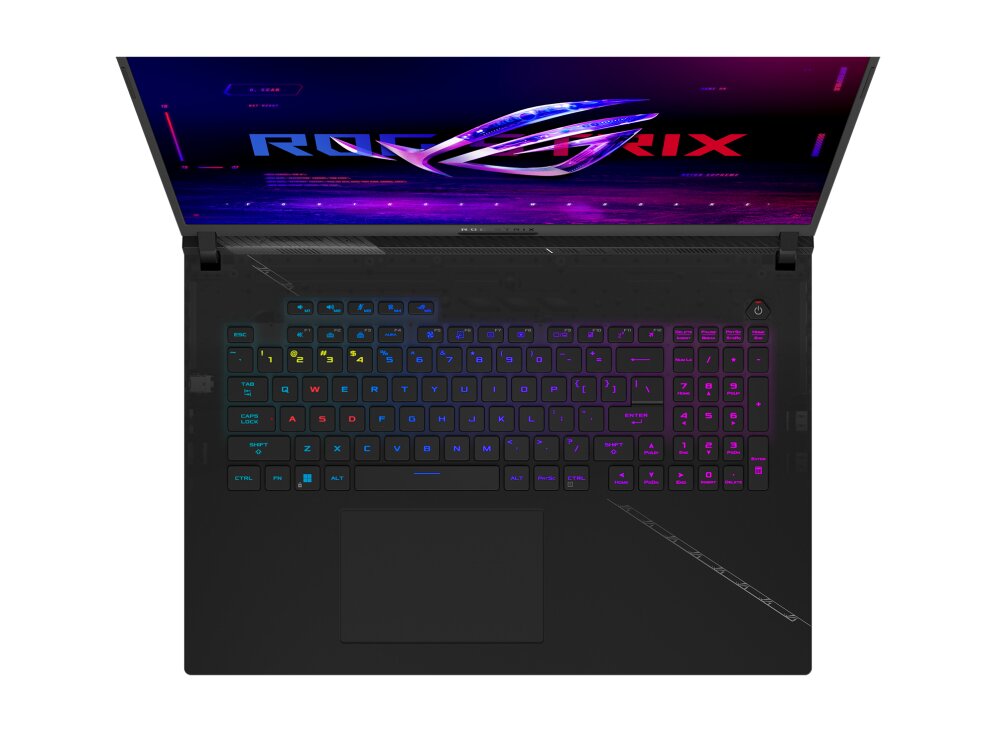



ASUS ROG Strix SCAR 18 G834JYR-R6019W-GAMING laptop memory upgrade specifications include DDR5-SDRAM compatible RAM modules. The system features two SO-DIMM slots supporting a maximum RAM capacity of 64 GB total. Memory modules operate at 5600 MHz frequency. Compatible DDR5 SO-DIMM upgrades enable expansion beyond factory-installed configurations. Specifications indicate SO-DIMM form factor compatibility for memory module installation and capacity upgrades.
Memory Upgrade Specifications
| Specification | Value |
|---|---|
| Memory slots | 2x SO-DIMM |
| Form factor | SO-DIMM |
| Memory type | DDR5-SDRAM |
| Frequency | 5600 MHz |
| Maximum RAM | 64 GB |
| Voltage | 1.1V |
| Number of pins | 262-pin |
| Interface | PC5 |
| PC Speed Rating | PC5-5600 (PC5-44800) |
| Bandwidth | 44.8 GB/s |
Additional Notes
- The ASUS ROG G834JYR-R6019W-GAMING supports DDR5 exclusively, preventing the use of any DDR4 modules due to incompatible pin configurations and voltage requirements.
- Each SO-DIMM slot accepts a maximum of 32 GB, limiting configurations to either dual-channel 32 GB (2x16 GB) or dual-channel 64 GB (2x32 GB) setups.
- Operating both modules at 5600 MHz requires identical frequency ratings across both slots to avoid automatic downclocking to the lower module's speed.
- Mixing module capacities, such as pairing 16 GB with 32 GB, disables symmetric dual-channel mode and forces asymmetric or flex mode operation, reducing memory bandwidth efficiency.
- Non-matching CAS latencies between modules can trigger stability issues or force the memory controller to adopt conservative timing profiles, impacting peak throughput.
- DDR5 SO-DIMM modules operating above JEDEC standard speeds (4800 MHz base) require XMP 3.0 or EXPO profile support in BIOS to sustain the 5600 MHz specification.
- Thermal constraints in compact laptop chassis may throttle DDR5 modules under sustained workloads, as DDR5 generates more heat than DDR4 equivalents at equivalent speeds.
- Replacing factory-installed memory typically preserves warranty coverage, unlike soldered configurations, as SO-DIMM slots represent user-accessible upgrade points.
- Installing unbuffered (non-ECC) consumer-grade SO-DIMMs remains the only viable option, as ECC or registered modules are incompatible with standard mobile platforms.
- Achieving 64 GB capacity eliminates future expansion headroom, as both available slots reach maximum occupancy with no reserve for incremental upgrades.