ASUS ROG G834JZ-N6004W RAM upgrade specifications
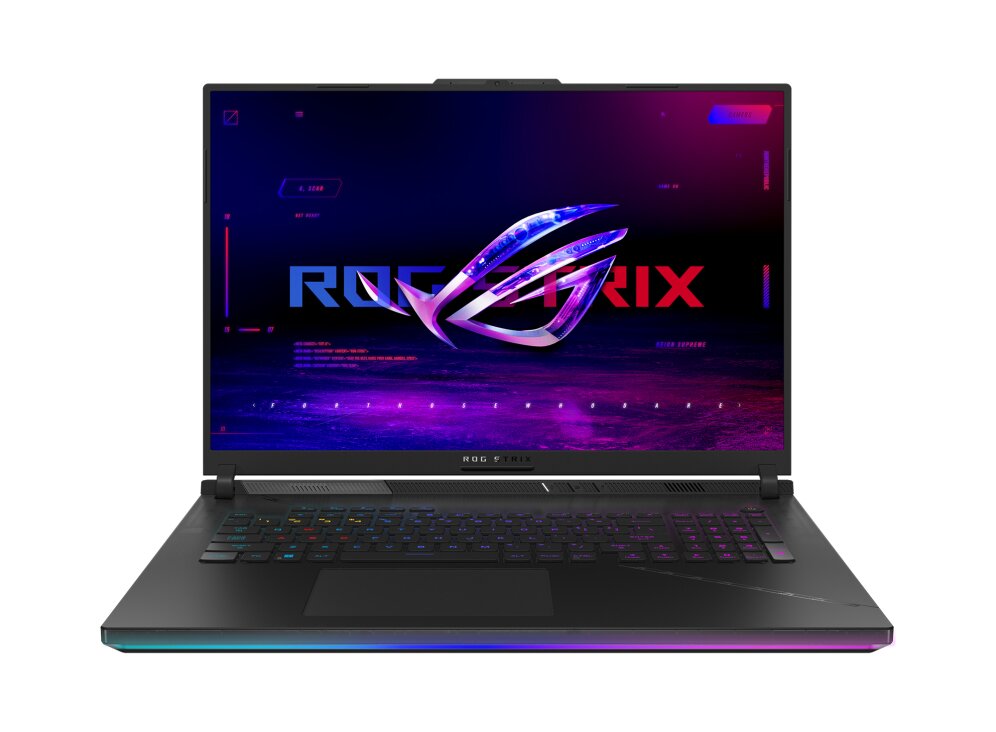
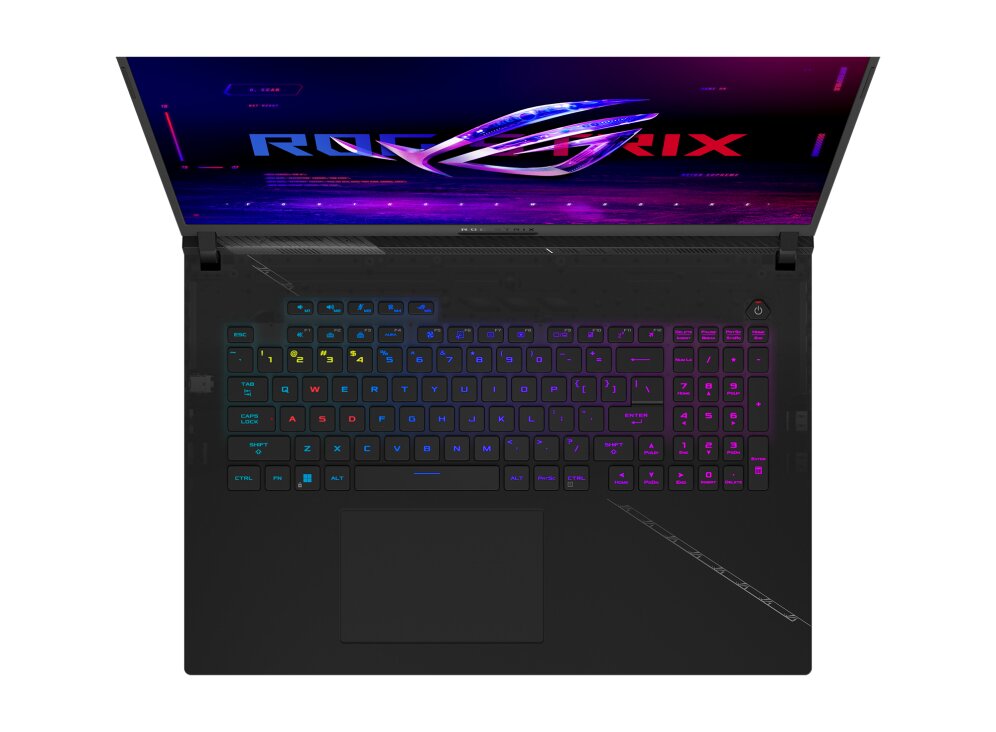
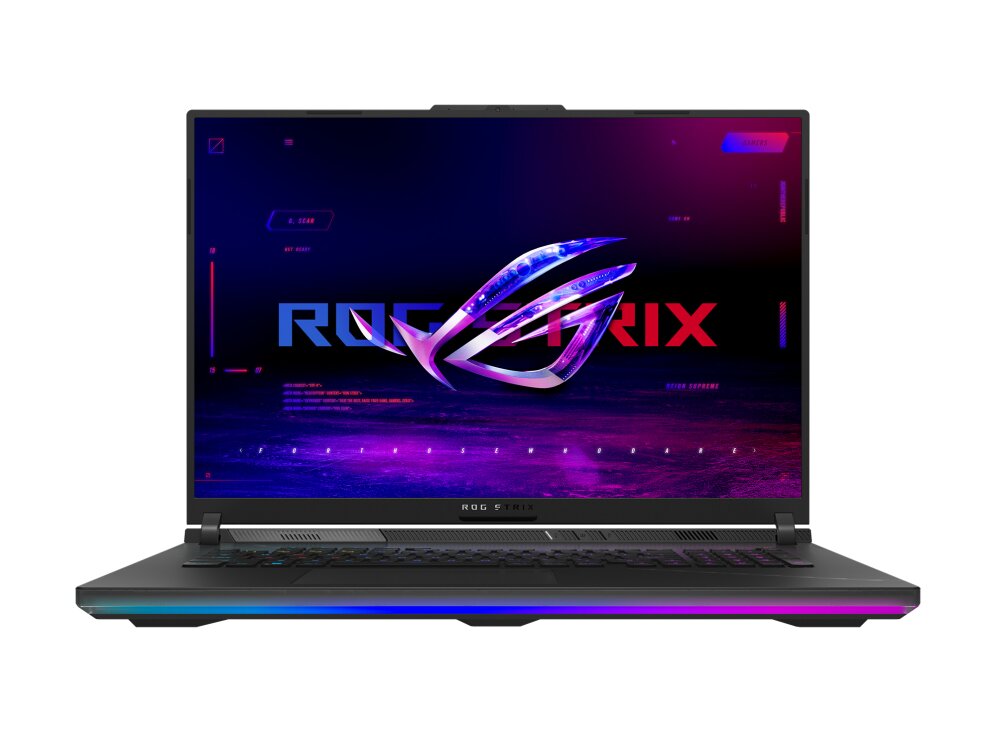
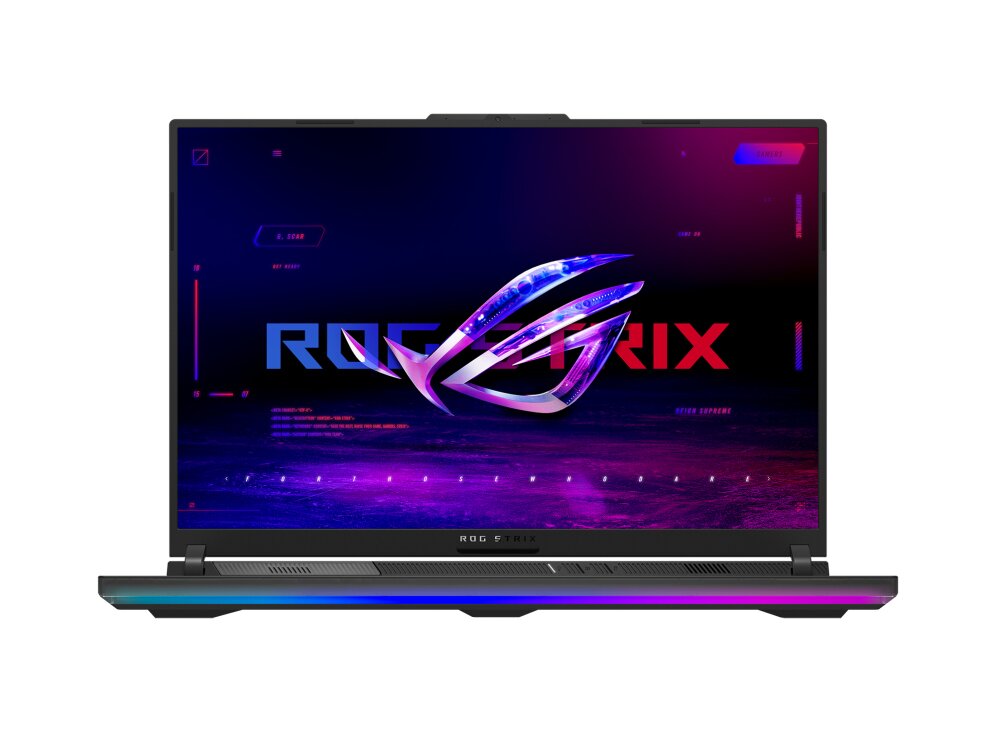
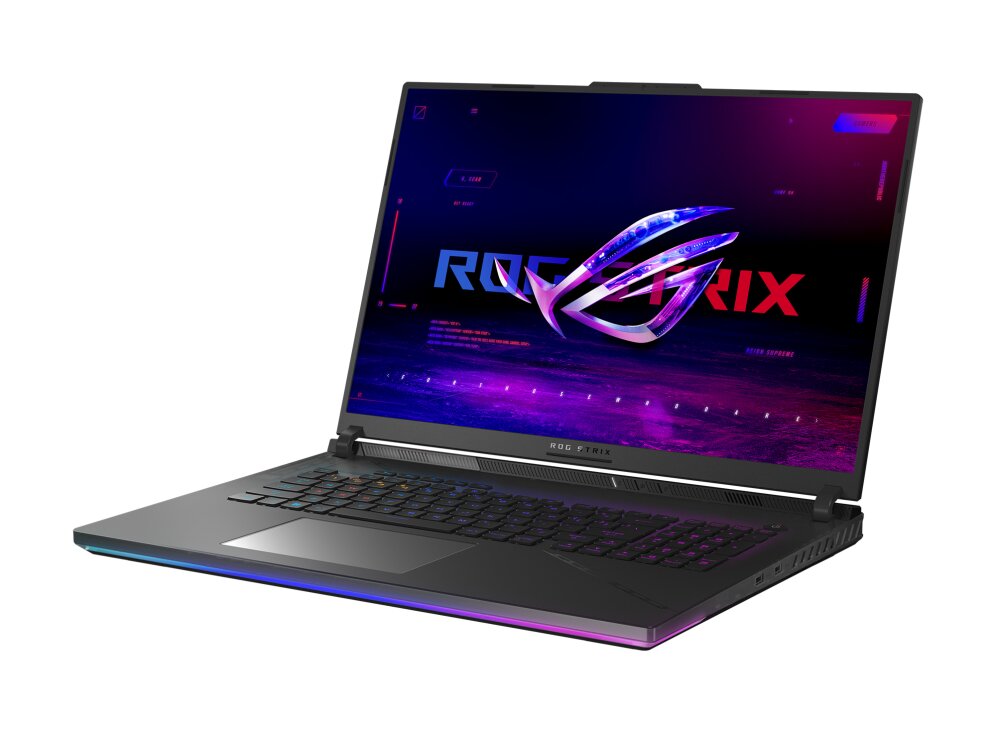
ASUS ROG Strix SCAR 18 G834JZ-N6004W features DDR5-SDRAM memory with 2x SO-DIMM slots supporting maximum capacity of 64 GB. The laptop specifications include DDR5-4800 MHz compatible memory modules in SO-DIMM form factor. RAM upgrade options enable expansion from factory configuration to 64 GB maximum capacity. Compatible memory specifications require DDR5-SDRAM modules meeting notebook SO-DIMM standards for this gaming laptop model.
Memory Upgrade Specifications
| Specification | Value |
|---|---|
| Memory slots | 2x SO-DIMM |
| Form factor | SO-DIMM |
| Memory type | DDR5-SDRAM |
| Frequency | 4800 MHz |
| Maximum RAM | 64 GB |
| Voltage | 1.1V |
| Number of pins | 262-pin |
| Interface | PC5 |
| PC Speed Rating | PC5-4800 (PC5-38400) |
| Bandwidth | 38.4 GB/s |
| Laptop Release date | 30 January 2023 |
Additional Notes
- The ASUS ROG G834JZ-N6004W accepts only DDR5 modules, making DDR4 sticks physically and electrically incompatible due to different notch positions and voltage requirements.
- The 4800 MHz frequency represents the JEDEC baseline for DDR5, meaning faster rated modules will downclock to this speed unless XMP/EXPO profiles receive motherboard support.
- SO-DIMM form factor limits module availability compared to desktop DIMM alternatives, particularly for specialized low-latency or RGB-equipped variants.
- Dual-channel architecture requires matched pairs for optimal bandwidth, with asymmetric configurations forcing single-channel operation and halving theoretical throughput.
- The 64 GB ceiling necessitates 2x32 GB modules to reach maximum capacity, as 4 slots would otherwise permit 128 GB with quad-module configurations.
- Rank configuration affects stability at higher capacities, where dual-rank 32 GB modules may introduce greater signal integrity challenges than single-rank equivalents at 4800 MHz.
- Warranty preservation typically requires avoiding physical damage to retention clips during module installation, as bent contacts void coverage even without component failure.
- ECC unbuffered SO-DIMMs remain incompatible despite sharing DDR5 specifications, as consumer chipsets lack error correction logic required for these enterprise modules.
- Power delivery constraints at 4800 MHz reduce thermal overhead compared to overclocked configurations, maintaining voltage regulation within SO-DIMM's compact PCB tolerances.
- Mixed-capacity installations function but sacrifice flex mode benefits, forcing the controller to operate at the lowest common denominator for interleaving.