ASUS ROG G834JZ-N6006W RAM upgrade specifications
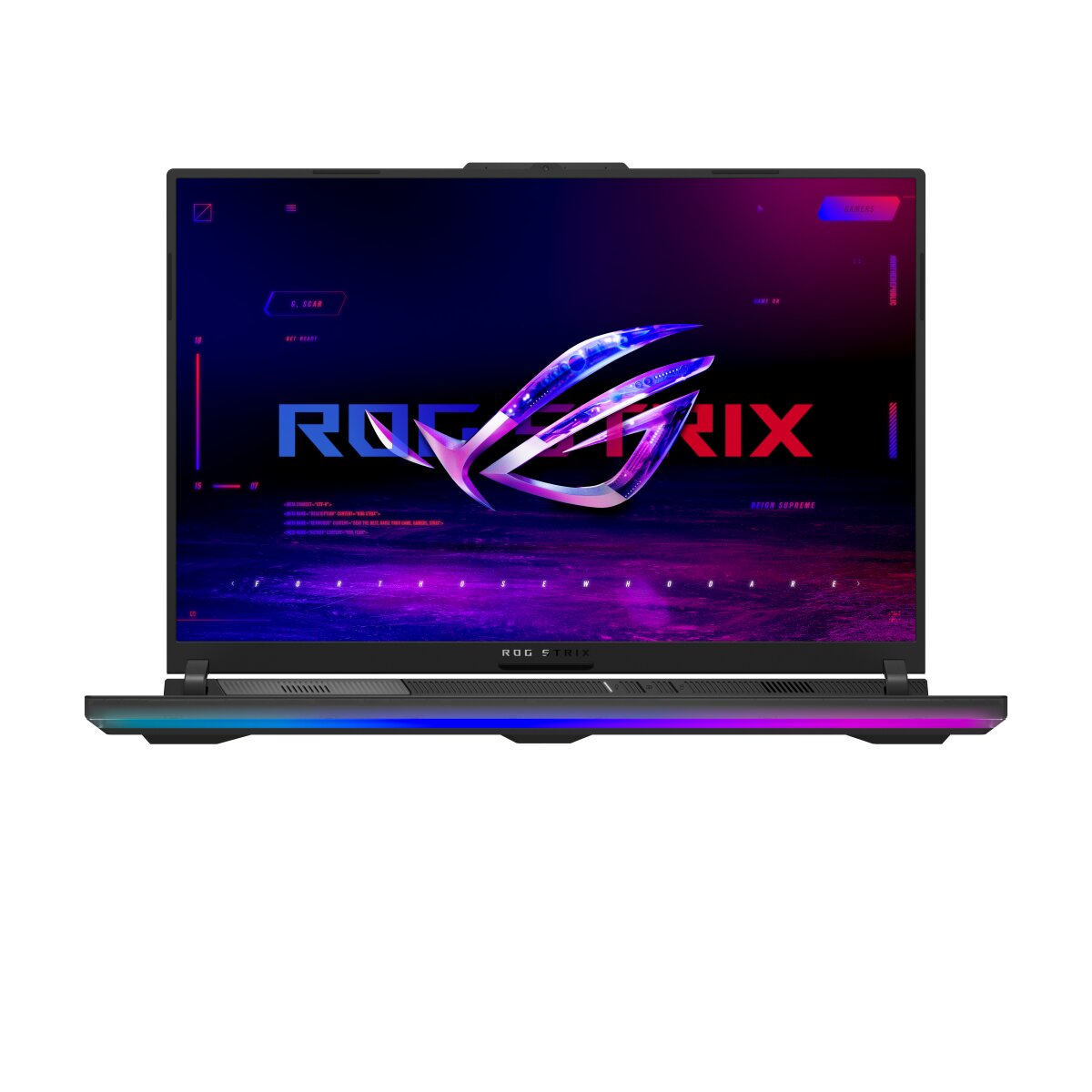



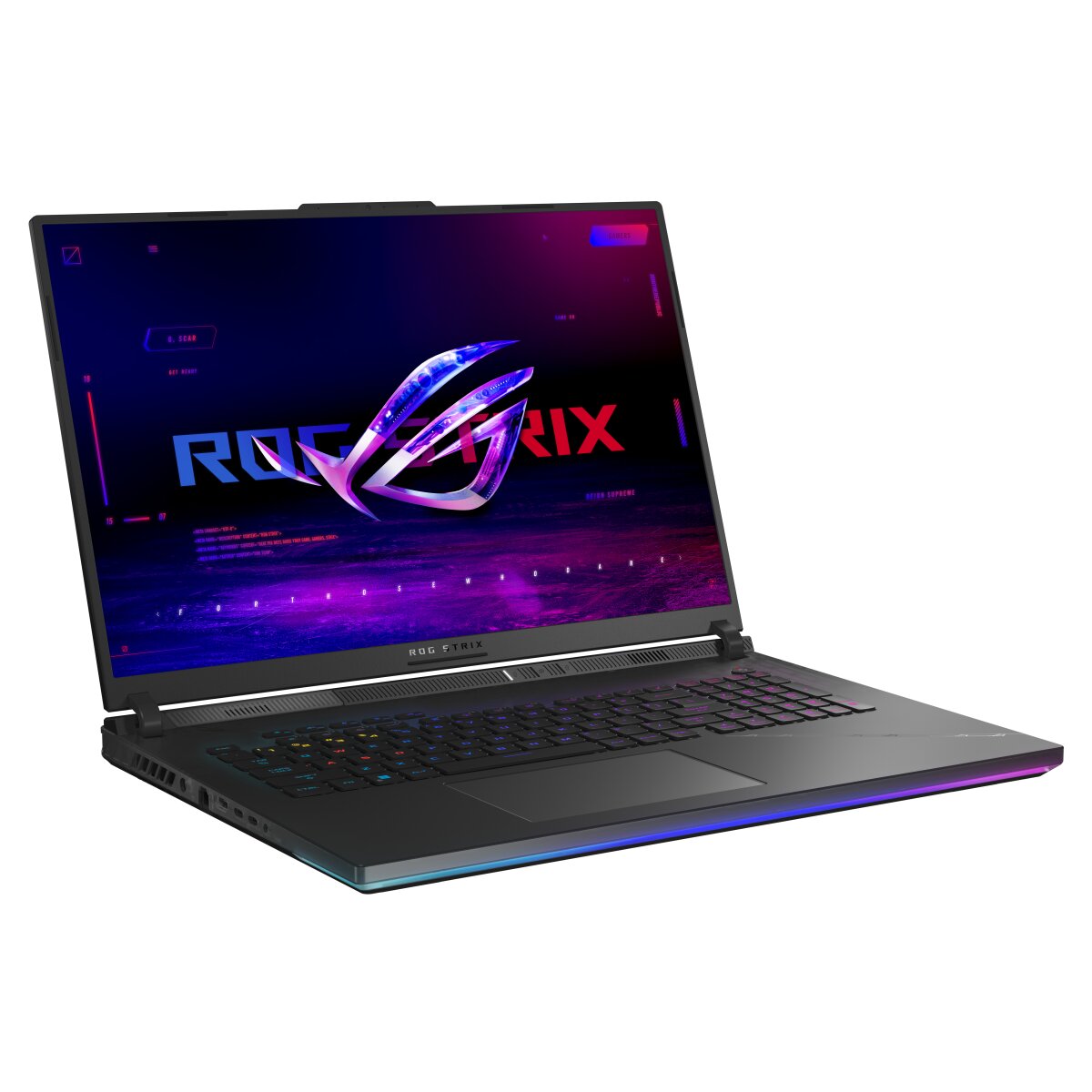
The ASUS ROG Strix SCAR 18 G834JZ-N6006W supports DDR5-SDRAM memory upgrades through two SO-DIMM slots. Maximum RAM capacity reaches 64 GB, with compatible modules operating at 4800 MHz frequency. Memory upgrade specifications indicate SO-DIMM form factor compatibility, enabling users to expand system RAM from factory configuration to supported maximum capacity for enhanced multitasking and performance capabilities.
Memory Upgrade Specifications
| Specification | Value |
|---|---|
| Memory slots | 2x SO-DIMM |
| Form factor | SO-DIMM |
| Memory type | DDR5-SDRAM |
| Frequency | 4800 MHz |
| Maximum RAM | 64 GB |
| Voltage | 1.1V |
| Number of pins | 262-pin |
| Interface | PC5 |
| PC Speed Rating | PC5-4800 (PC5-38400) |
| Bandwidth | 38.4 GB/s |
| Laptop Release date | 12 March 2023 |
Additional Notes
- The ASUS ROG G834JZ-N6006W accepts DDR5 SO-DIMM modules exclusively, eliminating backward compatibility with DDR4 memory architectures due to distinct voltage requirements and physical notch positioning.
- The 4800 MHz native frequency represents JEDEC standard DDR5 baseline speed, meaning aftermarket modules rated at 5200 MHz, 5600 MHz, or higher will typically downclock to this chipset-supported ceiling unless XMP/EXPO profiles receive BIOS support.
- Dual-channel configuration requires matching capacity modules in both slots to maintain symmetric bandwidth, as asymmetric pairings force single-channel operation and halve theoretical memory throughput to approximately 38.4 GB/s.
- The 64 GB ceiling necessitates 2x32 GB module pairing for maximum capacity, as alternative configurations like 2x16 GB or 2x8 GB will underutilize the supported addressing range.
- SO-DIMM form factor restriction prevents standard desktop DIMM installation due to incompatible pin counts (262-pin laptop versus 288-pin desktop) and physical length differences of approximately 30 mm.
- DDR5 architecture introduces on-module ECC and power management ICs, increasing per-module power draw to approximately 1.1V compared to DDR4's 1.2V, though this represents efficiency gains rather than total consumption reduction.
- Mixing modules from different manufacturers or production batches risks timing incompatibilities that manifest as POST failures or memory training errors, even when specifications appear identical on product labels.
- The dual-slot configuration offers no triple-channel or quad-channel upgrade path, capping memory bandwidth scaling regardless of processor capabilities that might support wider memory interfaces.
- Warranty preservation typically requires avoiding physical damage to retention clips and maintaining factory thermal pad placement on modules equipped with integrated heat spreaders.
- DDR5's higher density per module enables 64 GB capacity within 2 slots, whereas equivalent DDR4 systems would require unobtainable 4-slot configurations to reach parity.