ASUS ROG G834JZ-N6027W RAM upgrade specifications
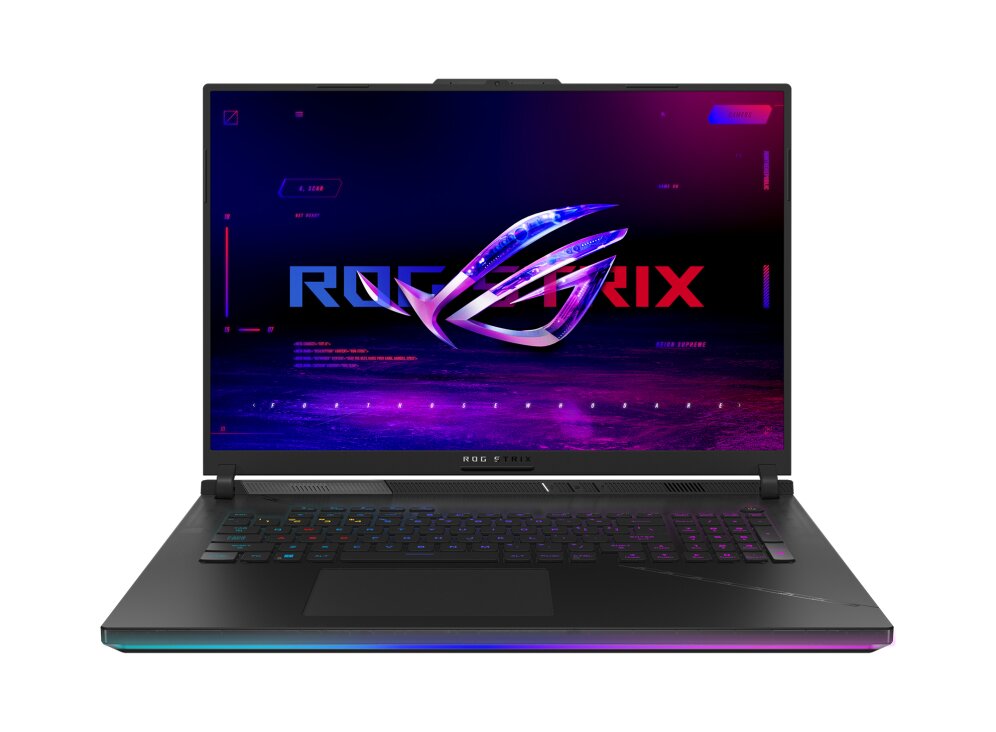
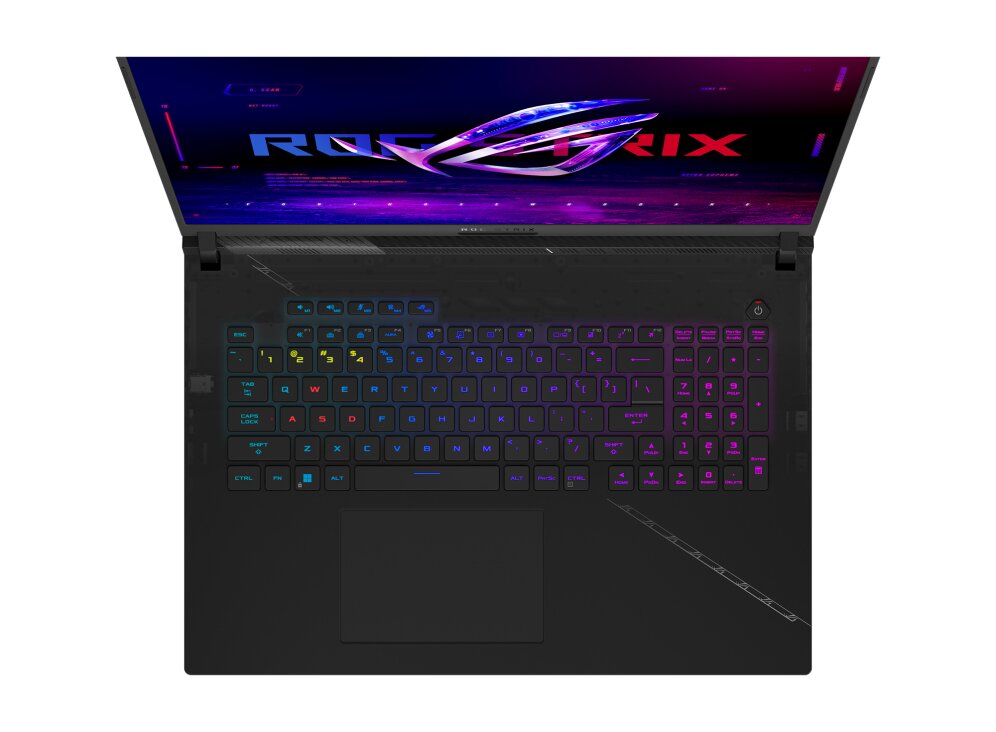



The ASUS ROG Strix SCAR 18 G834JZ-N6027W laptop features 2x SO-DIMM memory slots supporting DDR5-SDRAM specifications. The upgrade specifications indicate maximum RAM capacity of 64 GB total, with compatible memory operating at 4800 MHz frequency. The SO-DIMM form factor specifications are standard for laptop memory upgrades on the G834JZ-N6027W model. DDR5 memory technology provides the specifications and performance characteristics for this particular ASUS ROG Strix SCAR 18 series gaming laptop configuration.
Memory Upgrade Specifications
| Specification | Value |
|---|---|
| Memory slots | 2x SO-DIMM |
| Form factor | SO-DIMM |
| Memory type | DDR5-SDRAM |
| Frequency | 4800 MHz |
| Maximum RAM | 64 GB |
| Voltage | 1.1V |
| Number of pins | 262-pin |
| Interface | PC5 |
| PC Speed Rating | PC5-4800 (PC5-38400) |
| Bandwidth | 38.4 GB/s |
| Laptop Release date | 19 March 2023 |
Additional Notes
- The ASUS ROG G834JZ-N6027W features DDR5 technology, which operates at a higher baseline voltage (1.1V) compared to DDR4, affecting power consumption patterns and thermal management within the chassis.
- SO-DIMM modules for DDR5 systems use a 262-pin configuration, incompatible with the 260-pin DDR4 SO-DIMM standard, preventing accidental installation of older generation memory.
- The 4800 MHz specification represents the JEDEC standard baseline for DDR5, meaning aftermarket modules rated at higher frequencies (5200 MHz, 5600 MHz, or beyond) will downclock to match the controller's supported speed unless XMP profiles are available and enabled.
- A 64 GB ceiling across 2 slots requires 32 GB modules, which utilize higher-density memory chips that may exhibit different latency characteristics compared to 16 GB or 8 GB configurations despite identical frequency ratings.
- Dual-channel architecture implementation means both SO-DIMM slots must be populated with matching capacity modules to maintain symmetric bandwidth across the memory controller's two channels.
- DDR5's on-die ECC functionality operates independently of system-level error correction, providing background data integrity checks without requiring specific motherboard support or performance overhead visibility to the operating system.
- The SO-DIMM form factor's physical dimensions (approximately 69.6 mm in length) necessitate access to specific chassis panels, which on gaming laptops often involves removing the entire bottom cover rather than a dedicated memory compartment door.
- Memory controller limits within the system chipset may impose restrictions on mixing module ranks, meaning a single-rank and dual-rank module pairing could result in stability issues or forced operation at reduced speeds.
- DDR5's higher prefetch architecture (16n compared to DDR4's 8n) increases minimum burst length, which translates to bandwidth advantages in sequential operations but negligible impact on latency-sensitive random access patterns.
- Thermal considerations become more critical with DDR5 at maximum capacity, as the combined heat output from two high-density 32 GB modules may approach or exceed what passive SO-DIMM cooling can dissipate without adequate chassis airflow.
- Warranty preservation typically requires using non-invasive installation methods, meaning users should verify whether the specific bottom panel fasteners are standard Phillips-head screws rather than security Torx or proprietary designs before attempting access.