ASUS ROG G834JZ-N6020W RAM upgrade specifications
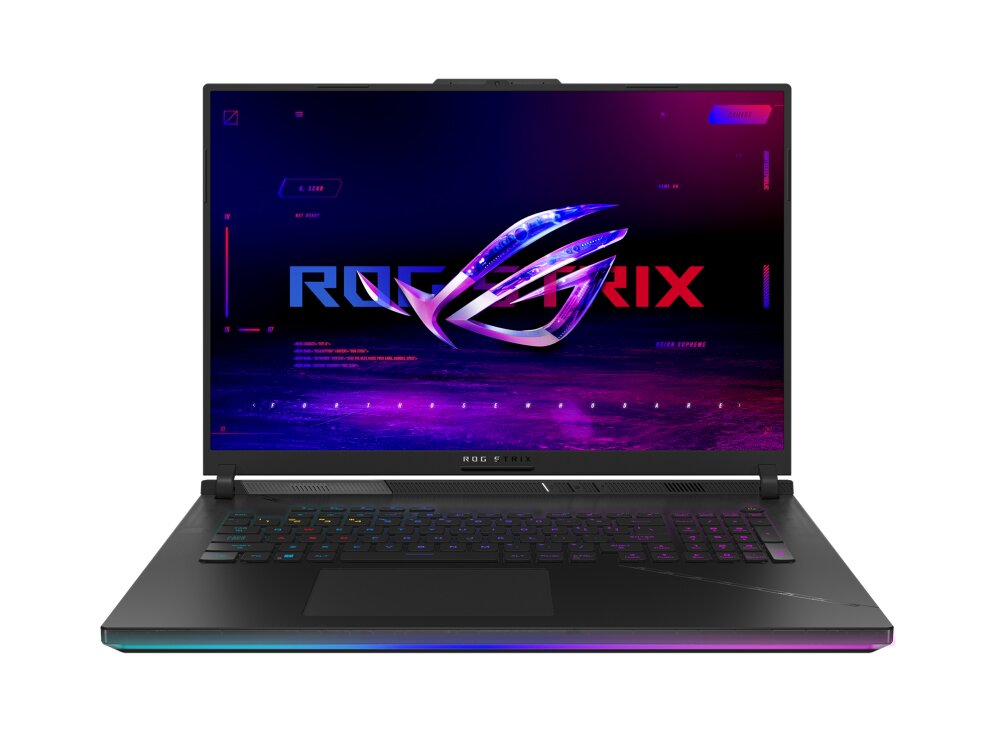
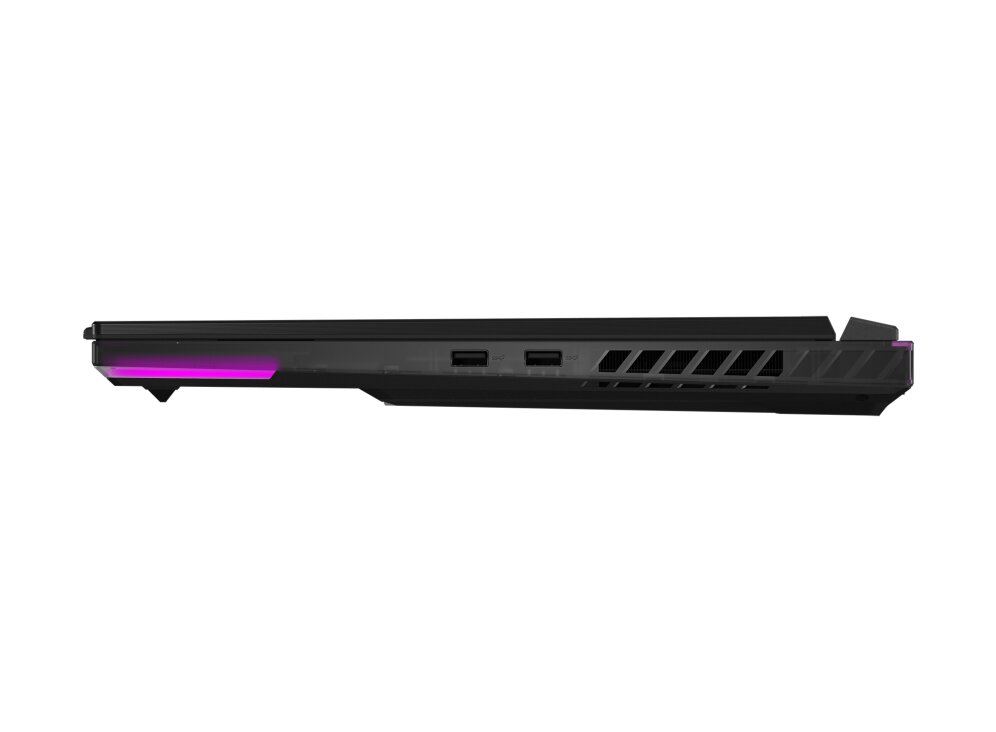
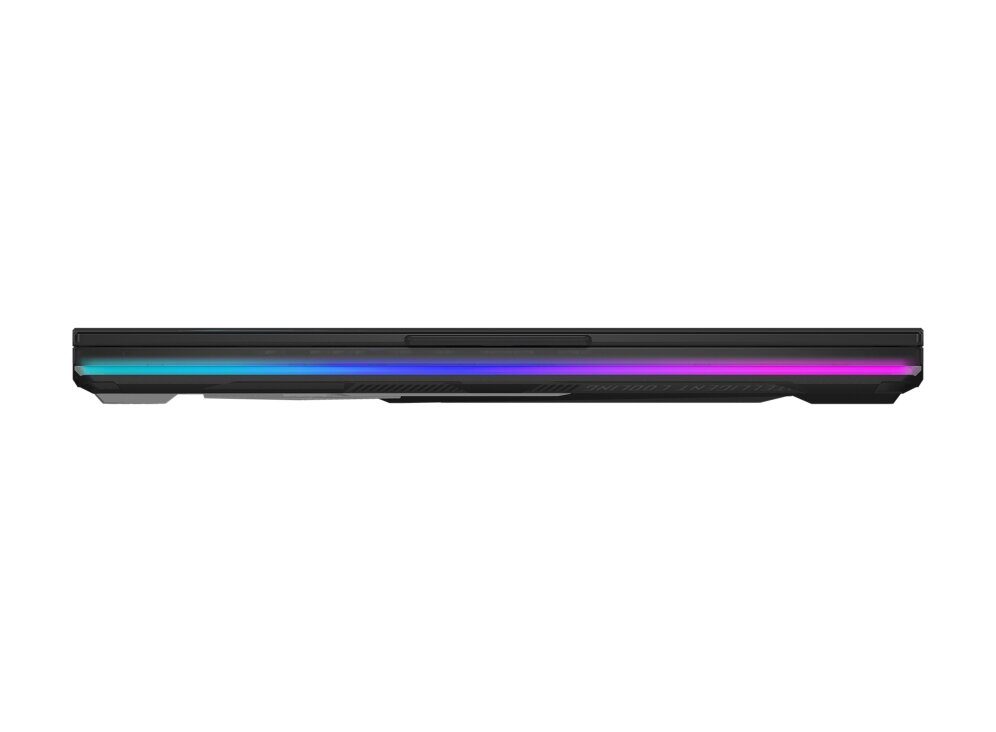
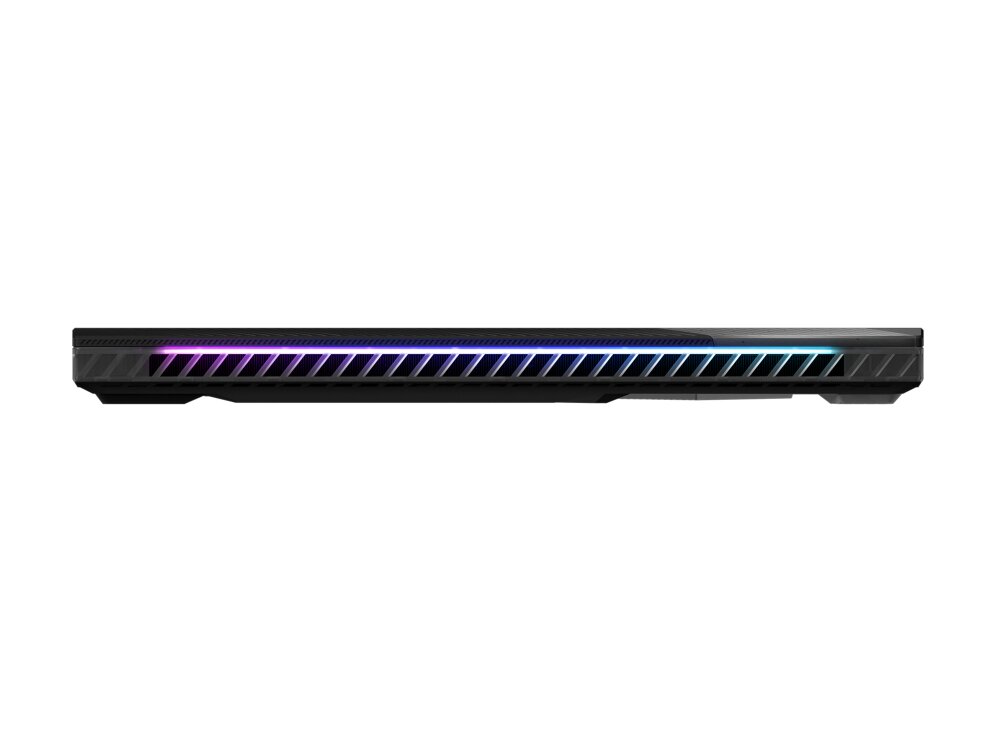
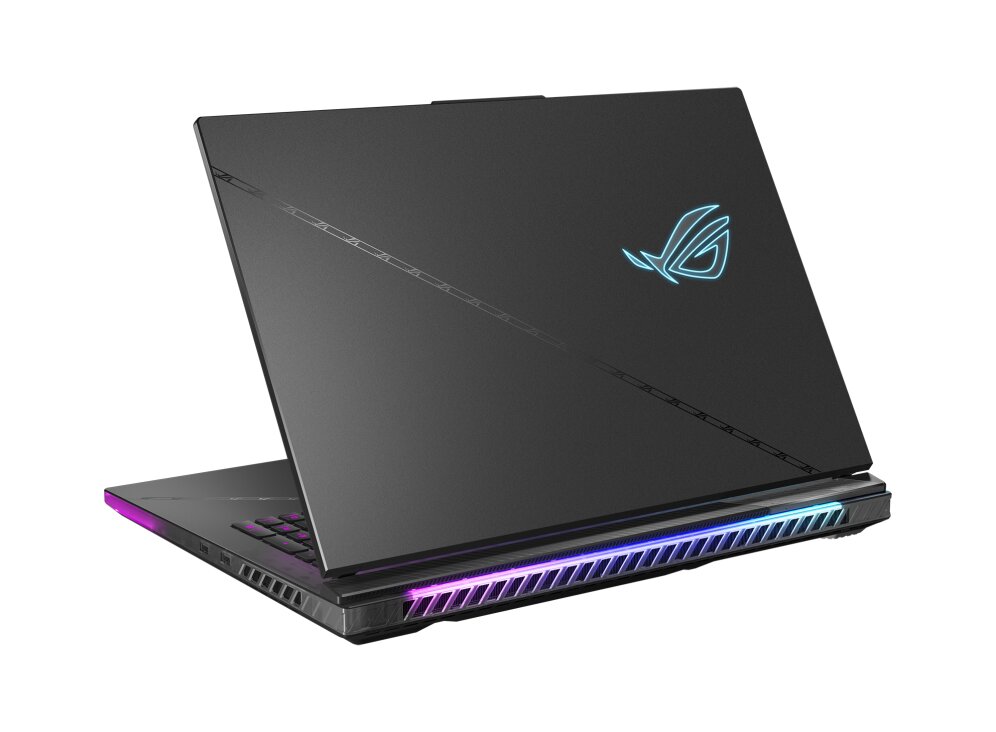
The ASUS ROG Strix SCAR 18 G834JZ-N6020W supports DDR5-SDRAM memory upgrades with 2x SO-DIMM slots. Compatible upgrades accommodate a maximum RAM capacity of 64 GB total. The laptop specifications support DDR5 memory operating at 4800 MHz frequency. Existing memory modules can be replaced or supplemented to reach the maximum supported capacity within the available SO-DIMM slots. Upgrade options must meet DDR5 compatibility standards for optimal performance within this ROG gaming laptop model.
Memory Upgrade Specifications
| Specification | Value |
|---|---|
| Memory slots | 2x SO-DIMM |
| Form factor | SO-DIMM |
| Memory type | DDR5-SDRAM |
| Frequency | 4800 MHz |
| Maximum RAM | 64 GB |
| Voltage | 1.1V |
| Number of pins | 262-pin |
| Interface | PC5 |
| PC Speed Rating | PC5-4800 (PC5-38400) |
| Bandwidth | 38.4 GB/s |
| Laptop Release date | 13 January 2023 |
Additional Notes
- The ASUS ROG G834JZ-N6020W dual-channel architecture requires matched memory modules in both slots to achieve optimal bandwidth, as mismatched capacities or speeds will force the system to operate at the specifications of the slower module.
- DDR5 operates with on-die ECC that automatically corrects single-bit errors within the DRAM chip itself, independent of the system's error correction capabilities.
- The 4800 MHz specification represents JEDEC base frequency for DDR5, indicating conservative timings that prioritize stability over performance in factory configuration.
- SO-DIMM modules at 64 GB total capacity typically deploy as 2x32 GB configuration, as single 64 GB SO-DIMM modules remain uncommon in consumer availability.
- DDR5 voltage regulation occurs on the memory module rather than the motherboard, with integrated PMIC (Power Management IC) controlling the 1.1V operating voltage.
- The 2-slot limitation prevents future capacity expansion beyond initial installation, requiring immediate purchase of target capacity rather than incremental upgrades.
- Higher frequency DDR5 modules rated above 4800 MHz will downclock to motherboard-supported speeds unless XMP/EXPO profiles receive BIOS support and manual activation.
- Physical SO-DIMM installation requires approximately 30-degree insertion angle before seating clips engage, with insufficient clearance potentially indicating reversed orientation.
- DDR5 backward incompatibility with DDR4 extends to both electrical signaling and physical notch placement, preventing accidental installation of incorrect generation modules.
- Memory-intensive workloads beyond 32 GB capacity may expose thermal throttling on high-density modules without adequate chassis ventilation in the SO-DIMM compartment.
- Manufacturer warranty terms typically permit user-installed memory upgrades without seal breakage penalties, though verification of specific regional warranty policies remains advisable.