ASUS ROG G834JZR-R6049W RAM upgrade specifications
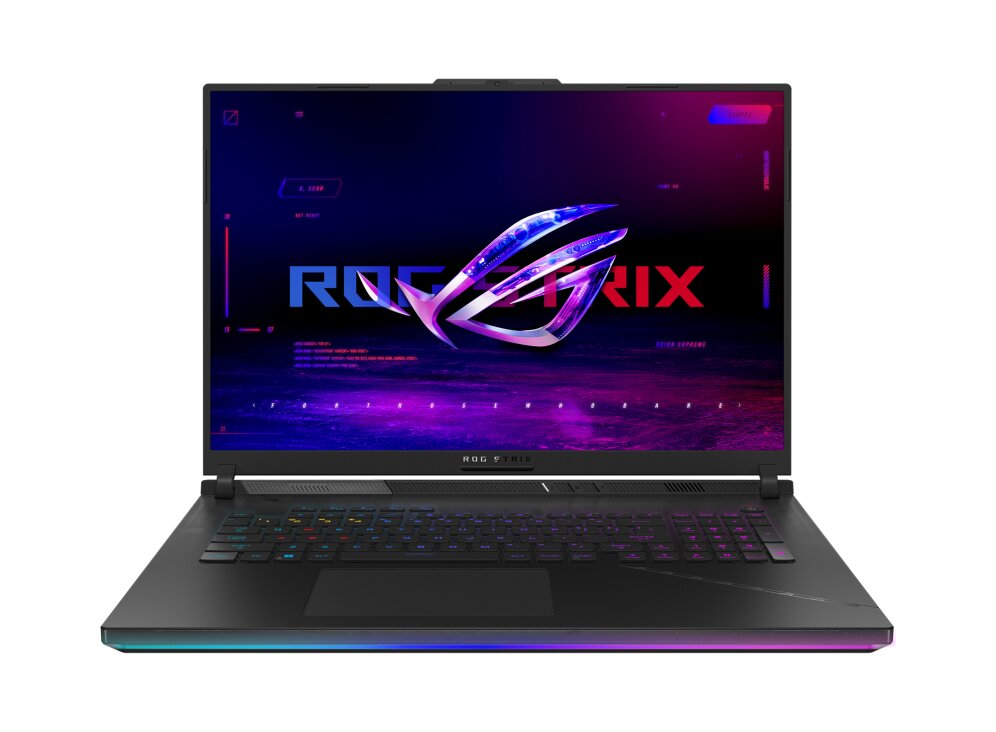
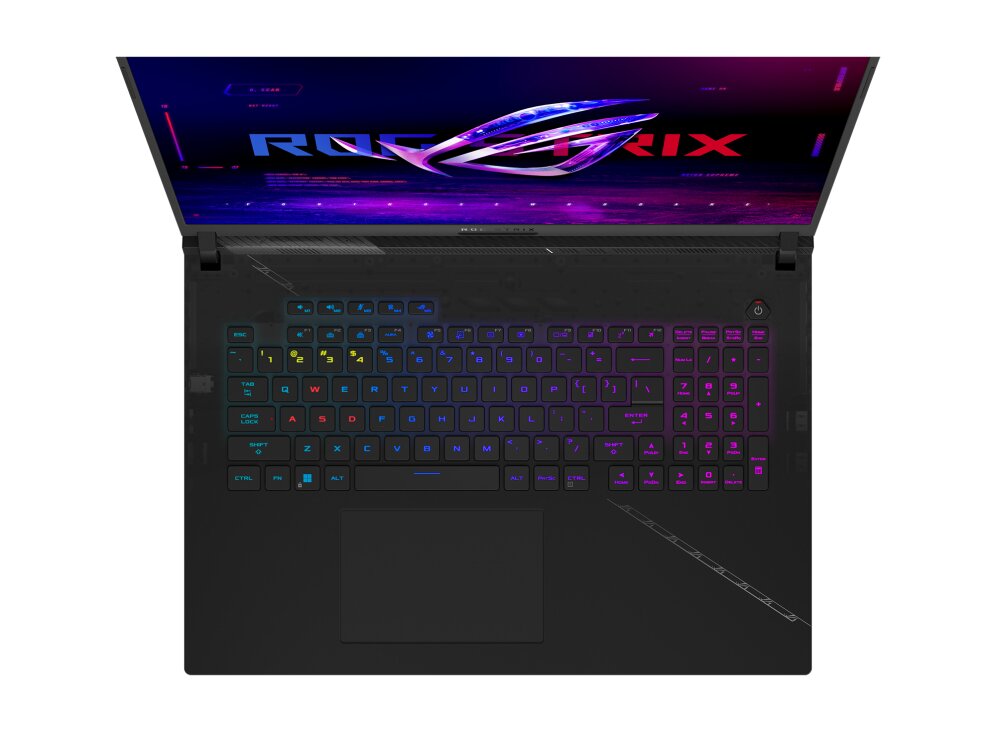

ASUS ROG Strix SCAR 18 model G834JZR-R6049W supports DDR5-SDRAM memory upgrades via 2x SO-DIMM slots. Maximum RAM capacity reaches 64 GB total. Compatible memory operates at 5600 MHz frequency. Upgrade specifications include SO-DIMM form factor modules. Current configuration and available capacity depend on factory-installed memory. Replacement or additional memory modules must match DDR5-SDRAM type and specifications for proper compatibility with this laptop model.
Memory Upgrade Specifications
| Specification | Value |
|---|---|
| Memory slots | 2x SO-DIMM |
| Form factor | SO-DIMM |
| Memory type | DDR5-SDRAM |
| Frequency | 5600 MHz |
| Maximum RAM | 64 GB |
| Voltage | 1.1V |
| Number of pins | 262-pin |
| Interface | PC5 |
| PC Speed Rating | PC5-5600 (PC5-44800) |
| Bandwidth | 44.8 GB/s |
Additional Notes
- The ASUS ROG G834JZR-R6049W employs SO-DIMM modules rather than standard desktop DIMMs, requiring physically smaller form factor components with distinct notch positioning incompatible with conventional tower PC memory.
- DDR5 architecture mandates voltage regulation on each module instead of the motherboard, preventing backward compatibility with any DDR4 configuration regardless of physical slot matching.
- Native 5600 MHz operation requires JEDEC-compliant modules or XMP 3.0 profiles, as non-standard frequencies may force downclocking to 4800 MHz base specification.
- Dual-channel configuration necessitates matched module pairs for optimal bandwidth utilization, as mismatched capacities or timings will default to the slower specification across both slots.
- The 64 GB ceiling indicates chipset-level addressing limitations, meaning 2x48 GB configurations are physically rejected despite potential SO-DIMM availability in that density.
- Access to both memory slots typically requires bottom panel removal and possible warranty seal disruption, unlike single-access-door designs found in budget configurations.
- DDR5's on-die ECC operates independently from system-level error correction, providing background data integrity without BIOS-configurable ECC functionality.
- Thermal considerations arise from DDR5's higher power draw compared to DDR4 equivalents, as SO-DIMM modules in compact chassis rely on passive airflow rather than dedicated cooling.
- JEDEC-standard modules maintain compatibility across manufacturers, while proprietary RGB or enhanced cooling solutions may encounter physical clearance conflicts with chassis limitations.
- Single-rank versus dual-rank module topology affects latency characteristics, with dual-rank configurations providing marginally higher bandwidth at potential timing penalty.
- Maximum practical upgrade path reaches 2x32 GB without exceeding platform specifications, as higher densities would breach the documented 64 GB threshold.