ASUS ROG G835LR-SA002W RAM upgrade specifications

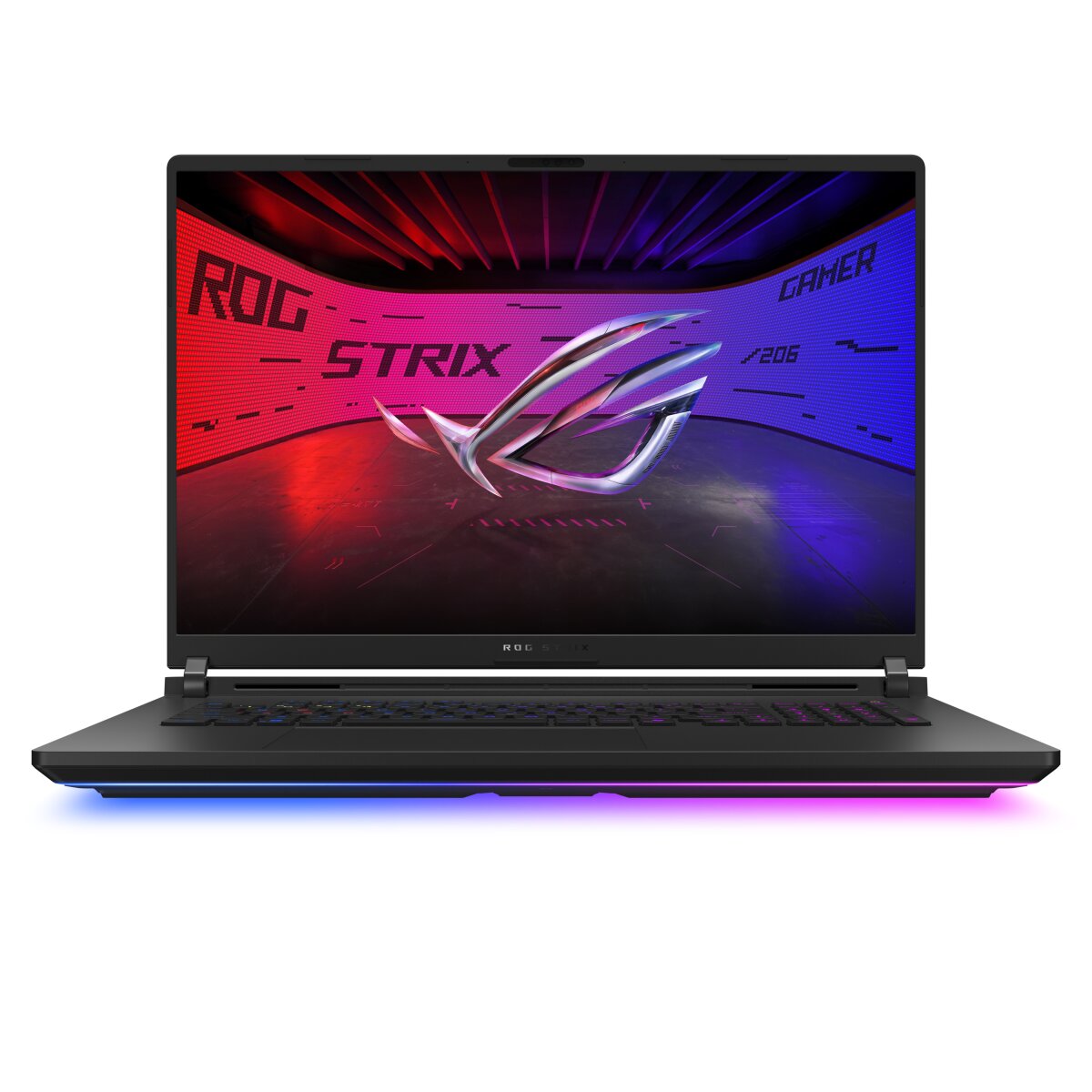
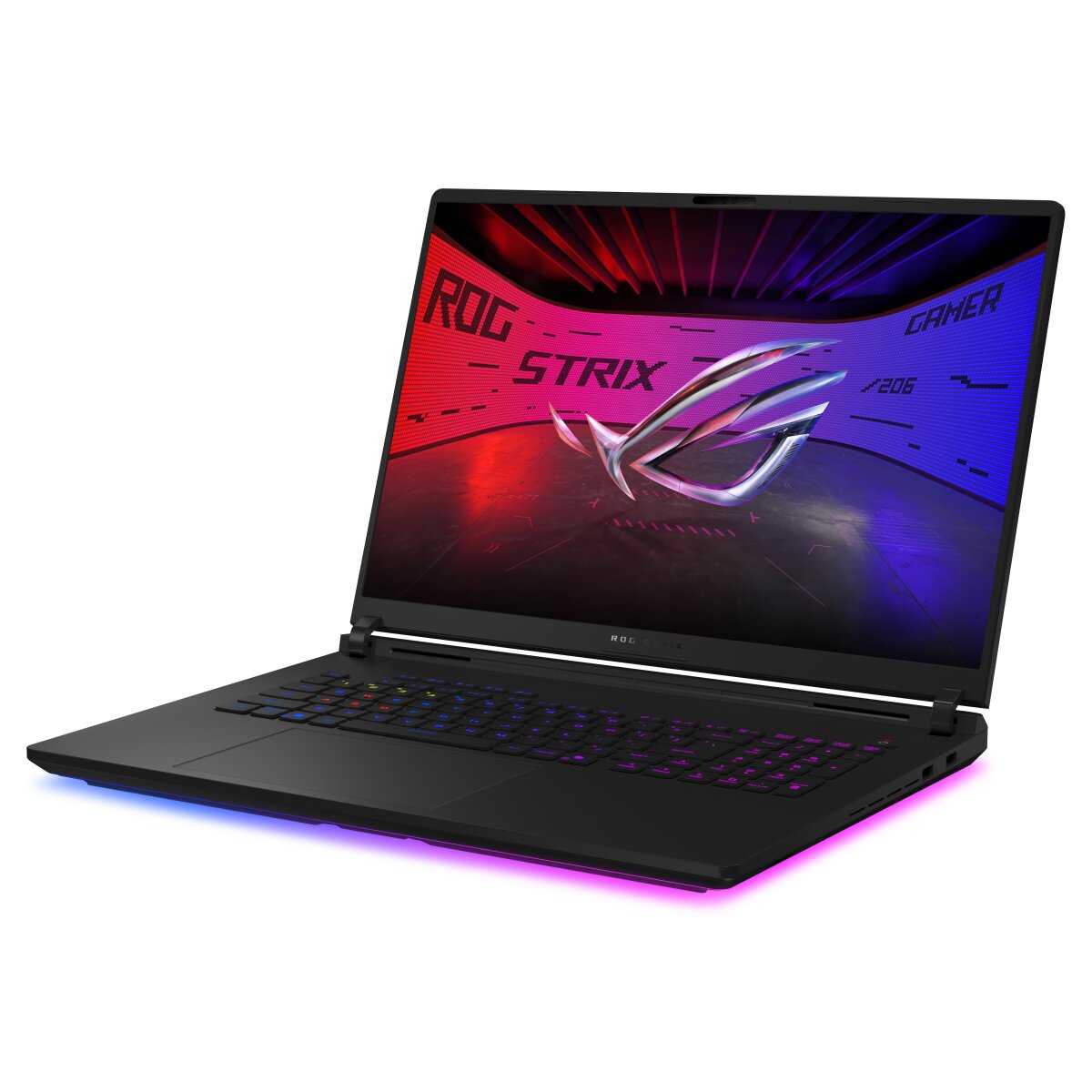

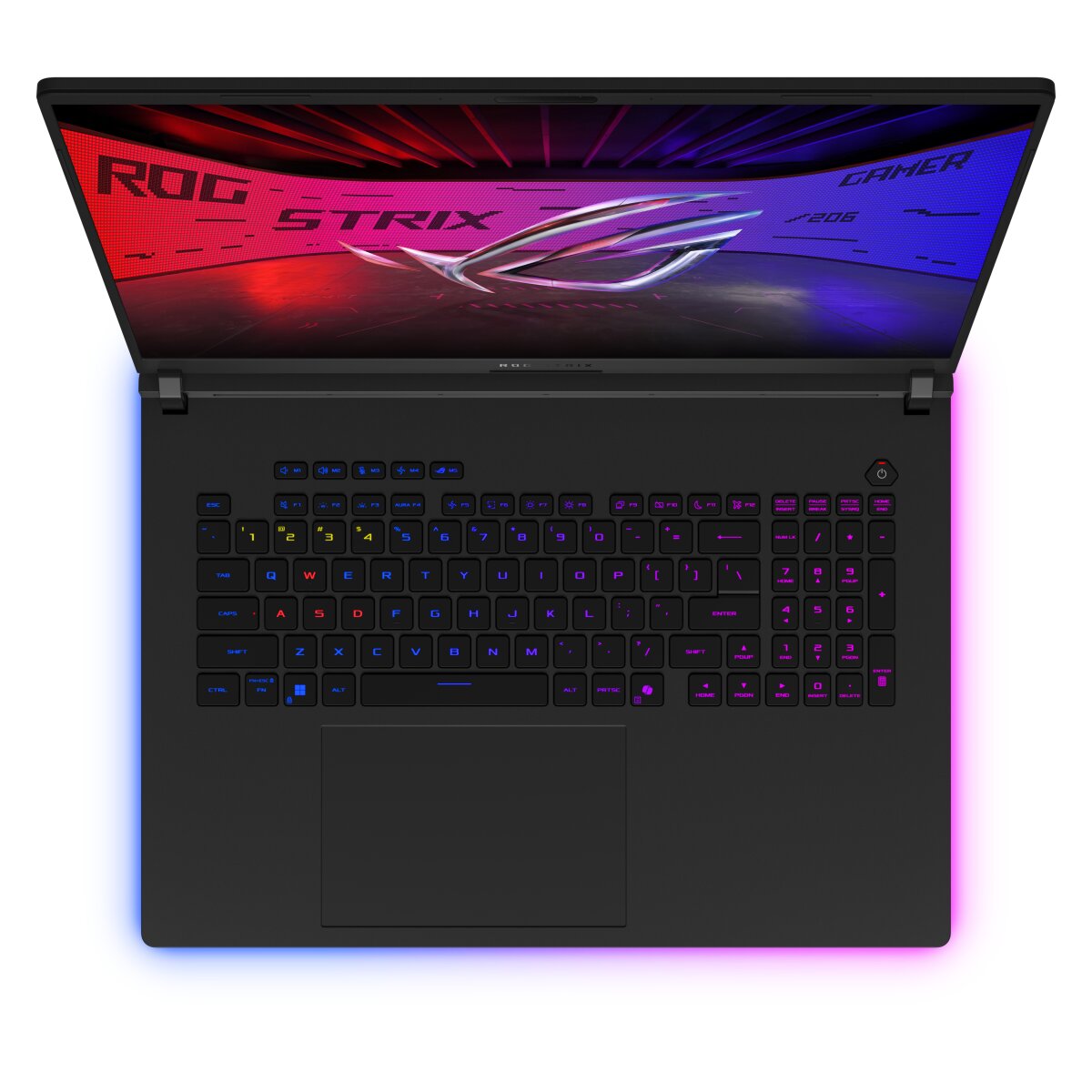
The ASUS ROG Strix SCAR 18 G835LR-SA002W laptop features DDR5-SDRAM memory specifications with 2x SO-DIMM slots supporting maximum RAM capacity of 64 GB. Compatible memory upgrades utilize SO-DIMM form factor with 5600 MHz frequency specifications. Existing memory modules can be replaced or additional capacity added within the dual-slot configuration to reach maximum supported specifications of 64 GB total memory.
Memory Upgrade Specifications
| Specification | Value |
|---|---|
| Memory slots | 2x SO-DIMM |
| Form factor | SO-DIMM |
| Memory type | DDR5-SDRAM |
| Frequency | 5600 MHz |
| Maximum RAM | 64 GB |
| Voltage | 1.1V |
| Number of pins | 262-pin |
| Interface | PC5 |
| PC Speed Rating | PC5-5600 (PC5-44800) |
| Bandwidth | 44.8 GB/s |
Additional Notes
- The DDR5-5600 specification indicates this ASUS ROG G835LR-SA002W operates at PC5-44800 transfer rate, delivering 44.8 GB/s theoretical bandwidth per channel when configured in dual-channel mode.
- DDR5 modules require motherboard BIOS support for JEDEC SPD profiles or XMP 3.0 settings, meaning older DDR5 modules designed for initial-generation controllers may exhibit compatibility issues without firmware updates.
- The 2 SO-DIMM configuration limits expansion flexibility to either replacing both modules for capacity increases or operating in single-channel mode if only 1 slot remains populated, which halves memory bandwidth.
- SO-DIMM DDR5 modules operate at 1.1V nominal voltage compared to DDR4's 1.2V, reducing thermal output but requiring compatible voltage regulation circuitry that prevents backward compatibility with DDR4 slots.
- Achieving the 64 GB maximum requires 2x 32 GB modules, which utilize denser memory dies that may introduce slightly higher latency penalties compared to equivalent-speed 16 GB modules due to increased chip-select timing.
- DDR5's on-die ECC architecture provides error correction transparency without consuming user-accessible capacity, unlike registered DDR4 ECC that reduces available memory by parity overhead.
- The 5600 MHz frequency represents the effective data rate with quad-pumped transfers running at 1400 MHz core clock, meaning actual CAS latency in nanoseconds may exceed DDR4-3200 despite higher absolute CAS values.
- Mixing different-capacity modules between slots remains functional but forces the controller to operate in asymmetric or flex mode, preserving dual-channel operation only for the matched capacity portion.
- SO-DIMM retention clips apply lateral pressure during installation, requiring precise perpendicular insertion at 45-degree angles before pressing downward to avoid bending contact pins on the 262-pin DDR5 interface.
- Third-party memory exceeding 5600 MHz base specification depends on manufacturer overclocking profiles that may void warranty coverage if system instability triggers RMA claims attributed to non-standard configurations.