ASUS ROG G835LW-SA130-GAMING RAM upgrade specifications
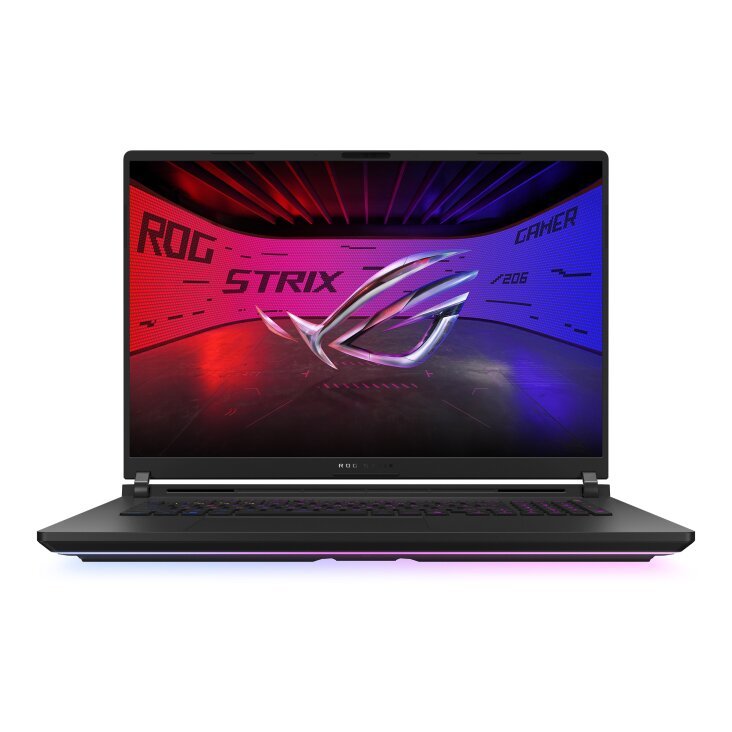

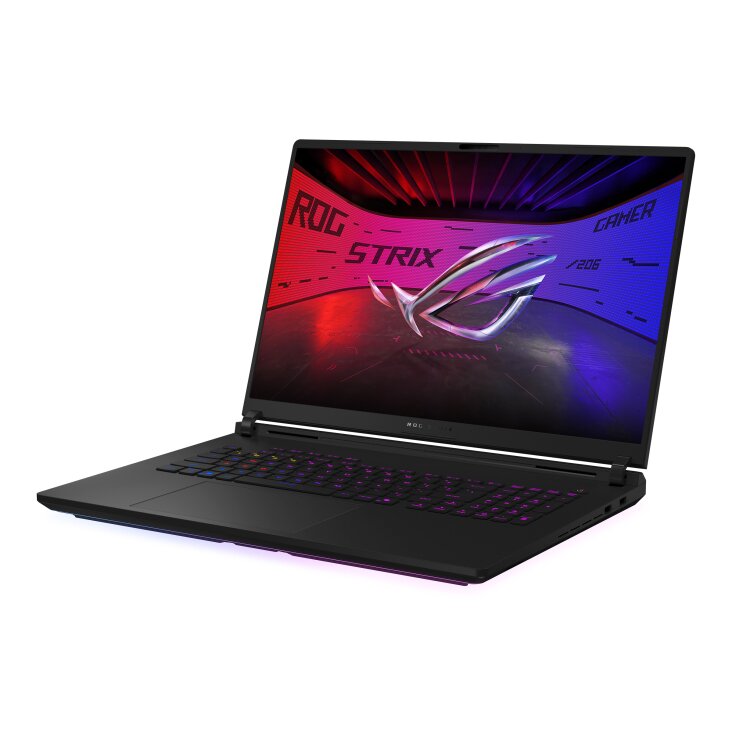
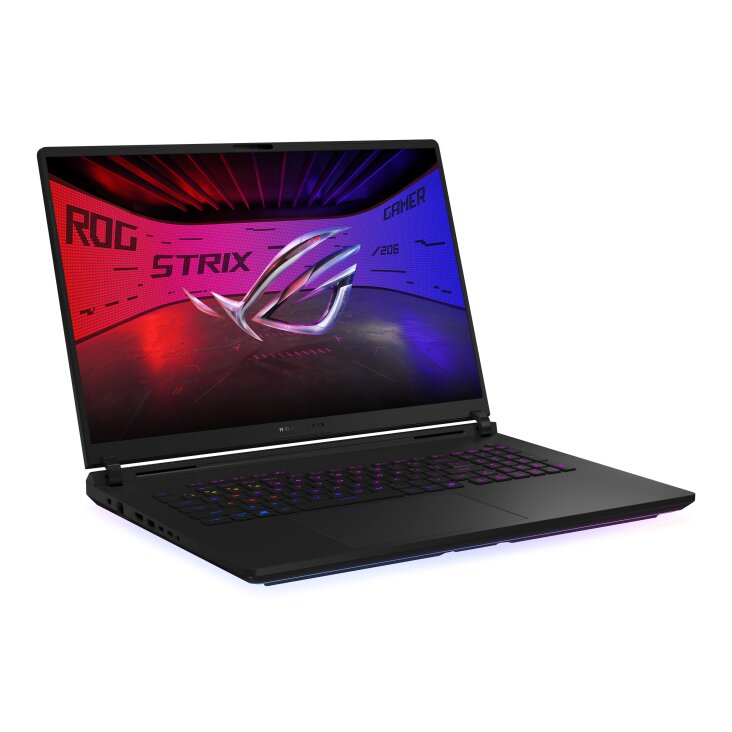
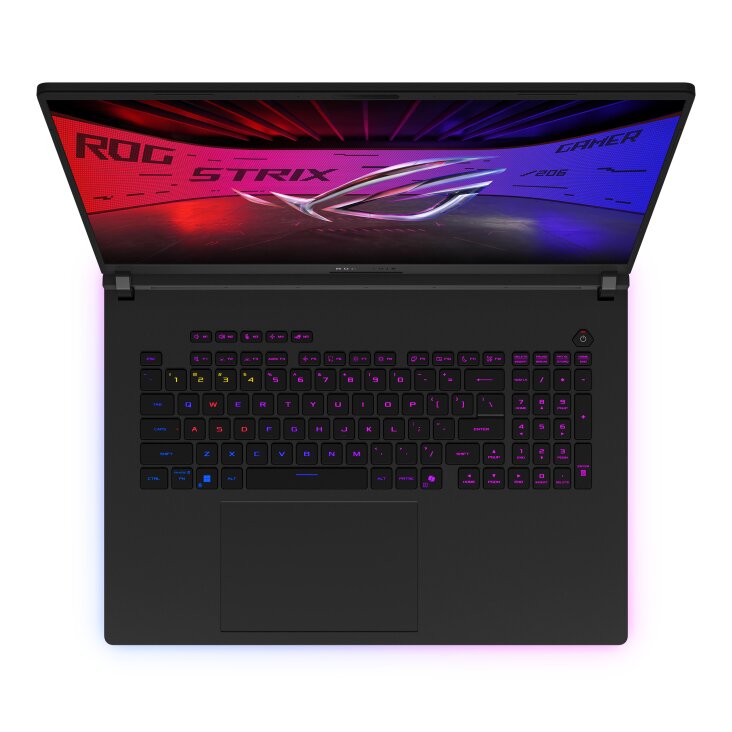
The ASUS ROG Strix SCAR 18 G835LW-SA130-GAMING laptop features DDR5-SDRAM memory with two SO-DIMM slots, supporting a maximum capacity of 64 GB. The upgrade specifications are compatible with DDR5 modules operating at 5600 MHz frequency. Current memory configuration and available upgrade options depend on factory-installed capacity. The SO-DIMM form factor specifications ensure compatibility with standard DDR5 laptop memory modules meeting the defined frequency and slot requirements.
Memory Upgrade Specifications
| Specification | Value |
|---|---|
| Memory slots | 2x SO-DIMM |
| Form factor | SO-DIMM |
| Memory type | DDR5-SDRAM |
| Frequency | 5600 MHz |
| Maximum RAM | 64 GB |
| Voltage | 1.1V |
| Number of pins | 262-pin |
| Interface | PC5 |
| PC Speed Rating | PC5-5600 (PC5-44800) |
| Bandwidth | 44.8 GB/s |
Additional Notes
- The DDR5-5600 specification indicates non-compatibility with DDR4 modules due to different pin configurations and voltage requirements, preventing any cross-generation upgrades.
- Dual-channel architecture requires matched pairs for optimal bandwidth utilization, as asymmetric configurations reduce theoretical throughput from 89.6 GB/s to single-channel speeds.
- SO-DIMM form factor limits selection to laptop-specific modules, which typically carry 15-25% price premiums compared to desktop DIMM equivalents at identical specifications.
- The 64 GB ceiling implies 2x32 GB module support, though achieving this maximum may require BIOS updates on earlier production units to ensure stability.
- Native 5600 MHz operation depends on JEDEC specification compliance, while higher-speed modules rated for 6000 MHz or above will downclock to controller limitations.
- ROG G835LW-SA130-GAMING chassis design typically positions SO-DIMM slots beneath the bottom panel, requiring complete base removal rather than dedicated access doors for installation.
- DDR5 on-die ECC functionality operates independently of user configuration but does not substitute for registered/unbuffered module distinctions in enterprise contexts.
- Mixing module densities between slots remains functionally possible but forces the memory controller to operate at the lowest common denominator for timings and rank interleaving.
- Thermal considerations become relevant above 32 GB total capacity, as higher-density modules generate increased heat that may trigger throttling in sustained workloads without adequate chassis ventilation.
- Warranty preservation requires verification that the manufacturer has not sealed memory compartment screws with tamper-evident covers, which some gaming laptop lines implement selectively.
- 5600 MHz represents the base JEDEC standard for DDR5, meaning XMP/EXPO profiles on enthusiast modules provide no performance benefit if the laptop BIOS lacks overclocking support.
- Voltage regulation at 1.1V nominal for DDR5 versus 1.2V for DDR4 reduces power draw by approximately 20% per module but increases sensitivity to unstable power delivery during high-current transients.