ASUS ROG G835LW-SA151W RAM upgrade specifications



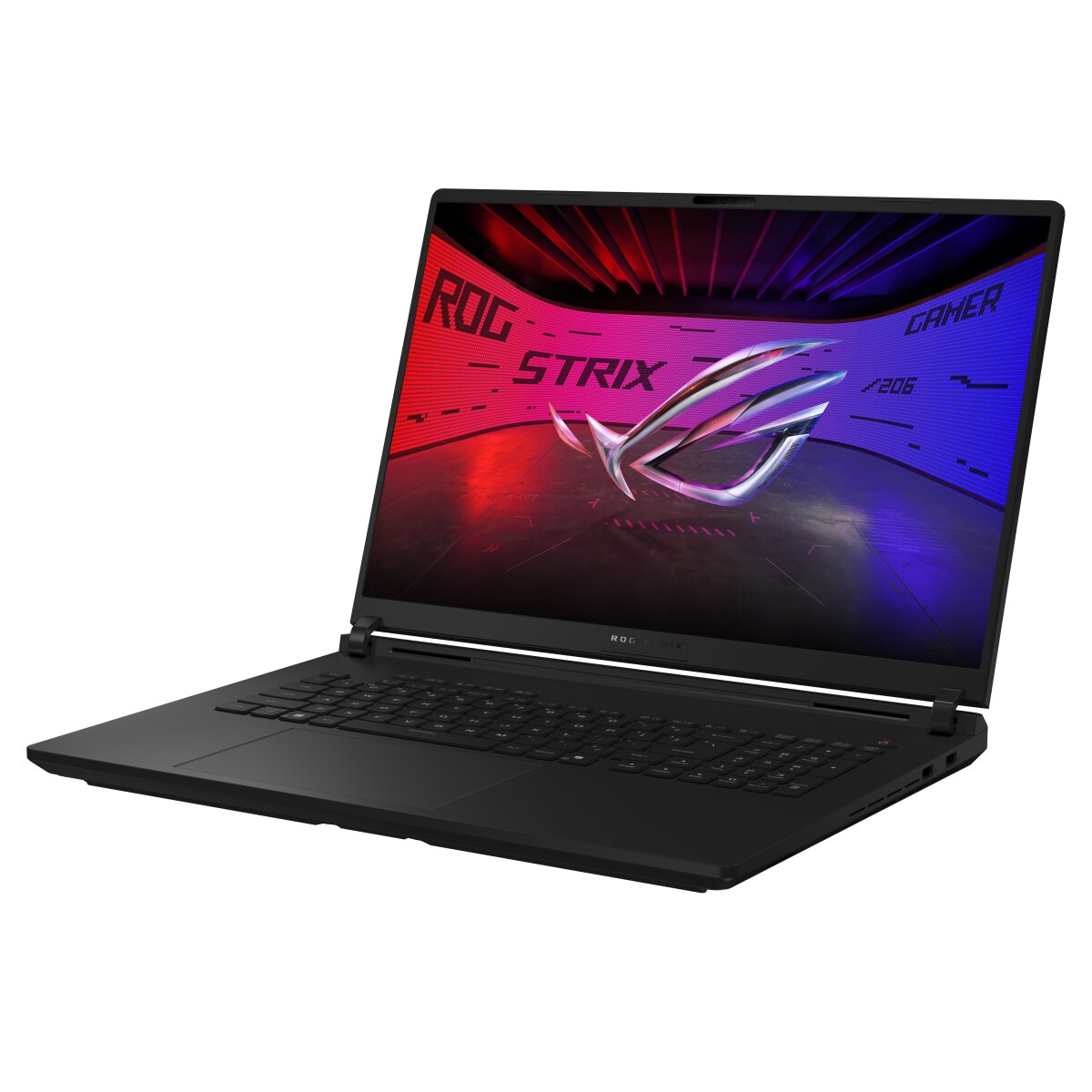
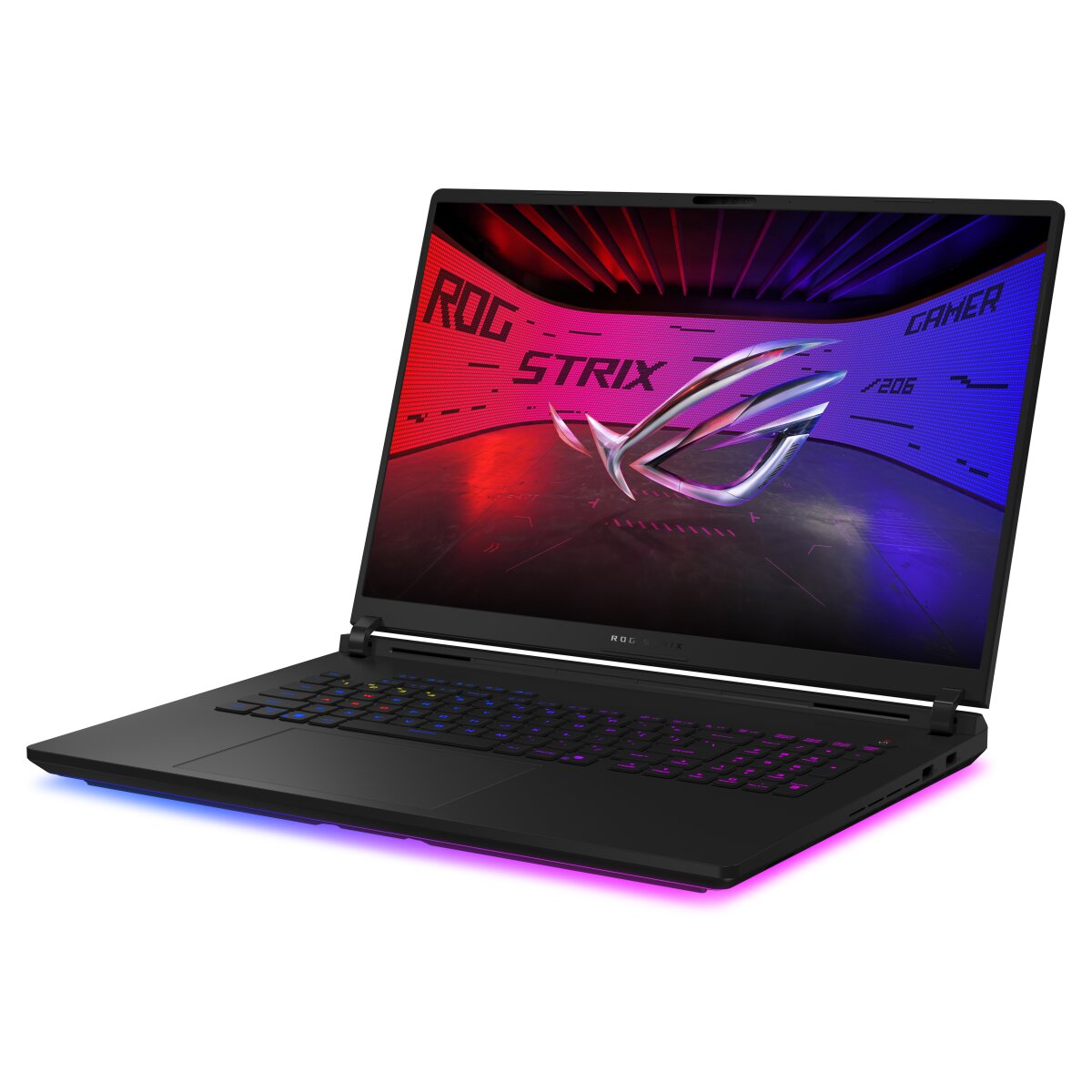
ASUS ROG Strix SCAR 18 G835LW-SA151W laptop features DDR5-SDRAM memory upgrade capacity compatible with 2x SO-DIMM slots. Maximum RAM specifications support up to 64 GB total memory capacity. Memory upgrade modules operate at 5600 MHz frequency. SO-DIMM form factor specifications ensure compatible memory module installation for this specific laptop model.
Memory Upgrade Specifications
| Specification | Value |
|---|---|
| Memory slots | 2x SO-DIMM |
| Form factor | SO-DIMM |
| Memory type | DDR5-SDRAM |
| Frequency | 5600 MHz |
| Maximum RAM | 64 GB |
| Voltage | 1.1V |
| Number of pins | 262-pin |
| Interface | PC5 |
| PC Speed Rating | PC5-5600 (PC5-44800) |
| Bandwidth | 44.8 GB/s |
Additional Notes
- The DDR5-5600 specification indicates this ASUS ROG G835LW-SA151W operates on JEDEC standard timing, which typically runs at CL46 latency rather than the tighter CL40 found in performance-oriented XMP modules.
- SO-DIMM slots in gaming laptops often share thermal zones with GPU and CPU heat pipes, meaning sustained memory-intensive workloads may trigger throttling if ambient cooling is insufficient.
- The 64 GB ceiling requires 2x32 GB modules, a configuration that forces dual-rank operation per channel and may introduce minor latency penalties compared to single-rank 2x16 GB setups.
- DDR5 operates at 1.1V nominal compared to DDR4's 1.2V, reducing thermal output but making the modules more sensitive to voltage fluctuations during high-frequency sustained transfers.
- Mixing modules with different die densities (16Gbit vs 24Gbit) will cause the system to downclock all memory to the lowest common denominator speed, even if both are rated for 5600 MHz.
- The 2-slot limitation prevents capacity expansion beyond the maximum without discarding existing modules, unlike 4-slot desktop configurations that allow incremental upgrades.
- Non-ECC unbuffered SO-DIMMs are the only compatible type; registered or ECC variants will either fail POST or operate in a degraded mode without error correction active.
- Installing modules exceeding 5600 MHz (such as 6400 MHz variants) will result in automatic downclocking to the platform's supported frequency, offering no performance benefit.
- The physical latch mechanism on SO-DIMM slots tolerates approximately 20-30 insertion cycles before spring tension degrades, making frequent swapping inadvisable outside warranty-protected service intervals.
- DDR5's on-die ECC operates independently of system-level error correction and only protects internal transfer integrity, not data accuracy visible to the operating system.