ASUS ROG G835LX RAM upgrade specifications
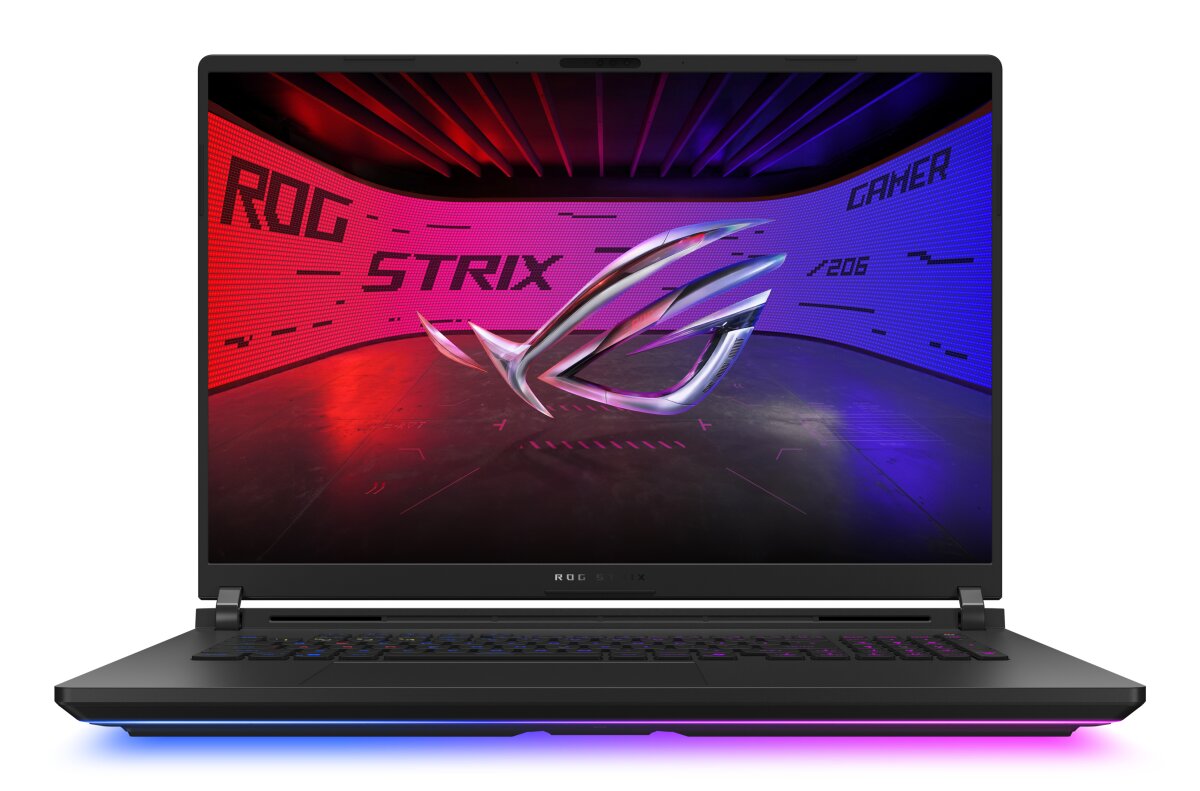
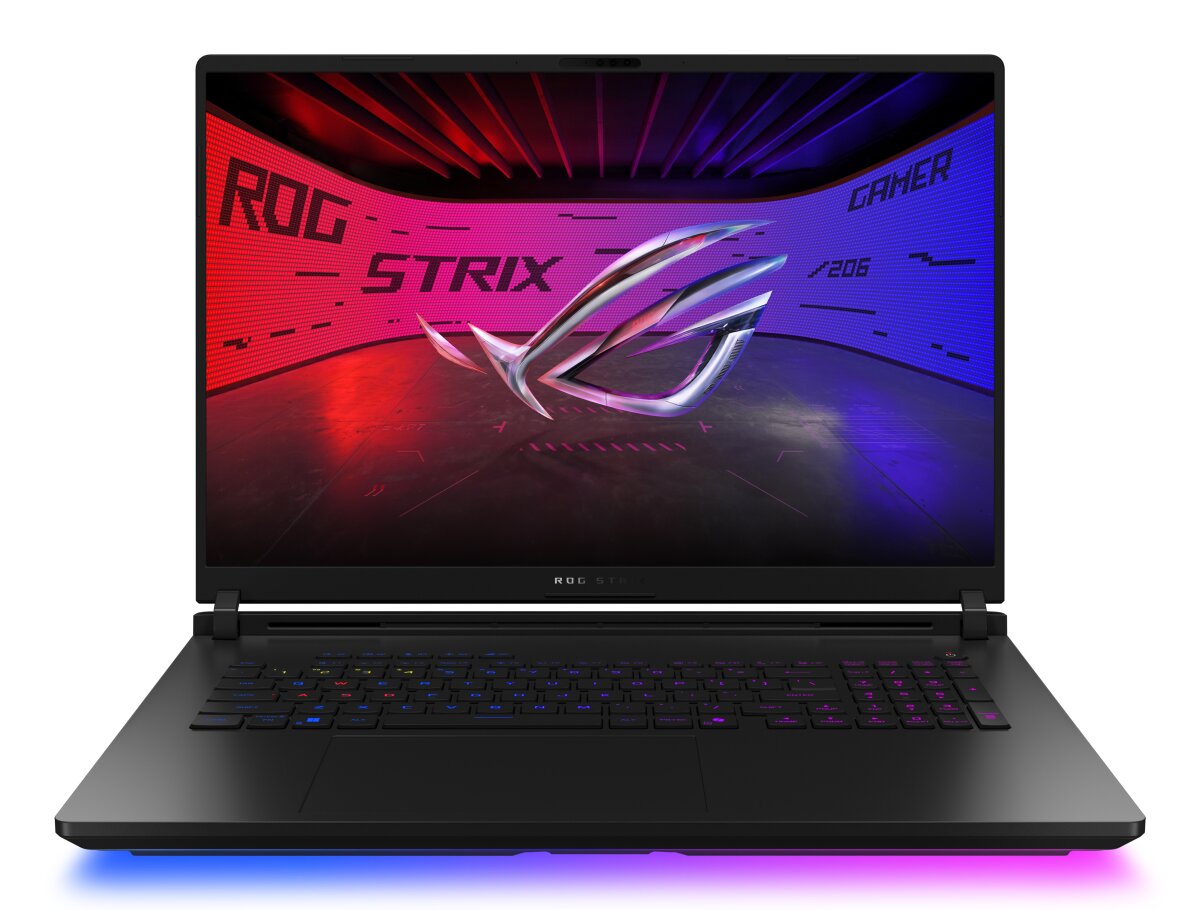
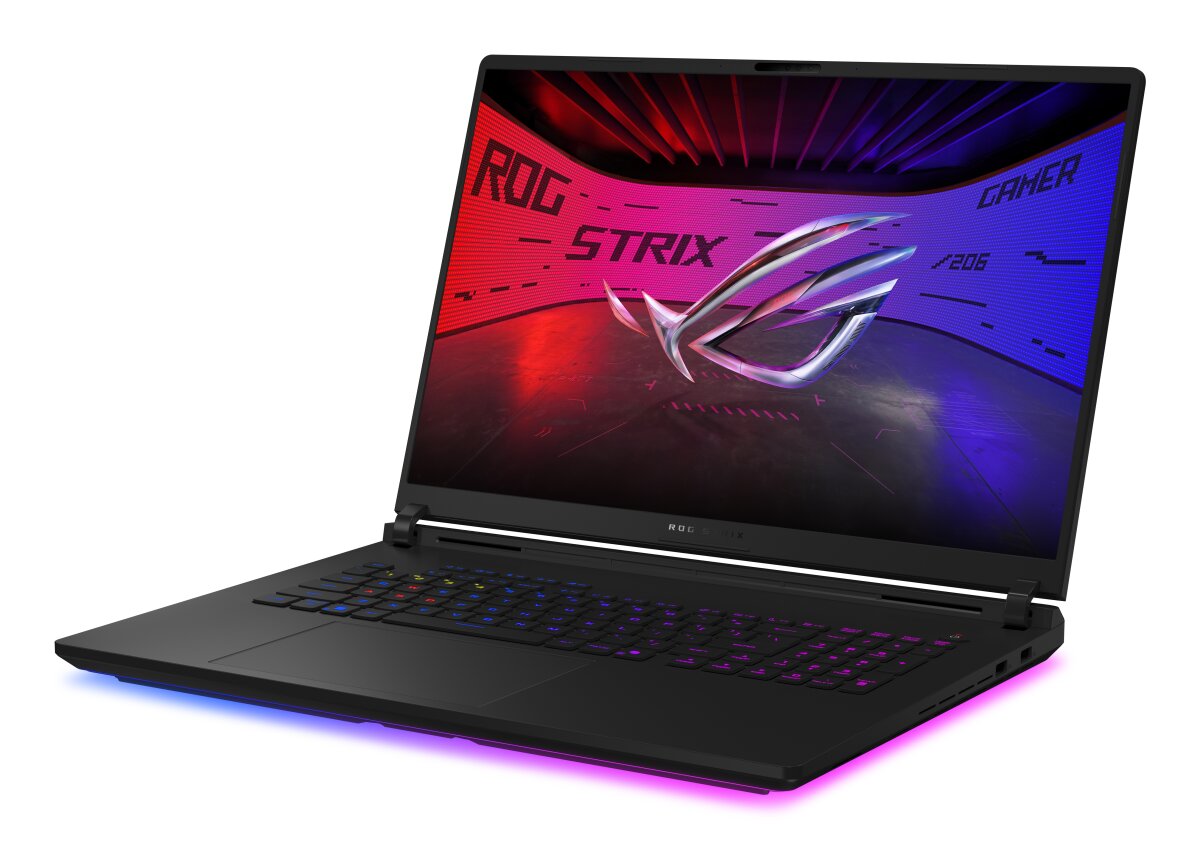
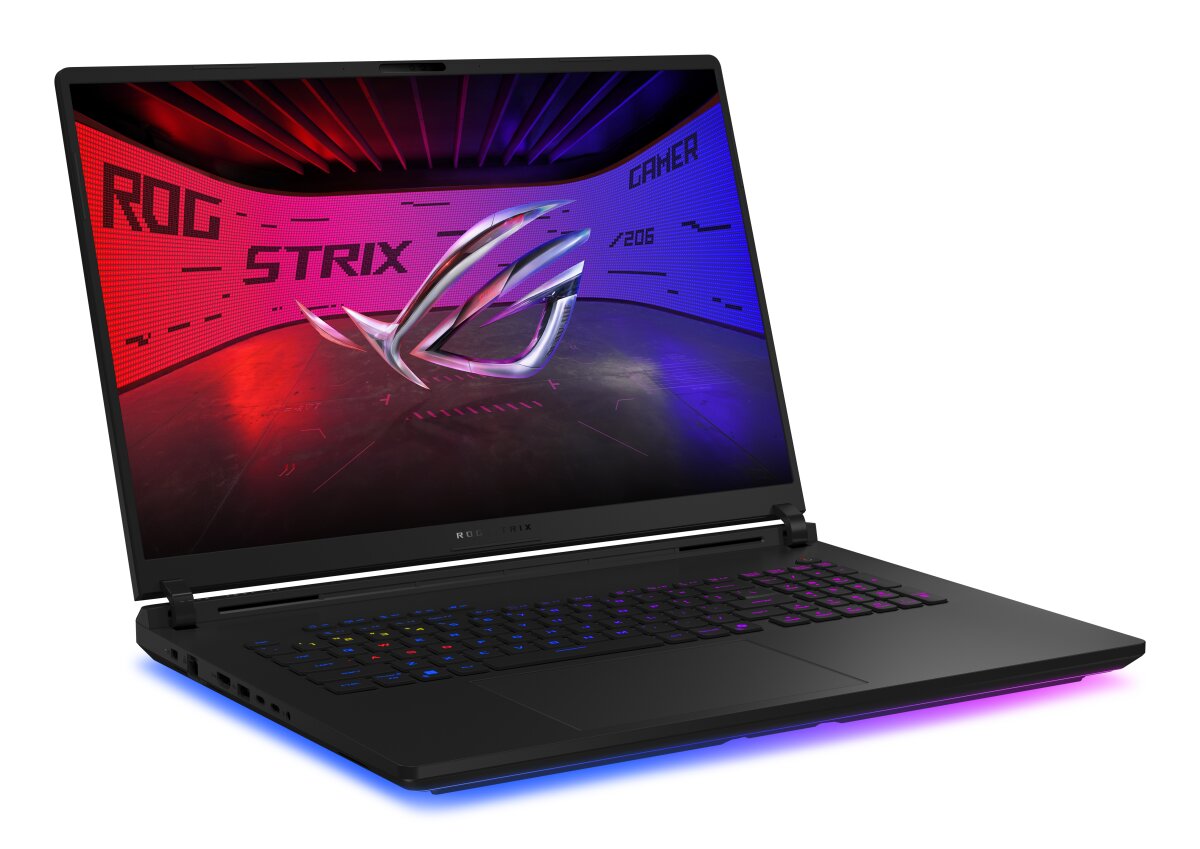
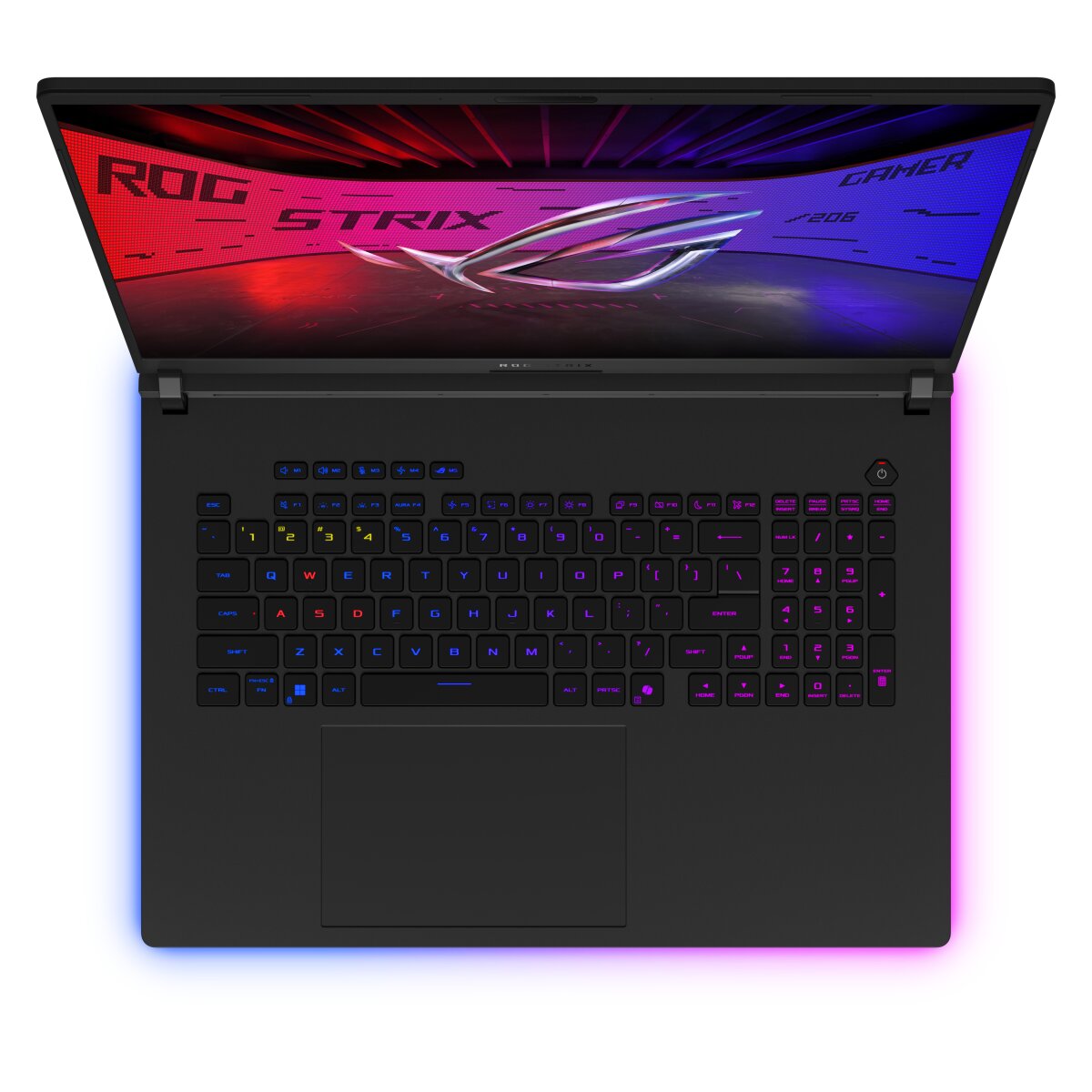
The ASUS ROG Strix SCAR 18 G835LX features DDR5-SDRAM memory upgrade specifications with two SO-DIMM slots supporting maximum capacity of 64 GB RAM. The laptop is compatible with DDR5 memory modules operating at 5600 MHz frequency. Specifications indicate SO-DIMM form factor memory for upgrade compatibility. The G835LX model accommodates DDR5-SDRAM upgrades across dual memory slots, enabling users to expand RAM capacity up to the maximum 64 GB configuration for enhanced system performance and multitasking capabilities.
Memory Upgrade Specifications
| Specification | Value |
|---|---|
| Memory slots | 2x SO-DIMM |
| Form factor | SO-DIMM |
| Memory type | DDR5-SDRAM |
| Frequency | 5600 MHz |
| Maximum RAM | 64 GB |
| Voltage | 1.1V |
| Number of pins | 262-pin |
| Interface | PC5 |
| PC Speed Rating | PC5-5600 (PC5-44800) |
| Bandwidth | 44.8 GB/s |
Additional Notes
- The presence of 2 SO-DIMM slots ensures the capability for dual-channel memory configurations which significantly improves bandwidth compared to single-channel setups.
- Upgrading the ASUS ROG G835LX to the maximum 64 GB capacity necessitates the removal of all pre-installed modules because no additional unoccupied slots exist.
- The 5600 MHz frequency reflects a high-speed DDR5 standard that requires matching module speeds to avoid a system-wide downclocking to the lowest common denominator.
- Physical installation is limited to small outline modules which are not compatible with desktop-class DIMM hardware due to pin count and voltage differences.
- Memory modules must support specific JEDEC profiles to achieve the rated 5600 MHz speed automatically without manual BIOS adjustments which are often restricted in laptop environments.
- High-density 32 GB modules are required in both slots to reach the peak memory ceiling of 64 GB for the platform.
- DDR5 architecture integrates on-die ECC and local power management integrated circuits which increases the thermal output of the RAM under heavy workloads compared to legacy DDR4 standards.