ASUS ROG G835LX-SA100W RAM upgrade specifications

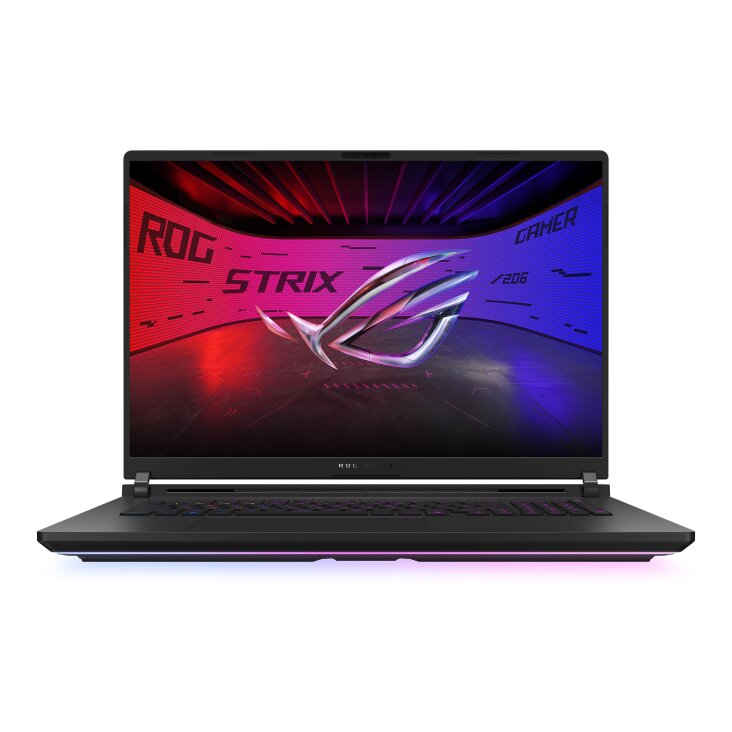


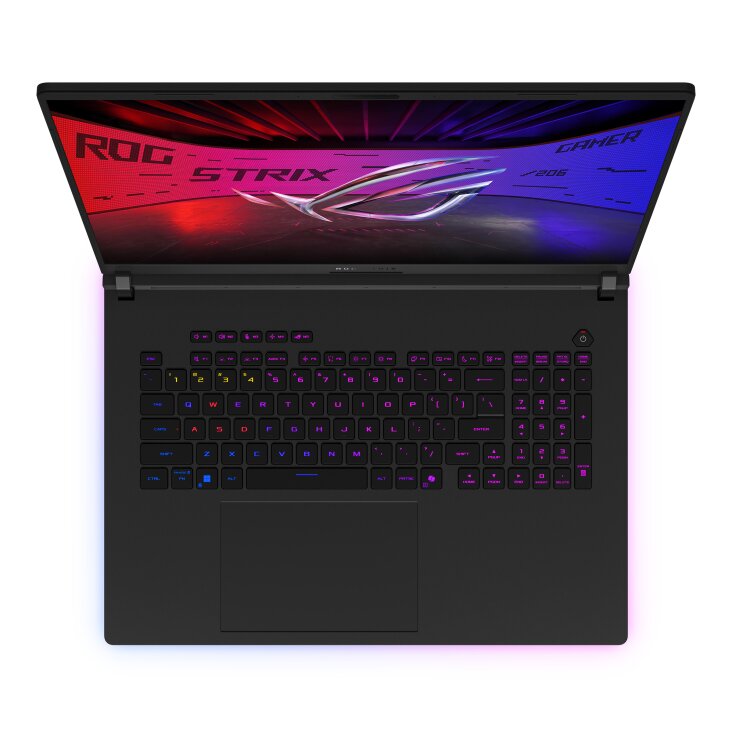
The ASUS ROG Strix SCAR 18 G835LX-SA100W laptop features DDR5-SDRAM memory configuration with 2x SO-DIMM slots supporting maximum capacity of 64 GB total RAM. Memory upgrade specifications indicate DDR5-SDRAM modules operating at 5600 MHz frequency. Compatible memory modules must utilize SO-DIMM form factor. Maximum supported memory upgrade capacity reaches 64 GB when both upgrade slots are populated with DDR5-SDRAM modules meeting frequency and compatibility specifications.
Memory Upgrade Specifications
| Specification | Value |
|---|---|
| Memory slots | 2x SO-DIMM |
| Form factor | SO-DIMM |
| Memory type | DDR5-SDRAM |
| Frequency | 5600 MHz |
| Maximum RAM | 64 GB |
| Voltage | 1.1V |
| Number of pins | 262-pin |
| Interface | PC5 |
| PC Speed Rating | PC5-5600 (PC5-44800) |
| Bandwidth | 44.8 GB/s |
Additional Notes
- The DDR5-5600 specification indicates this ASUS ROG G835LX-SA100W operates on JEDEC standard voltage of 1.1V, eliminating compatibility issues with modules requiring legacy DDR4 voltages.
- SO-DIMM slots limit thermal headroom compared to full-size DIMMs, making passive cooling reliance critical for sustained 5600 MHz operation under extended workloads.
- The 64 GB ceiling requires 2x 32 GB module pairing, as no single SO-DIMM exceeds this density in DDR5 format at time of typical gaming laptop production cycles.
- Dual-channel architecture mandates matched module capacities to avoid reverting to asymmetric mode, which halves effective bandwidth despite total capacity increases.
- DDR5's on-die ECC operates independently of system-level error correction, providing silent bit error mitigation without BIOS visibility or logging capabilities.
- 5600 MHz native speed suggests Intel 12th-generation or AMD Ryzen 7000-series platform compatibility, as earlier chipsets lack official support beyond 4800 MHz without overclocking.
- Module rank configuration affects interleaving efficiency, with dual-rank 32 GB sticks typically outperforming single-rank alternatives in memory-intensive rendering or compilation tasks.
- JEDEC-compliant modules auto-configure via SPD chip parameters, while XMP 3.0 profiles require manual BIOS activation to exceed base 5600 MHz specifications.
- SO-DIMM retention clips apply lateral pressure during installation, necessitating even force distribution to prevent slot damage or incomplete seating detection failures.
- Warranty preservation typically requires avoiding BIOS voltage adjustments beyond auto-negotiated values, as manual tuning may trigger tamper flags in firmware logs.
- Mixed-brand modules introduce subtiming mismatches that force motherboard controllers to default to lowest common denominator speeds, negating advertised frequency advantages.
- The 2-slot limitation prevents future expansion beyond initial upgrade capacity, requiring immediate investment in maximum-density modules for long-term sufficiency.