ASUS ROG G835LX-SA153-GAMING RAM upgrade specifications




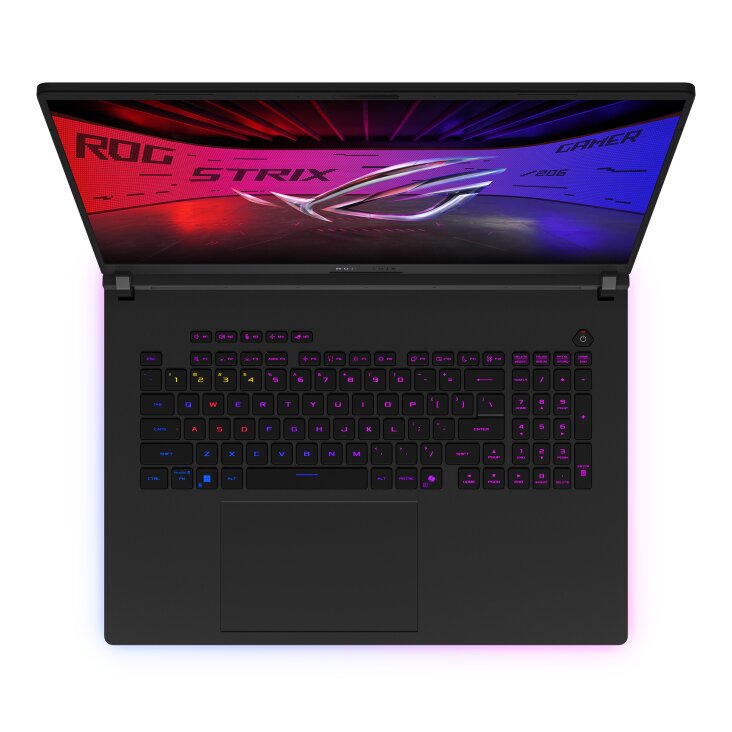
ASUS ROG Strix SCAR 18 G835LX-SA153-GAMING laptop features DDR5-SDRAM memory upgrade specifications. The system contains 2x SO-DIMM slots for memory expansion. Maximum compatible RAM capacity reaches 64 GB total. Memory modules operate at 5600 MHz frequency. SO-DIMM form factor specifications define the physical dimensions and compatibility requirements for RAM upgrades on this gaming laptop model.
Memory Upgrade Specifications
| Specification | Value |
|---|---|
| Memory slots | 2x SO-DIMM |
| Form factor | SO-DIMM |
| Memory type | DDR5-SDRAM |
| Frequency | 5600 MHz |
| Maximum RAM | 64 GB |
| Voltage | 1.1V |
| Number of pins | 262-pin |
| Interface | PC5 |
| PC Speed Rating | PC5-5600 (PC5-44800) |
| Bandwidth | 44.8 GB/s |
Additional Notes
- The DDR5-SDRAM memory architecture in this ASUS ROG G835LX-SA153-GAMING operates on a dual-channel configuration through its 2 SO-DIMM slots, requiring matched pairs for optimal bandwidth utilization of up to 89.6 GB/s theoretical throughput.
- The 64 GB maximum capacity constraint means each slot supports up to 32 GB modules, which limits future proofing as DDR5 technology evolves toward higher density chips.
- The 5600 MHz frequency specification represents the official JEDEC standard for this platform, though actual performance depends on CPU memory controller capabilities and motherboard trace design tolerances.
- SO-DIMM form factor compatibility restricts users to laptop-specific memory modules, which typically carry a 15-25% price premium over desktop DIMM equivalents with identical specifications.
- DDR5 voltage regulation occurs on-module through a power management integrated circuit (PMIC), shifting thermal considerations from motherboard to RAM stick and potentially affecting sustained performance under extended workloads.
- Mixing memory modules with different latency timings or rank configurations, even at matching frequency, can force the system to downclock to the lowest common denominator specification.
- The dual-slot limitation means capacity upgrades require complete replacement of existing modules rather than incremental additions, impacting cost efficiency for staged upgrade strategies.
- DDR5's higher frequency compared to DDR4 predecessors increases susceptibility to signal integrity issues from improper seating, requiring firm and even pressure during installation to ensure gold contact alignment.
- Warranty preservation typically requires avoiding XMP/EXPO overclocked profiles in favor of JEDEC standard speeds, as manufacturer support often excludes instability from non-stock memory configurations.
- The physical keying notch position on DDR5 SO-DIMMs differs from DDR4, providing mechanical incompatibility that prevents accidental installation of incorrect generation modules.