ASUS ROG G835LX-SA168W RAM upgrade specifications
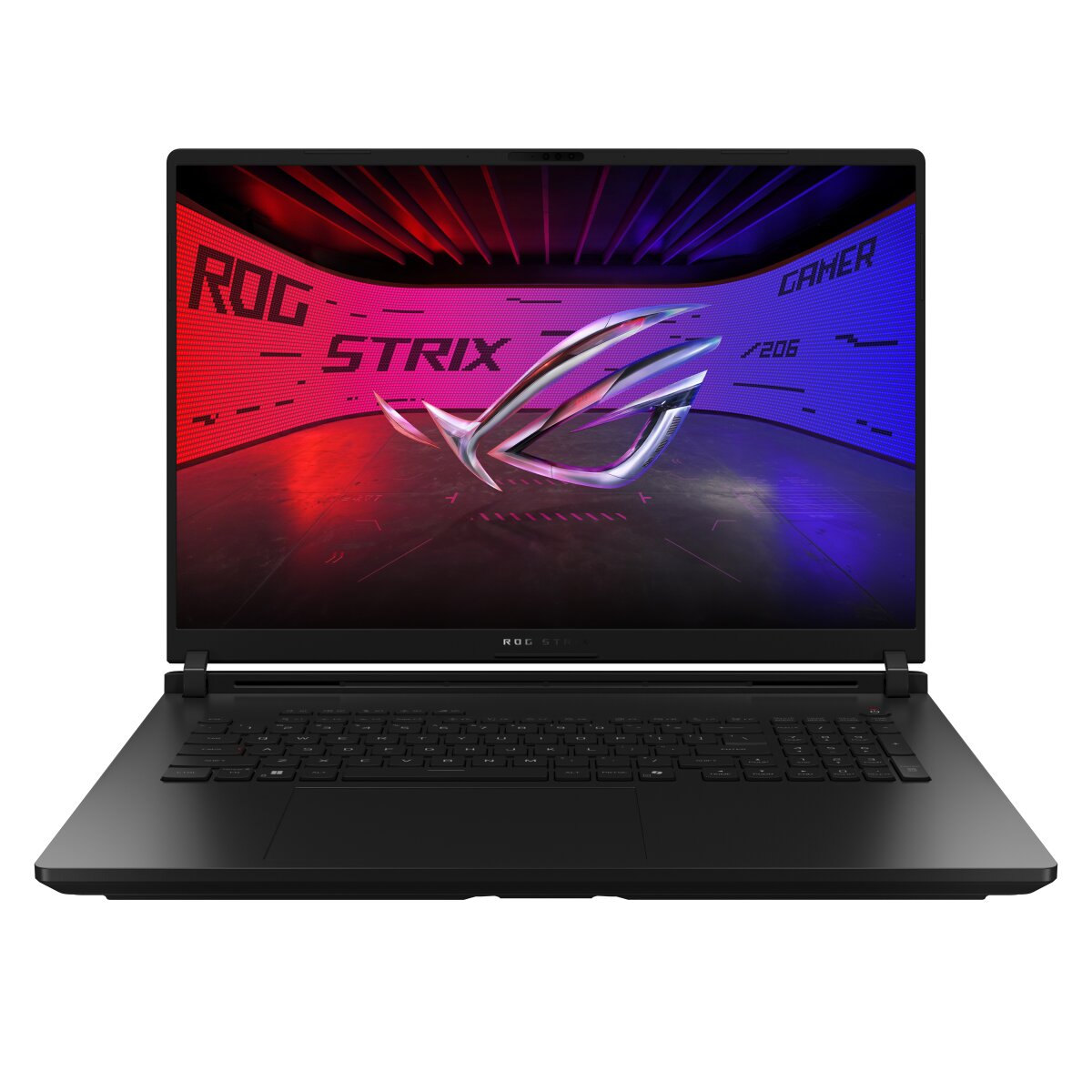
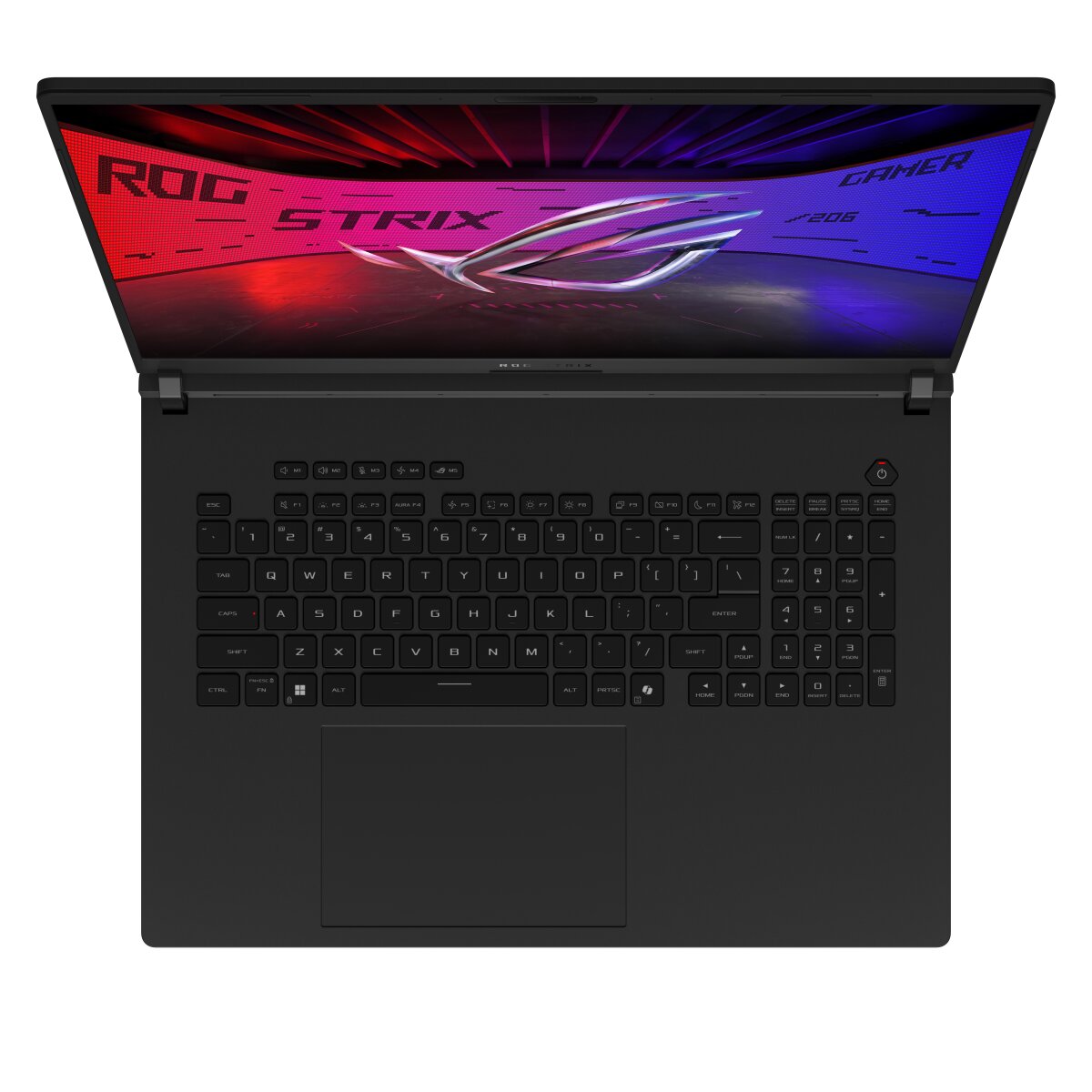
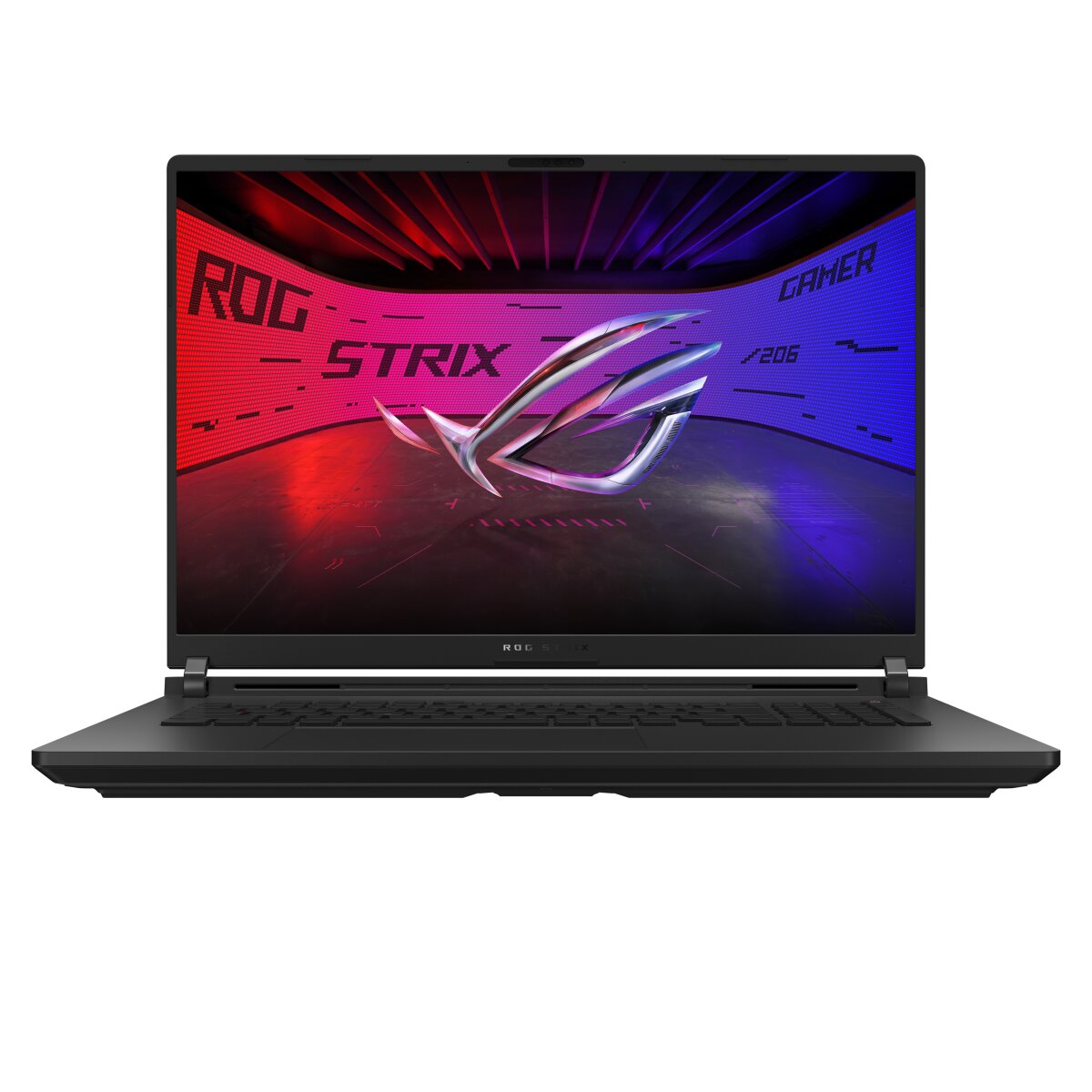
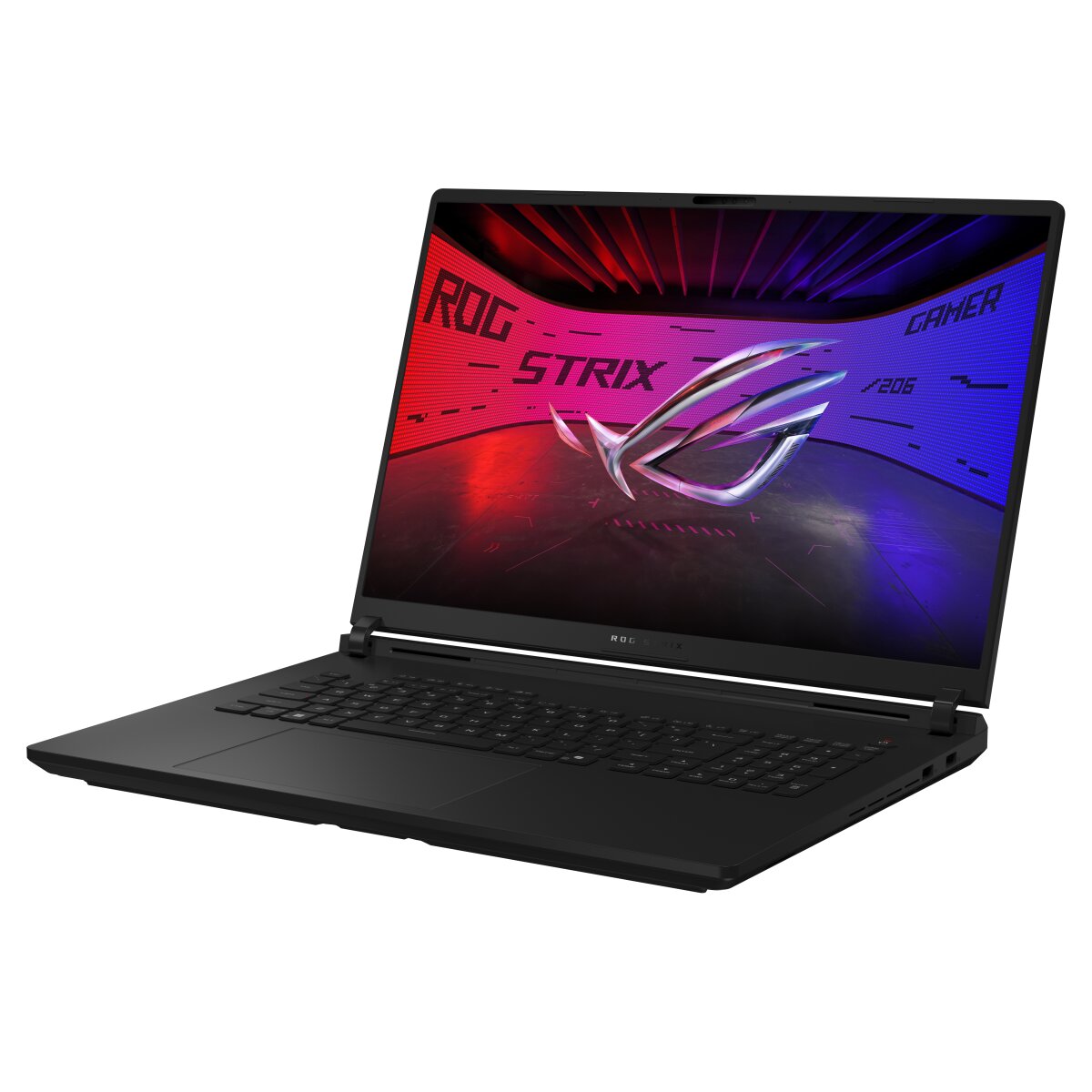
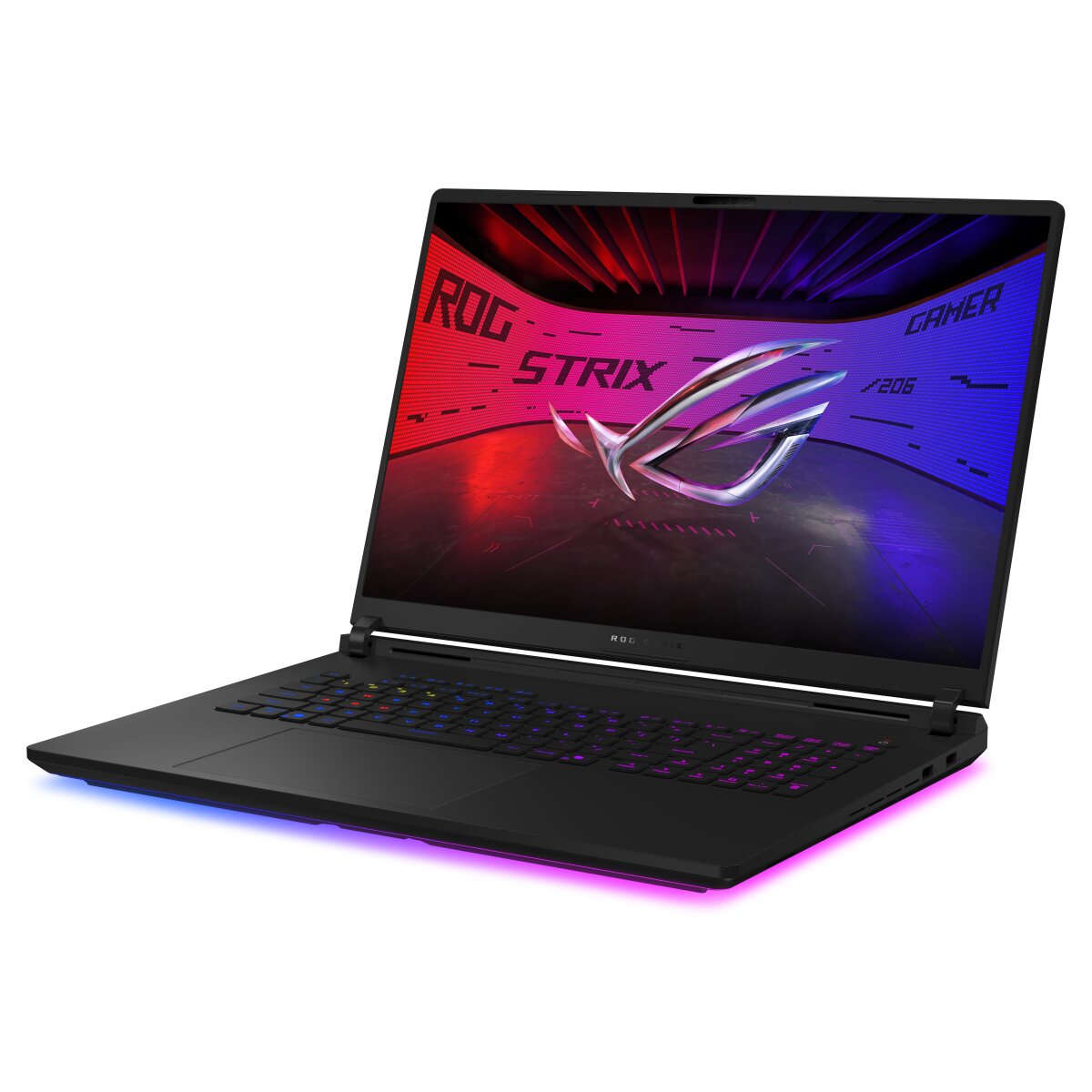
ASUS ROG Strix SCAR 18 model G835LX-SA168W features DDR5-SDRAM memory configuration with two SO-DIMM slots supporting maximum RAM capacity of 64 GB. Memory upgrade specifications include DDR5-SDRAM modules operating at 5600 MHz frequency. Compatible memory modules utilize SO-DIMM form factor. Upgrade slots accommodate DDR5 memory for performance enhancement. Maximum memory capacity reaches 64 GB when utilizing fully populated slots with compatible DDR5-SDRAM modules.
Memory Upgrade Specifications
| Specification | Value |
|---|---|
| Memory slots | 2x SO-DIMM |
| Form factor | SO-DIMM |
| Memory type | DDR5-SDRAM |
| Frequency | 5600 MHz |
| Maximum RAM | 64 GB |
| Voltage | 1.1V |
| Number of pins | 262-pin |
| Interface | PC5 |
| PC Speed Rating | PC5-5600 (PC5-44800) |
| Bandwidth | 44.8 GB/s |
Additional Notes
- The dual slot configuration allows for the utilization of dual-channel memory architecture, which doubles the theoretical bandwidth between the memory controller and the CPU compared to single-channel setups.
- Upgrading the ASUS ROG G835LX-SA168W requires the removal of existing modules if both slots are currently occupied, as there are no additional vacant headers for expansion beyond the 2 designated areas.
- Operating at 5600 MHz necessitates high-efficiency thermal management because DDR5 modules with elevated frequencies generate more heat during sustained high-load tasks like video rendering or gaming.
- Reaching the 64 GB threshold involves installing 2 matched 32 GB modules to ensure system stability and prevent timing discrepancies that often occur when mixing different integrated circuit densities.
- The choice of SO-DIMM over soldered memory ensures that the hardware remains serviceable and avoids total motherboard replacement in the event of a single memory chip failure.
- Power consumption characteristics of DDR5 allow for lower voltage operation at 1.1V, which marginally extends battery life during mobile use compared to older DDR4 technologies with similar throughput.
- Future-proofing for professional creative applications is achievable since 64 GB provides sufficient overhead for 4K timeline scrubbing and large-scale virtual machine orchestration without triggering disk swapping.