ASUS ROG G835LX-XS97 RAM upgrade specifications
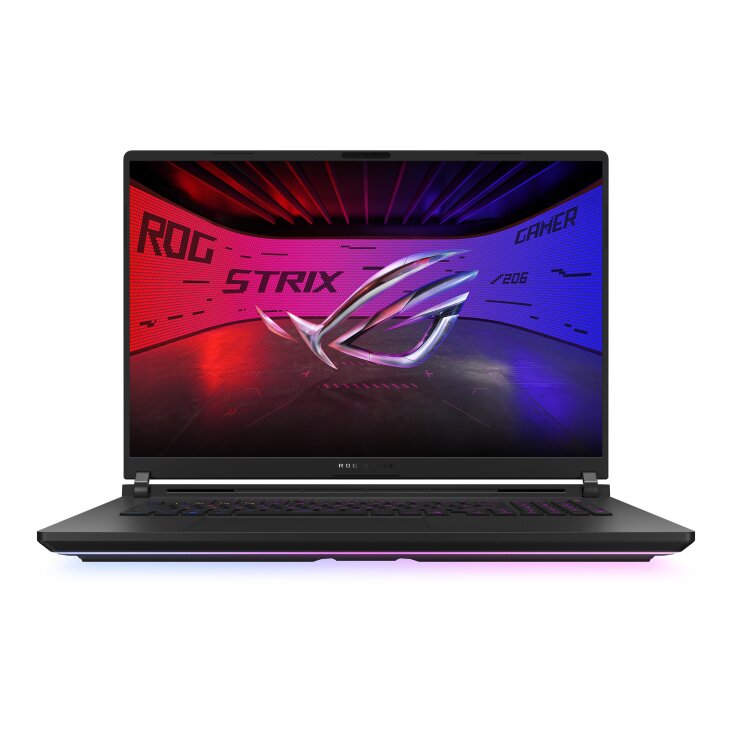
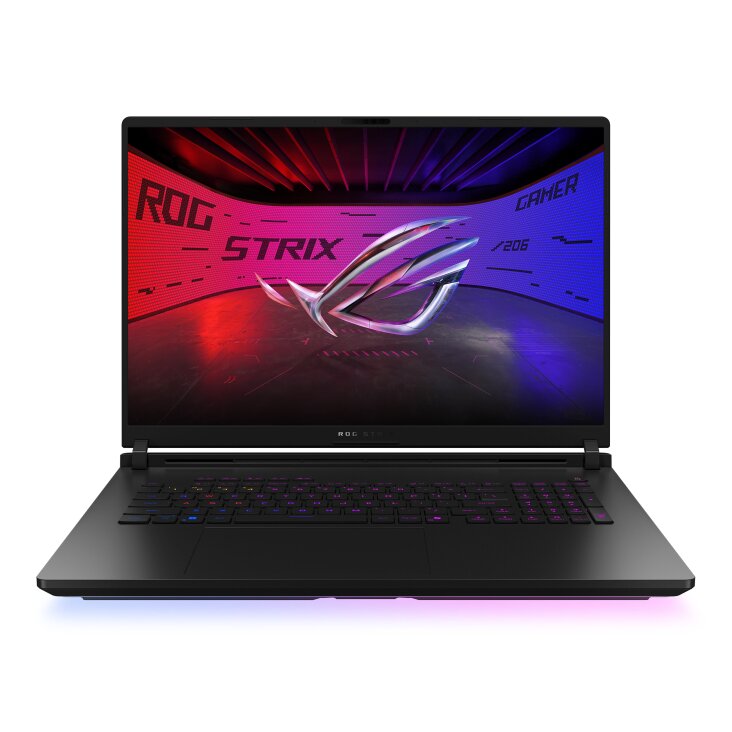
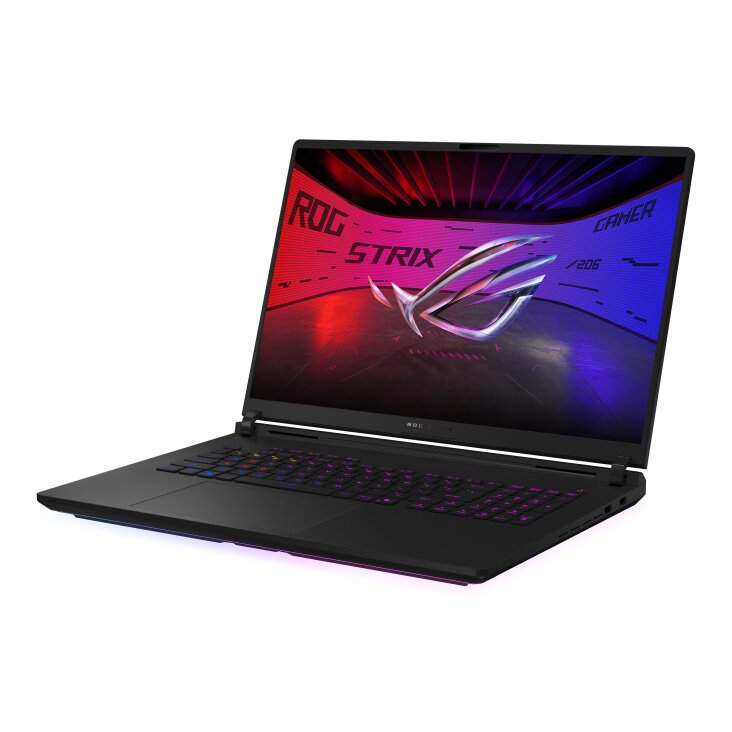
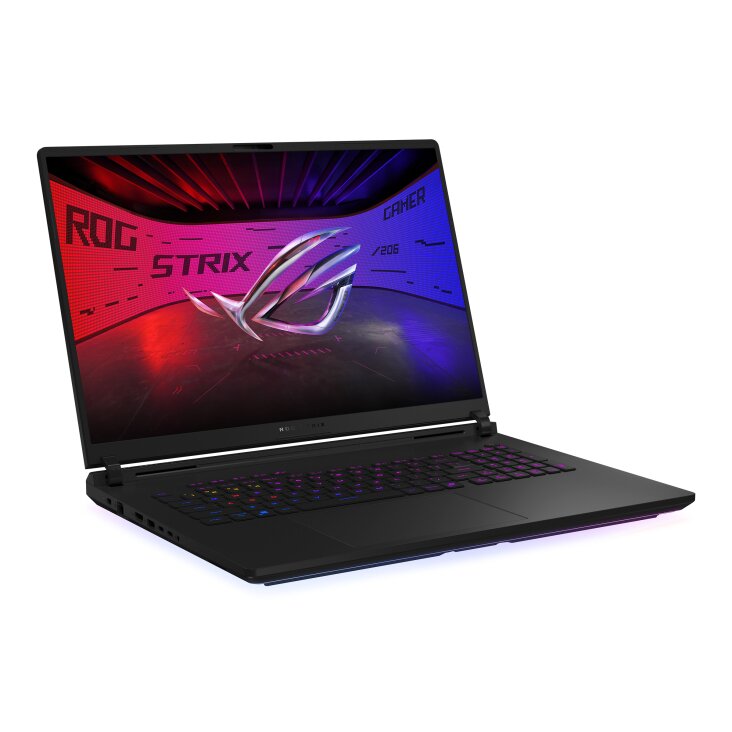
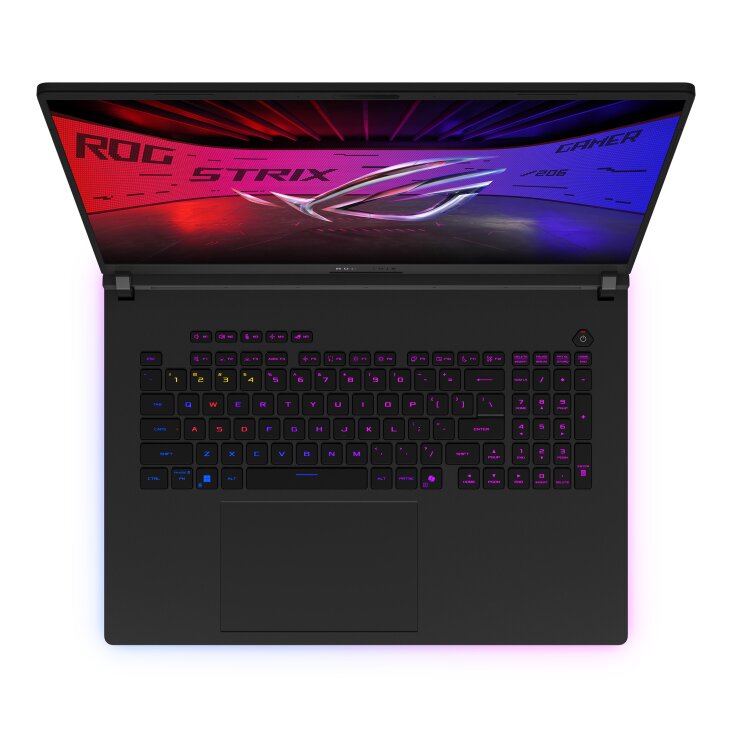
ASUS ROG Strix SCAR 18 G835LX-XS97 laptop features two SO-DIMM slots supporting DDR5-SDRAM memory at 5600 MHz frequency. Maximum RAM capacity reaches 64 GB for this gaming model. Compatible memory upgrades utilize SO-DIMM form factor specifications. Current memory specifications and upgrade slots accommodate DDR5 technology for enhanced performance compatibility.
Memory Upgrade Specifications
| Specification | Value |
|---|---|
| Memory slots | 2x SO-DIMM |
| Form factor | SO-DIMM |
| Memory type | DDR5-SDRAM |
| Frequency | 5600 MHz |
| Maximum RAM | 64 GB |
| Voltage | 1.1V |
| Number of pins | 262-pin |
| Interface | PC5 |
| PC Speed Rating | PC5-5600 (PC5-44800) |
| Bandwidth | 44.8 GB/s |
Additional Notes
- The ASUS ROG G835LX-XS97 accepts only DDR5 modules, making DDR4 memory from previous generation laptops incompatible due to different notch positions and voltage requirements.
- The 64 GB ceiling requires 2 matched 32 GB modules since only 2 slots exist, eliminating the option to mix different capacity modules while reaching maximum configuration.
- SO-DIMM form factor restricts compatibility to laptop-specific modules, as standard desktop DIMM memory physically cannot fit the smaller socket design.
- Native 5600 MHz frequency support allows backward compatibility with lower-speed DDR5 modules, though the system will downclock faster memory to match the lowest installed module speed.
- Dual-channel architecture depends on populating both slots with identical specifications to avoid reverting to single-channel mode, which halves memory bandwidth.
- The DDR5 standard operates at 1.1 volts compared to DDR4's 1.2 volts, preventing voltage-based overclocking common in older platforms.
- Memory replacement maintains user-serviceable status in most regions, though accessing slots may require bottom panel removal and potential thermal pad disturbance near heat-generating components.
- JEDEC-standard modules ensure broader compatibility than XMP-profile memory, which may require BIOS support to achieve advertised speeds beyond base specifications.
- Asymmetric configurations pairing different capacities will function but disable flex mode benefits, resulting in reduced performance compared to matched pairs.
- The 5600 MHz speed represents a generational bandwidth improvement of approximately 75% over DDR4-3200, benefiting integrated graphics and memory-intensive applications.