ASUS ROG SCAR18-G834JY-N6007W RAM upgrade specifications




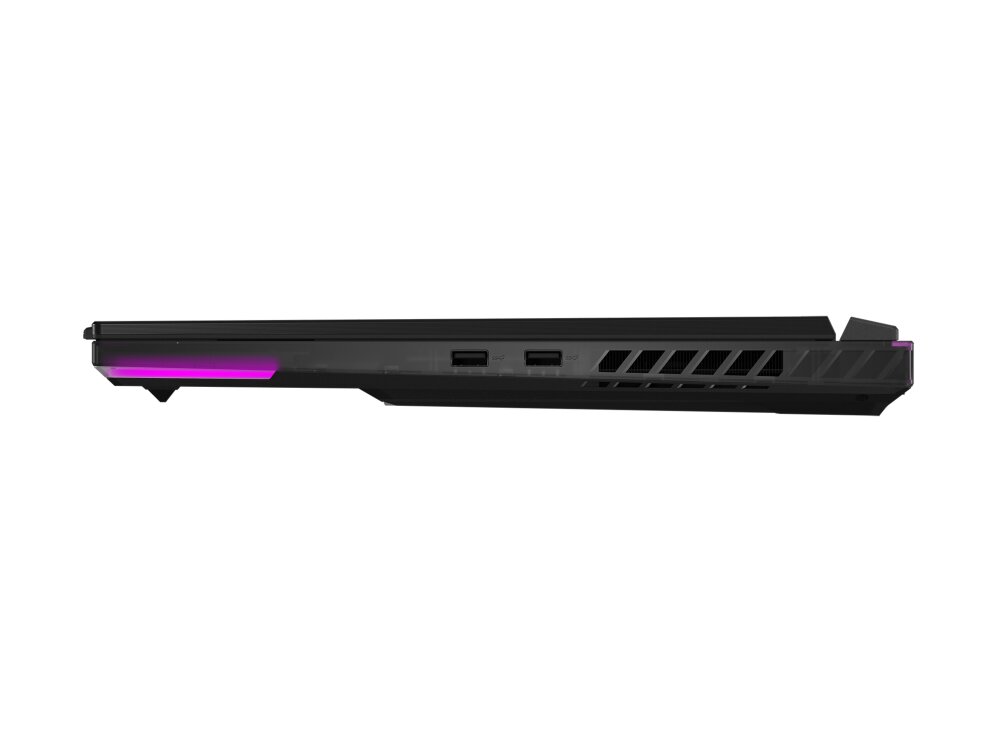
ASUS ROG Strix SCAR 18 model SCAR18-G834JY-N6007W features DDR5-SDRAM memory upgrade specifications with 2x SO-DIMM slots supporting maximum RAM capacity of 64 GB. Compatible memory operates at 4800 MHz frequency using SO-DIMM form factor. The laptop accommodates DDR5 memory modules for system expansion and performance enhancement through dual memory slots.
Memory Upgrade Specifications
| Specification | Value |
|---|---|
| Memory slots | 2x SO-DIMM |
| Form factor | SO-DIMM |
| Memory type | DDR5-SDRAM |
| Frequency | 4800 MHz |
| Maximum RAM | 64 GB |
| Voltage | 1.1V |
| Number of pins | 262-pin |
| Interface | PC5 |
| PC Speed Rating | PC5-4800 (PC5-38400) |
| Bandwidth | 38.4 GB/s |
| Laptop Release date | 03 April 2023 |
Additional Notes
- The 2 SO-DIMM slot configuration means maximum capacity expansion is constrained to 64 GB total; adding a single module will leave one slot populated and one empty, creating asymmetrical memory population that may reduce dual-channel efficiency until both slots are filled.
- DDR5-4800 MHz operation requires compatible SO-DIMM modules rated for DDR5 specifications; DDR4 SO-DIMMs are physically incompatible with the ASUS ROG SCAR18-G834JY-N6007W and will not function if installed.
- SO-DIMM form factor limits upgrade options to laptop-grade memory modules, which typically carry price premiums of 15-25 percent compared to desktop DDR5-UDIMM equivalents at identical capacity and speed ratings.
- Warranty coverage remains intact for DDR5-4800 SO-DIMM upgrades from manufacturers on the system compatibility list; third-party or non-listed modules may void memory-related warranty claims despite physical compatibility.
- The 64 GB maximum ceiling accommodates current high-end gaming and content creation workloads but provides limited headroom for future memory-intensive applications if software demands continue escalating beyond 2026.
- Installing modules rated above 4800 MHz will downclock to the system's native frequency ceiling; paying for higher-speed SO-DIMMs delivers no performance gain on this platform.
- Thermal constraints in the SO-DIMM slot area may reduce effective lifespan of modules with tall heat spreaders; low-profile designs prioritize longevity in compact chassis configurations.