ASUS ROG G712LU-EV002T-BE RAM upgrade specifications
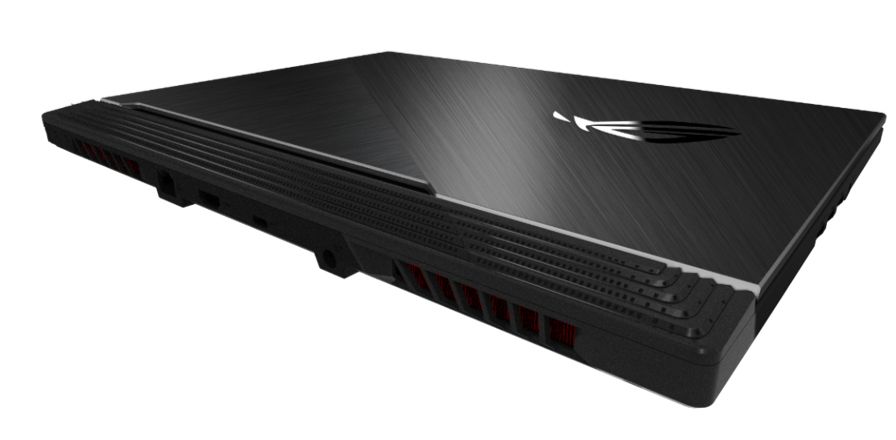
The ASUS ROG Strix G712LU-EV002T-BE features DDR4-SDRAM memory upgrade specifications with 2x SO-DIMM slots supporting a maximum RAM capacity of 32 GB. Compatible memory modules operate at 3200 MHz frequency. The laptop accommodates SO-DIMM form factor upgrades, enabling users to expand memory beyond factory-installed specifications for enhanced multitasking performance and gaming capabilities.
Memory Upgrade Specifications
| Specification | Value |
|---|---|
| Memory slots | 2x SO-DIMM |
| Form factor | SO-DIMM |
| Memory type | DDR4-SDRAM |
| Frequency | 3200 MHz |
| Maximum RAM | 32 GB |
| Voltage | 1.2V |
| Number of pins | 260-pin |
| Interface | PC4 |
| PC Speed Rating | PC4-3200 (PC4-25600) |
| Bandwidth | 25.6 GB/s |
| Laptop Release date | 18 March 2020 |
Additional Notes
- The ASUS ROG G712LU-EV002T-BE uses SO-DIMM slots instead of standard DIMM, which limits module availability compared to desktop systems and typically results in higher cost per gigabyte.
- The 32 GB maximum capacity constraint means dual-channel configuration is limited to 2x16 GB modules, preventing future expansion beyond this ceiling regardless of workload requirements.
- DDR4-3200 represents the highest JEDEC standard speed for DDR4 SO-DIMM, meaning compatibility with higher frequency modules exists but actual operation will downclock to 3200 MHz.
- The 2-slot configuration forces immediate decisions on final capacity since partial upgrades (adding a single module to an existing one) create mismatched pairs that can disable dual-channel mode or cause stability issues.
- Processor memory controller compatibility must be verified before installing 32 GB total capacity, as some mobile CPUs impose lower maximum supported capacities despite motherboard capabilities.
- SO-DIMM installation in gaming laptops often requires complete disassembly of the bottom panel and potentially voiding warranty seals, unlike business laptops with dedicated RAM access doors.
- Mixing modules with different latency timings (CL ratings) will force all modules to operate at the slowest common timing, reducing effective bandwidth even when frequency matches.
- Non-ECC unbuffered modules are required, as SO-DIMM slots in consumer laptops lack the electrical architecture for error-correcting or registered memory types.
- Thermal considerations become critical at maximum capacity, since 2x16 GB configurations generate more heat than lower density modules in the confined laptop chassis.
- Voltage specification must remain at the DDR4 standard of 1.2V, as gaming laptop power delivery systems are not designed for enthusiast low-voltage or overclocking-oriented modules rated at different voltages.