ASUS ROG G712LU-EV111T RAM upgrade specifications
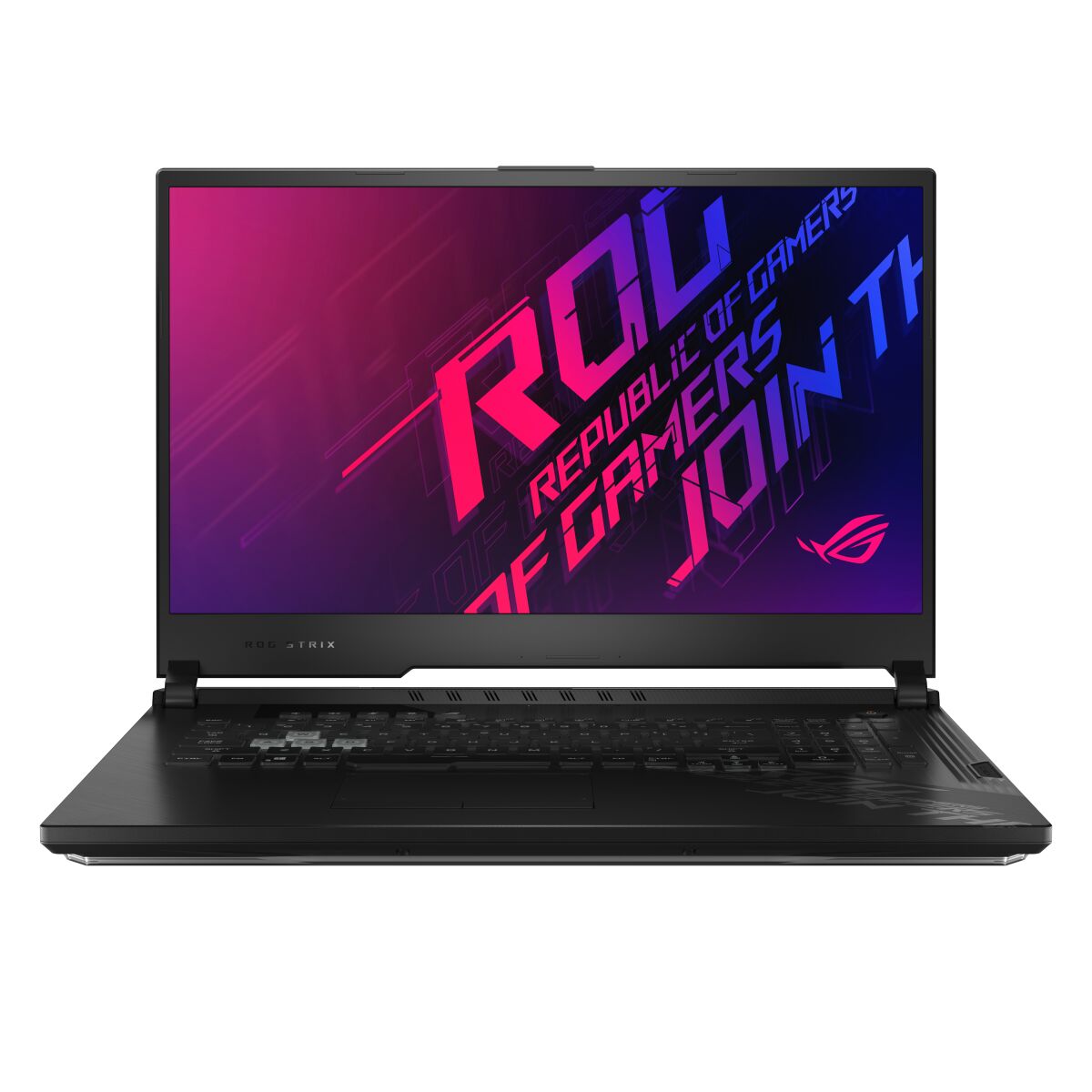

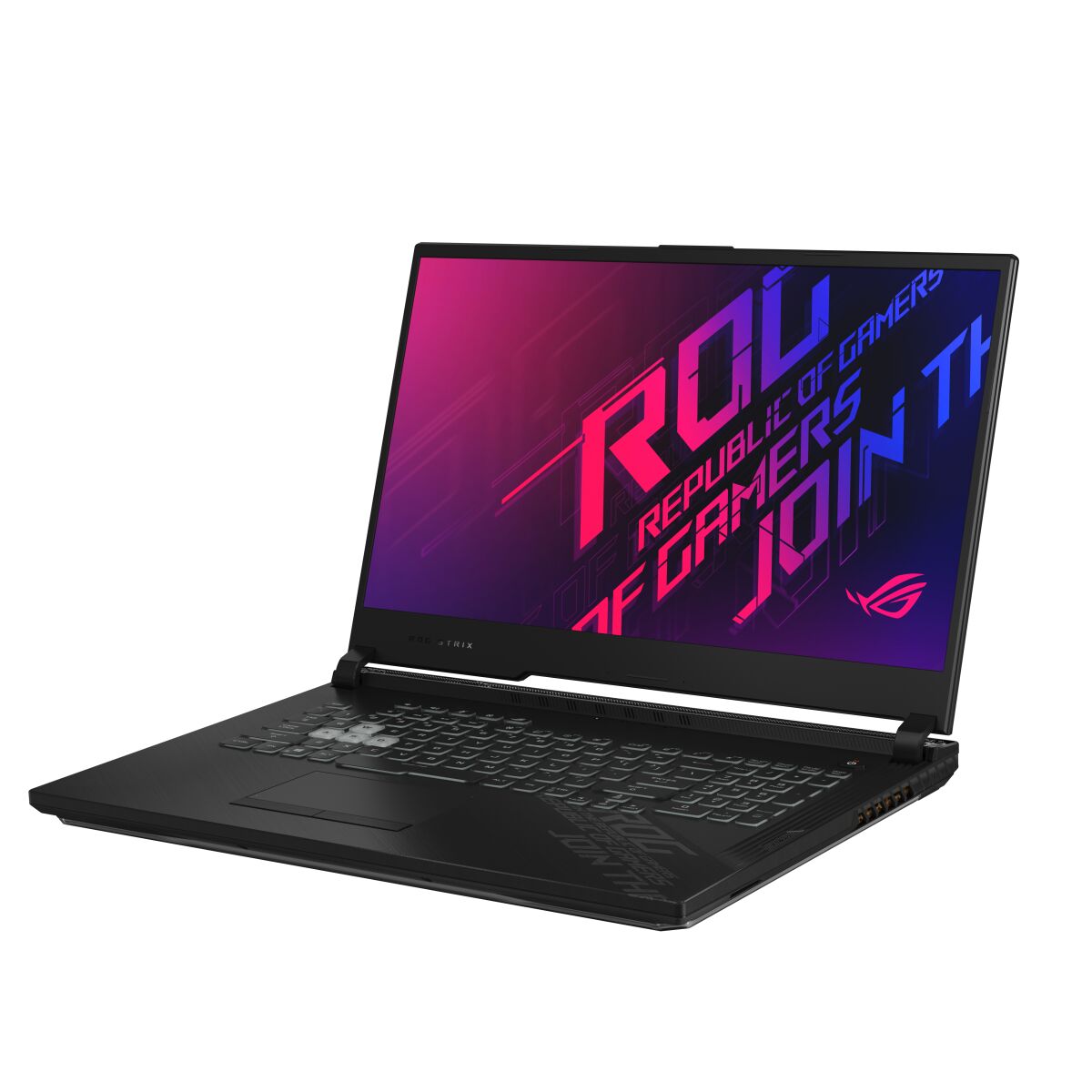
The ASUS ROG Strix G712LU-EV111T laptop features two SO-DIMM slots supporting DDR4-SDRAM memory modules. The system accommodates a maximum RAM capacity of 32 GB total, with compatible memory operating at 3200 MHz frequency. RAM upgrade specifications indicate each slot accepts individual modules for system memory expansion and enhancement of multitasking performance.
Memory Upgrade Specifications
| Specification | Value |
|---|---|
| Memory slots | 2x SO-DIMM |
| Form factor | SO-DIMM |
| Memory type | DDR4-SDRAM |
| Frequency | 3200 MHz |
| Maximum RAM | 32 GB |
| Voltage | 1.2V |
| Number of pins | 260-pin |
| Interface | PC4 |
| PC Speed Rating | PC4-3200 (PC4-25600) |
| Bandwidth | 25.6 GB/s |
| Laptop Release date | 16 January 2021 |
Additional Notes
- The ASUS ROG G712LU-EV111T accepts only SO-DIMM modules, which excludes standard desktop DIMM memory despite both using DDR4 technology.
- The 32 GB maximum capacity translates to a practical limit of 16 GB per slot when fully populated, as no commercially available SO-DIMM modules exceed this density in DDR4.
- The 3200 MHz frequency specification indicates support for DDR4-3200 (PC4-25600) modules, which deliver 25.6 GB/s theoretical bandwidth per channel in dual-channel configuration.
- Installing modules slower than 3200 MHz will force the entire memory subsystem to operate at the lower speed due to JEDEC specification requirements.
- The dual-slot configuration requires matched pairs for optimal dual-channel operation, as mismatched capacities or timings may result in single-channel mode or reduced performance.
- Access to SO-DIMM slots typically requires removal of the bottom panel, which may void warranty seals depending on regional warranty terms.
- Higher frequency modules such as DDR4-3600 may physically install but will downclock to 3200 MHz, as the memory controller enforces the maximum supported frequency.
- Mixing different brands or latency timings across the 2 slots can cause POST failures or force the system to apply conservative JEDEC fallback timings.
- The memory controller architecture determines actual sustained bandwidth, which may fall below theoretical maximum due to command overhead and refresh cycles inherent to DDR4.
- Voltage compatibility requires standard 1.2V DDR4 modules, as low-voltage or overclocking variants rated at different voltages may cause stability issues or refuse to initialize.