ASUS ROG G712LV-EV010T-LU RAM upgrade specifications


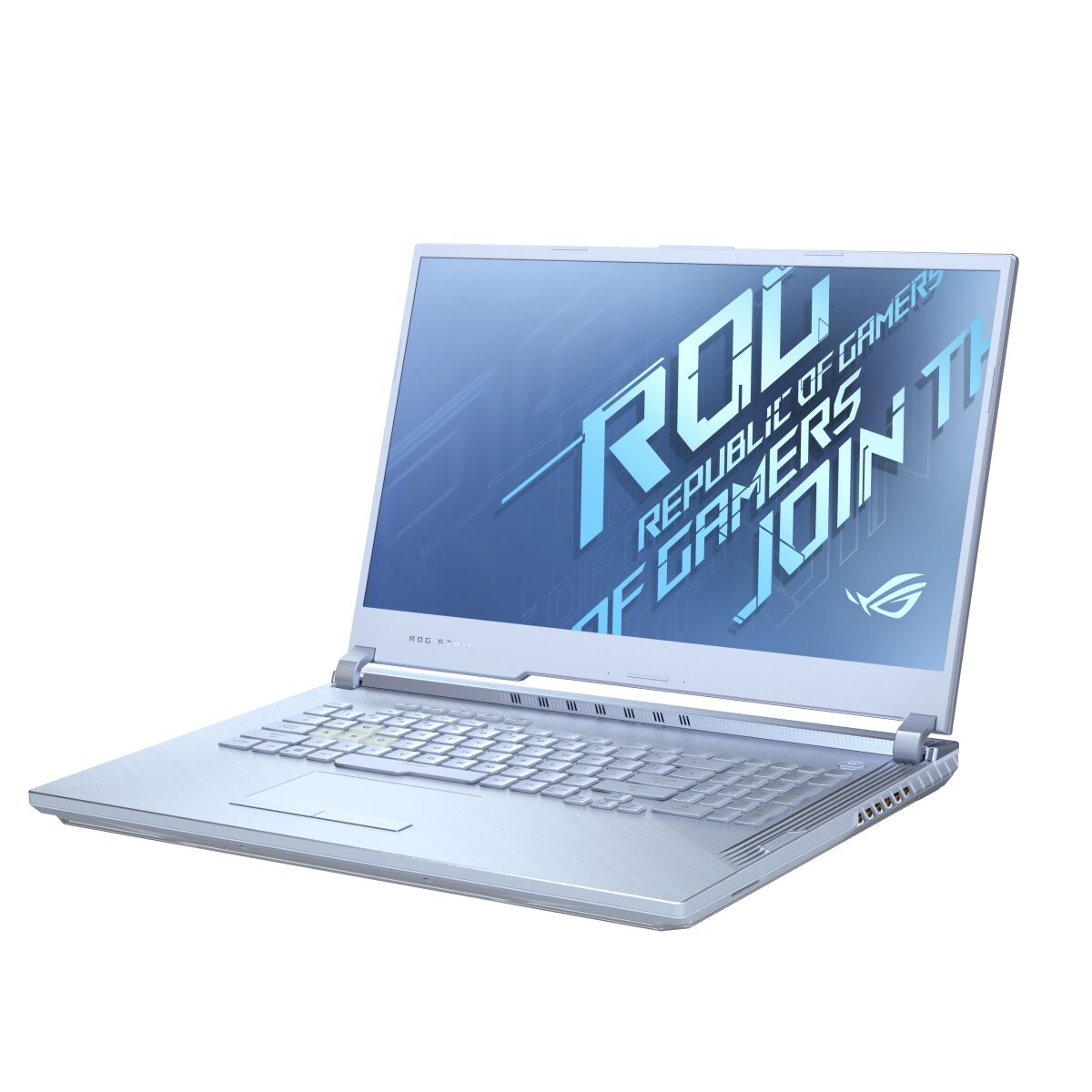
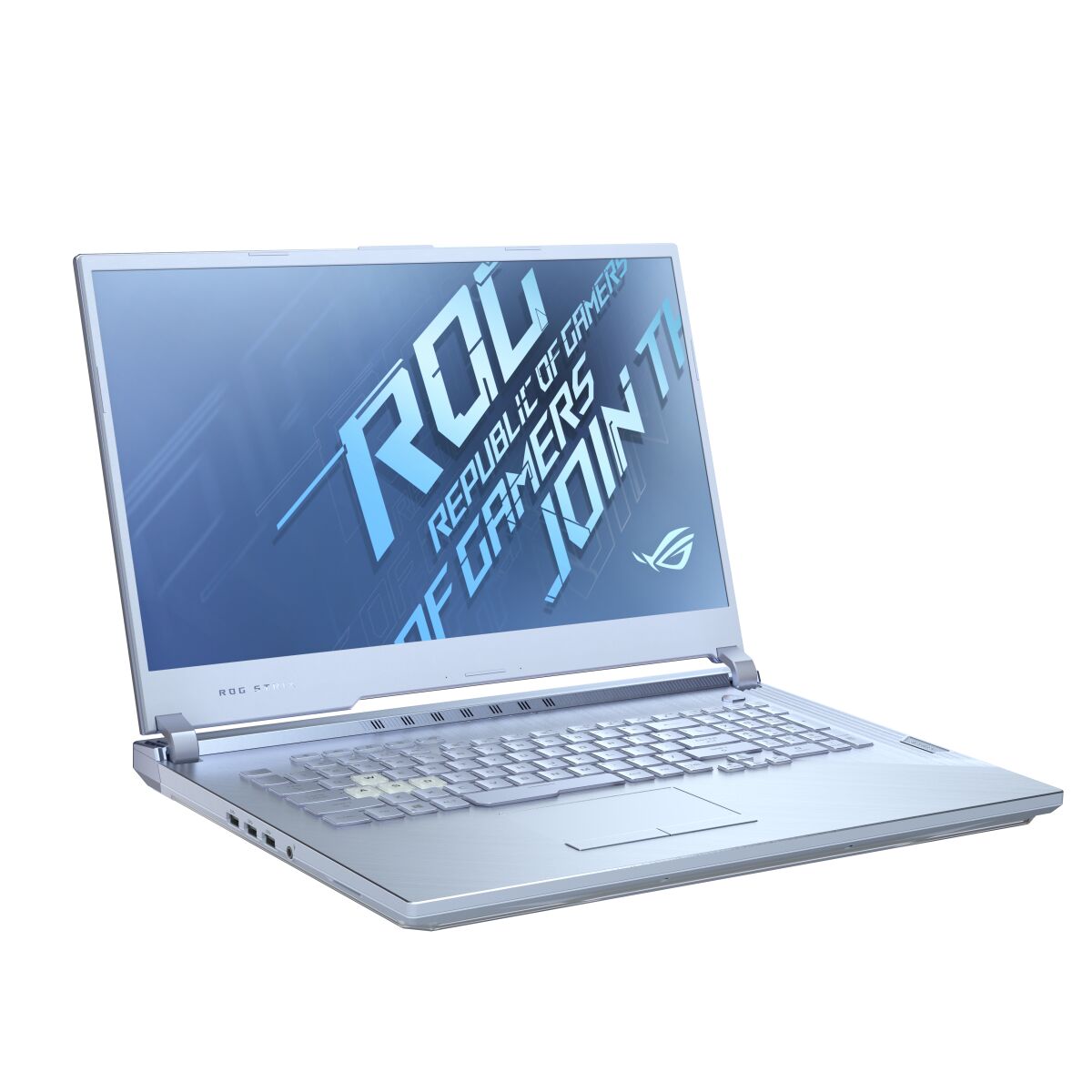
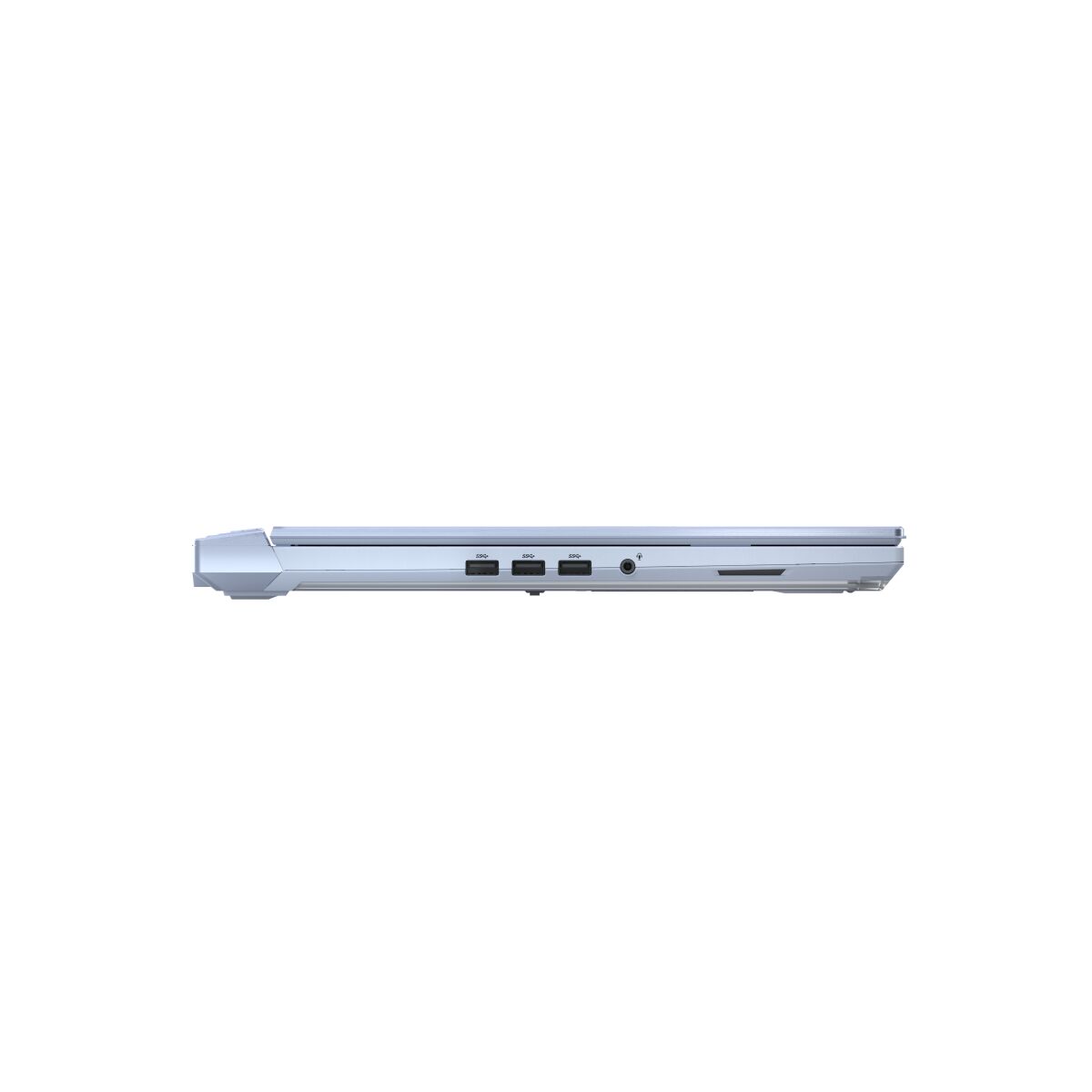
ASUS ROG Strix G712LV-EV010T-LU memory upgrade specifications feature DDR4-SDRAM technology with two SO-DIMM slots supporting maximum capacity of 32 GB RAM. Compatible modules operate at 3200 MHz frequency. Upgrade slots accommodate standard SO-DIMM form factor memory modules. Specifications enable users to expand the laptop's memory configuration to enhance multitasking performance and application responsiveness.
Memory Upgrade Specifications
| Specification | Value |
|---|---|
| Memory slots | 2x SO-DIMM |
| Form factor | SO-DIMM |
| Memory type | DDR4-SDRAM |
| Frequency | 3200 MHz |
| Maximum RAM | 32 GB |
| Voltage | 1.2V |
| Number of pins | 260-pin |
| Interface | PC4 |
| PC Speed Rating | PC4-3200 (PC4-25600) |
| Bandwidth | 25.6 GB/s |
| Laptop Release date | 15 April 2020 |
Additional Notes
- The ASUS ROG G712LV-EV010T-LU supports only 2 memory slots, restricting upgrade flexibility to a single additional DIMM installation if one slot remains occupied, or complete module replacement if both slots are populated.
- DDR4-3200 MHz compatibility establishes a hard ceiling on memory performance; newer DDR5 modules or faster DDR4 variants will not function, constraining future standardization paths.
- SO-DIMM form factor indicates a mobile form factor with physical space constraints; standard UDIMM modules cannot be substituted, requiring sourcing of laptop-specific memory modules.
- The 32 GB capacity ceiling creates a finite upgrade runway; systems approaching this limit cannot accommodate additional RAM-dependent workloads without architectural changes to storage or processing distribution.
- SO-DIMM installation typically requires removal of the bottom panel rather than dedicated memory access doors; thermal paste and dust management during reinstallation affects subsequent thermal performance if not executed carefully.
- Mixing memory modules of different capacities or timings within the 2-slot configuration may trigger reduced performance through single-channel operation or timing fallback, even when total capacity remains within specifications.
- Memory frequency negotiation occurs at system boot; BIOS settings lock frequency to 3200 MHz by default, and manual overclocking may void manufacturer warranty coverage for thermal or stability incidents.