ASUS ROG G712LV-EV023T-BE RAM upgrade specifications
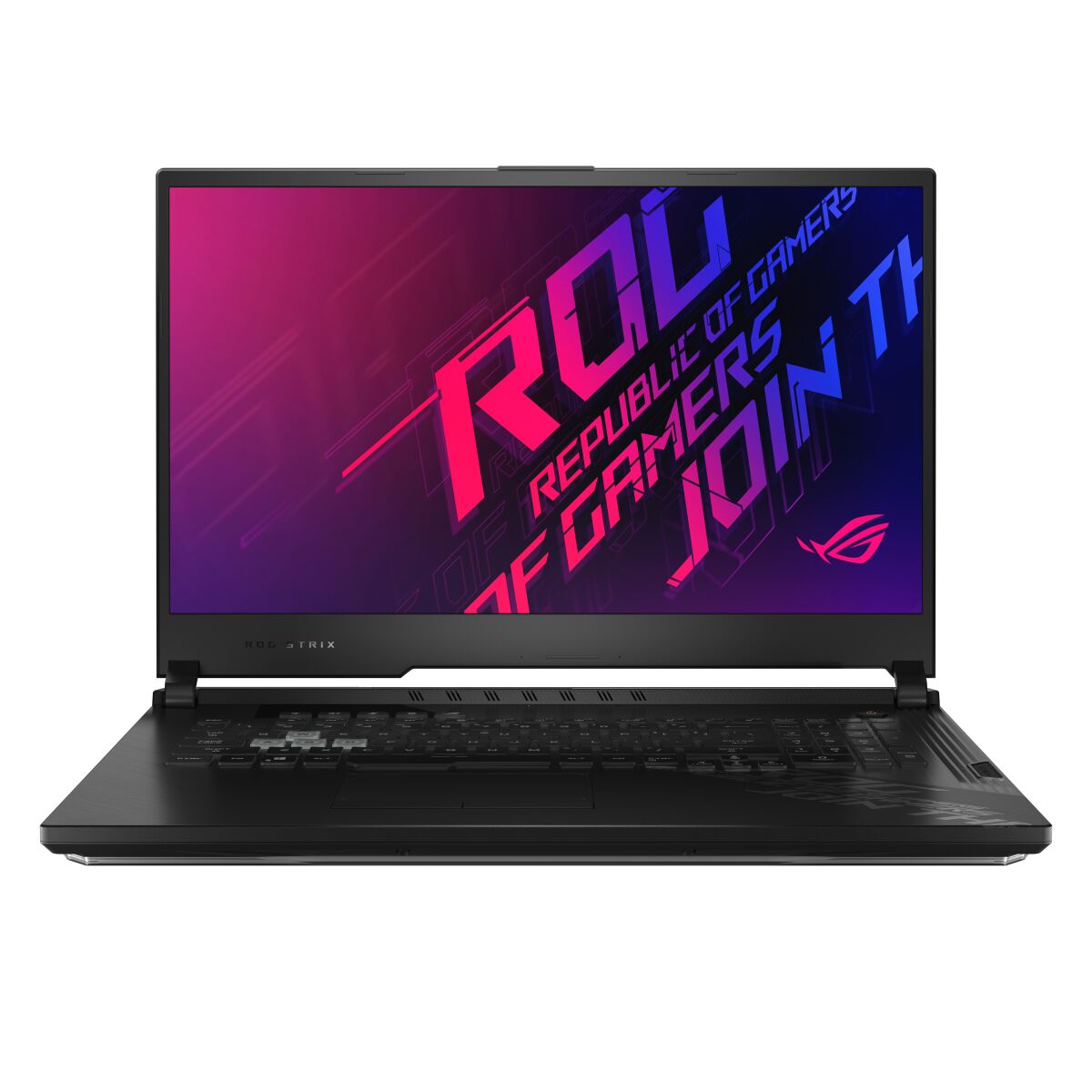




The ASUS ROG Strix G712LV-EV023T-BE laptop features DDR4-SDRAM memory upgrade specifications. The system contains 2x SO-DIMM slots for RAM expansion. Maximum memory capacity reaches 32 GB total. Compatible upgrades utilize SO-DIMM form factor modules operating at 2933 MHz frequency. The specifications enable flexible memory configurations to enhance system performance through RAM expansion slots available in the G712LV-EV023T-BE model.
Memory Upgrade Specifications
| Specification | Value |
|---|---|
| Memory slots | 2x SO-DIMM |
| Form factor | SO-DIMM |
| Memory type | DDR4-SDRAM |
| Frequency | 2933 MHz |
| Maximum RAM | 32 GB |
| Voltage | 1.2V |
| Number of pins | 260-pin |
| Interface | PC4 |
| PC Speed Rating | PC4-2933 (PC4-23464) |
| Bandwidth | 23.5 GB/s |
| Laptop Release date | 10 July 2020 |
Additional Notes
- The ASUS ROG G712LV-EV023T-BE memory controller limits total capacity to 32 GB across both slots, requiring 16 GB modules in each position to reach maximum configuration.
- The 2933 MHz specification represents the highest supported frequency, meaning faster modules will downclock to this speed regardless of their rated specifications.
- SO-DIMM form factor modules measure 69.6 mm in length compared to standard 133.35 mm desktop DIMMs, making desktop memory physically incompatible with this chassis.
- Both memory slots share bandwidth through the dual-channel controller, meaning single-slot operation reduces theoretical throughput by approximately 50 percent compared to matched dual-channel configuration.
- DDR4 voltage specifications require 1.2V standard modules, as higher voltage performance variants may cause thermal throttling or system instability in laptop thermal envelopes.
- Intel's 10th generation mobile platform in this model enforces JEDEC timing standards, making XMP profile modules function at base specifications rather than overclocked timings.
- Module height exceeding standard SO-DIMM specifications may create physical interference with the keyboard assembly or thermal cooling components during installation.
- Mixing different module capacities between slots maintains functionality but forces the system into flex mode, reducing dual-channel efficiency in asymmetric memory regions.
- ECC memory modules are incompatible with this consumer-grade platform, as the memory controller lacks error correction functionality regardless of module capabilities.
- Access to SO-DIMM slots typically requires bottom panel removal, which may affect warranty status depending on regional service policies and seal integrity.
- Operating the system with mismatched module speeds forces all memory to run at the lowest common frequency, negating any performance benefit from higher-rated modules.
- The 2933 MHz native frequency operates at PC4-23466 bandwidth rating, delivering 23.466 GB/s theoretical throughput per channel under ideal conditions.