ASUS ROG G712LV-EV047T RAM upgrade specifications
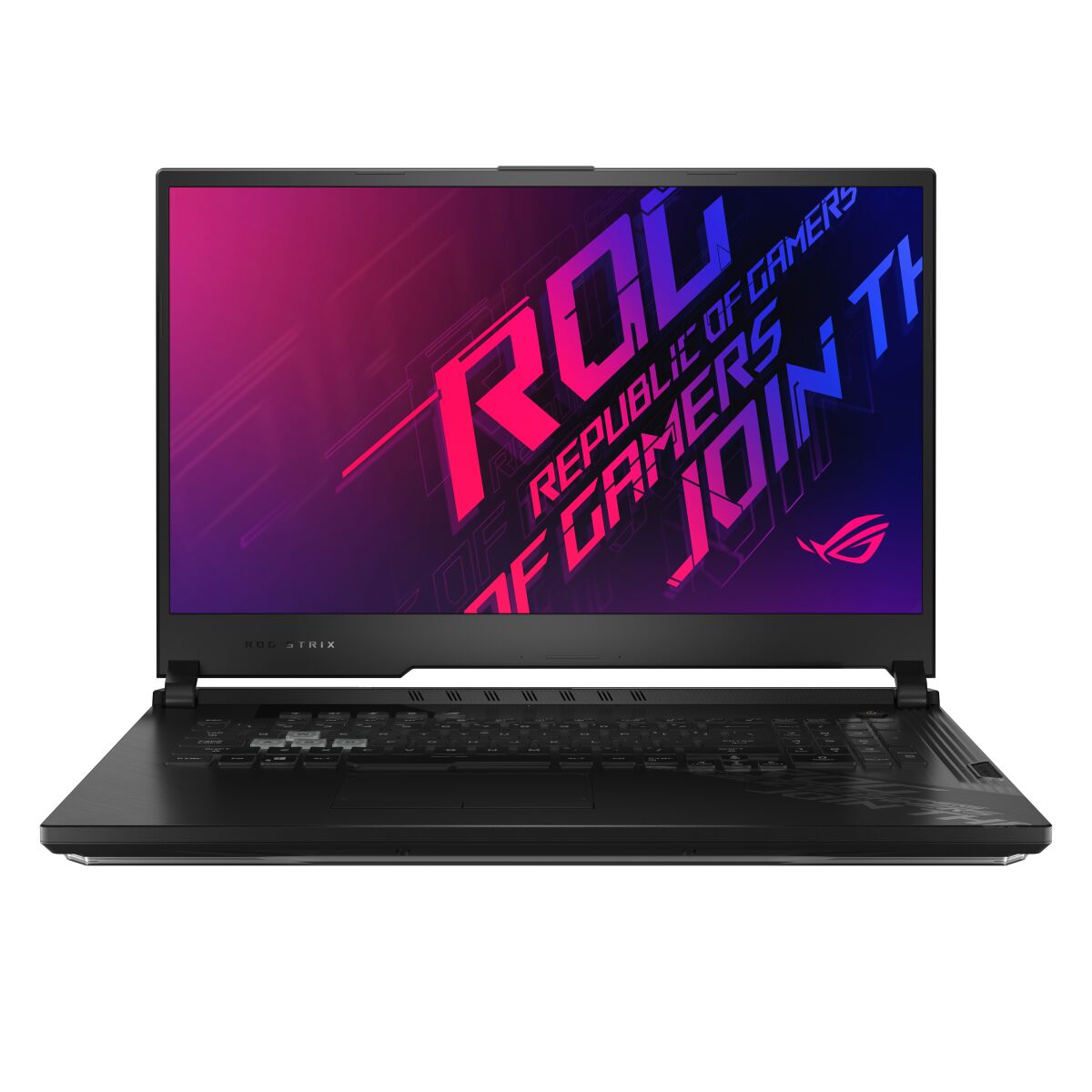
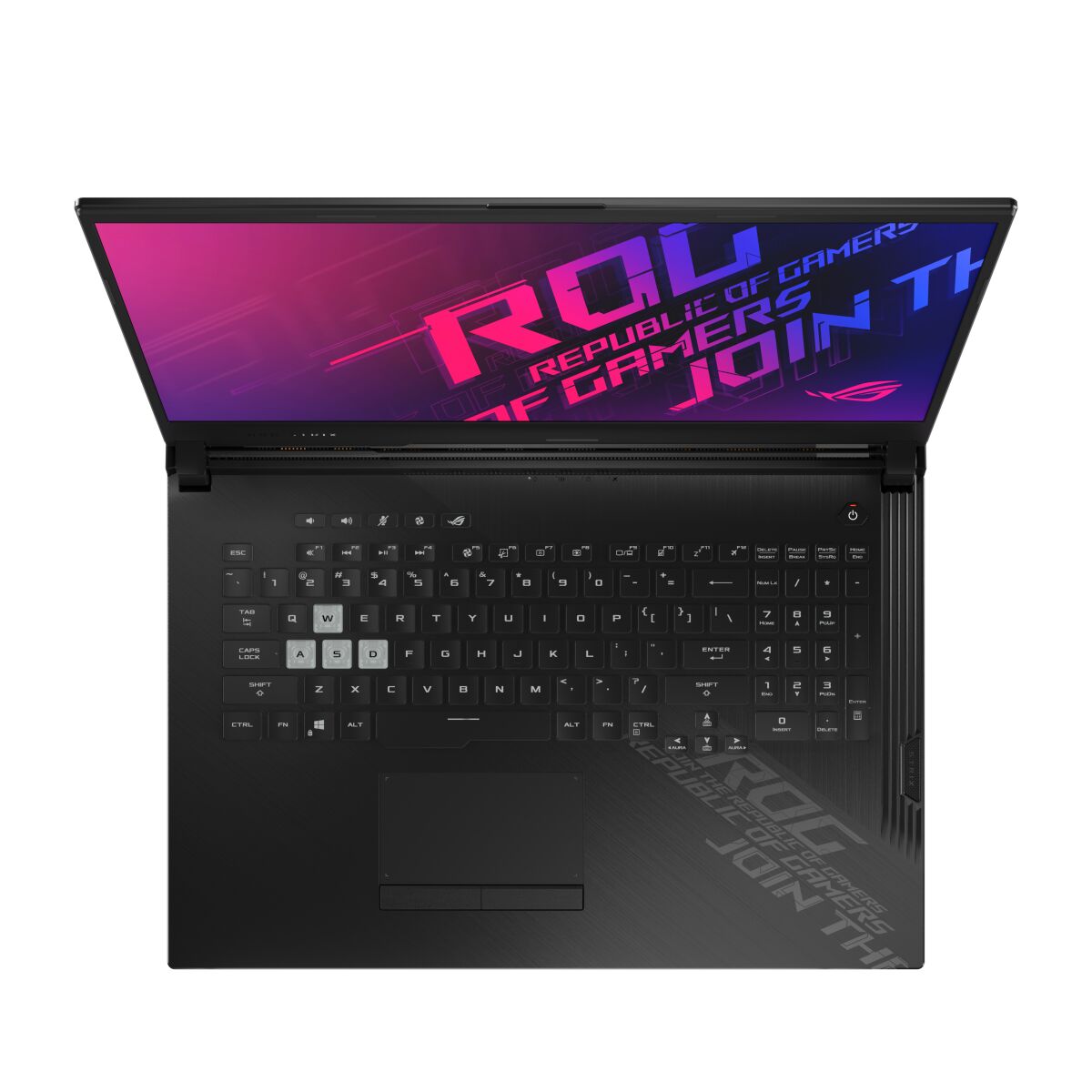
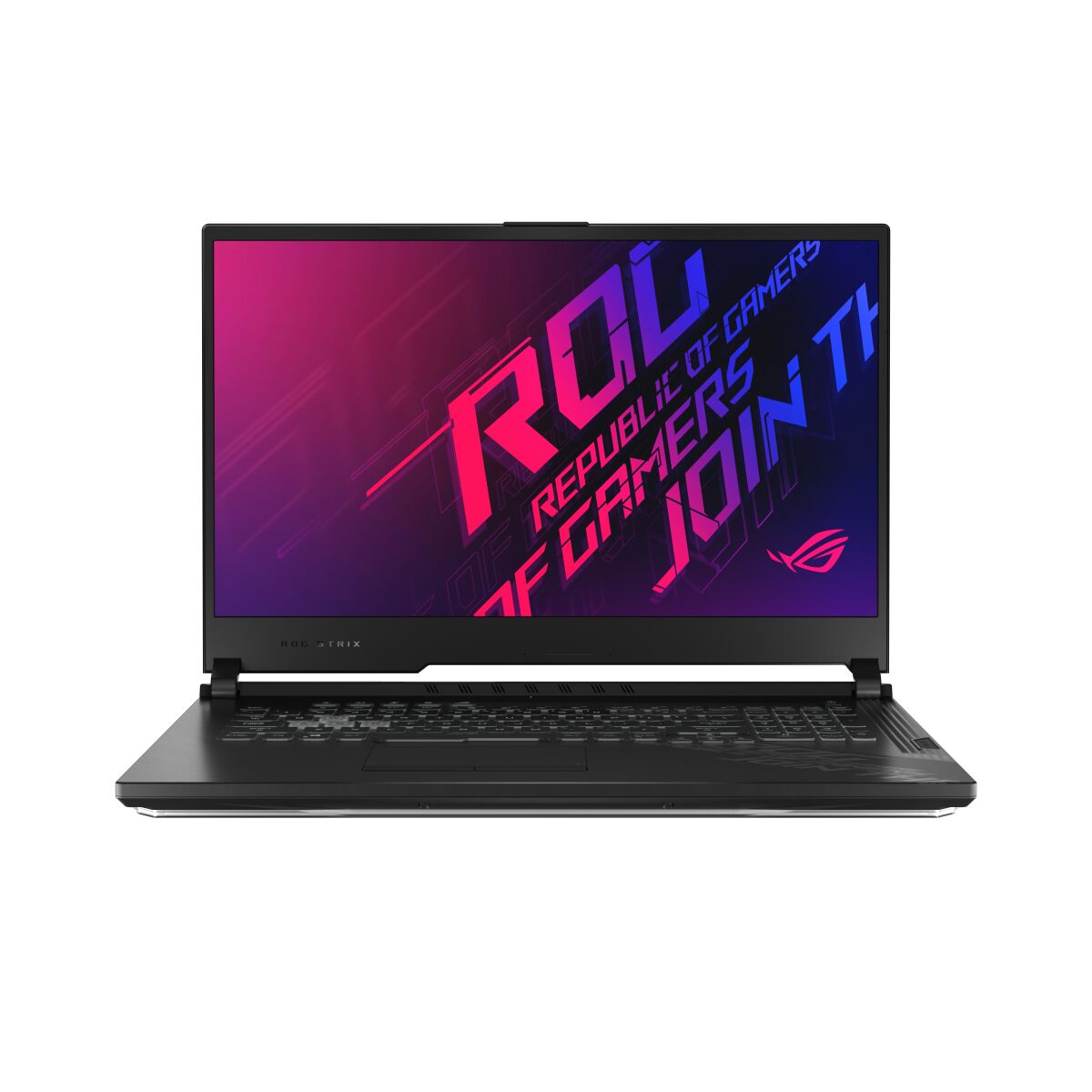
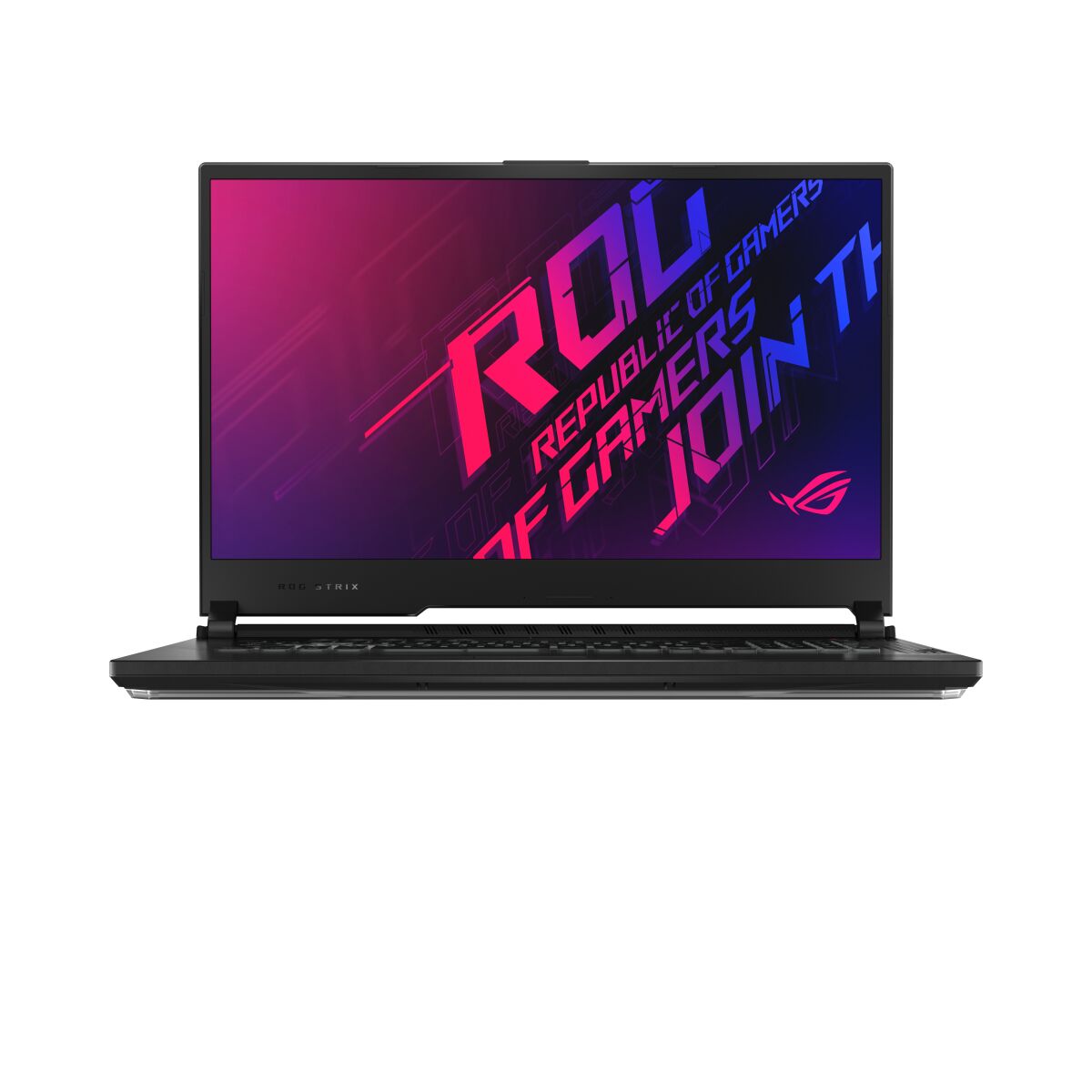
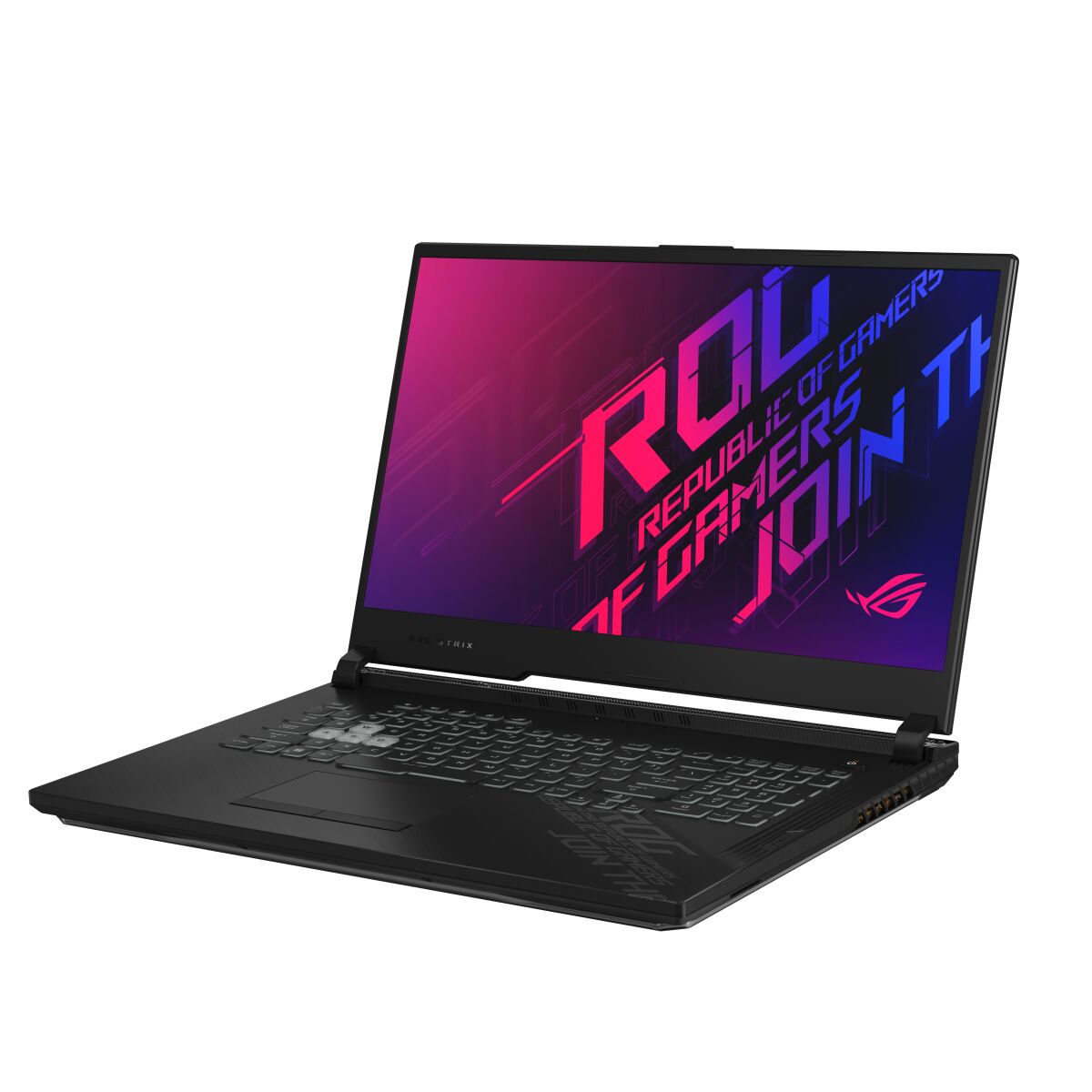
ASUS ROG Strix G712LV-EV047T RAM upgrade specifications include DDR4-SDRAM memory compatible with 2x SO-DIMM slots. Maximum memory capacity reaches 32 GB total. Compatible RAM operates at 3200 MHz frequency. Upgrade options support standard SO-DIMM form factor modules. Specifications enable users to expand memory beyond factory configuration for enhanced multitasking and gaming performance.
Memory Upgrade Specifications
| Specification | Value |
|---|---|
| Memory slots | 2x SO-DIMM |
| Form factor | SO-DIMM |
| Memory type | DDR4-SDRAM |
| Frequency | 3200 MHz |
| Maximum RAM | 32 GB |
| Voltage | 1.2V |
| Number of pins | 260-pin |
| Interface | PC4 |
| PC Speed Rating | PC4-3200 (PC4-25600) |
| Bandwidth | 25.6 GB/s |
| Laptop Release date | 05 June 2020 |
Additional Notes
- The ASUS ROG G712LV-EV047T uses laptop-standard SO-DIMM form factor memory, which requires removal of the bottom panel and typically involves disconnecting the battery for safe access to the dual slots.
- DDR4-3200 modules are widely available at competitive pricing, but mixing modules of different speeds will force all installed memory to operate at the slowest module's frequency, creating potential performance regression if paired with lower-spec alternatives.
- The 32 GB ceiling represents a hard architectural limit imposed by the platform's memory controller; exceeding this capacity will result in non-recognition of additional modules regardless of slot availability.
- Upgrading from stock configuration to maximum capacity requires removing both original SO-DIMMs and installing 16 GB modules per slot; the original modules cannot be retained due to the 2-slot constraint and single-upgrade path.
- DDR4-3200 CAS latency variance (typically CAS 16-22) significantly impacts memory subsystem performance within the same frequency tier, with tighter timings reducing latency by 3-8 nanoseconds but at higher cost and power draw.
- The gaming-focused ROG platform benefits from higher-frequency memory due to reduced frame-time variance in GPU-bound scenarios, making DDR4-3600 or DDR4-3733 modules potentially worthwhile despite exceeding JEDEC specifications, though BIOS support requires verification.
- Factory warranty coverage typically extends to memory upgrades only when using modules meeting stated specifications; exceeding rated frequency voids manufacturer support for memory-related failures.