ASUS ROG G712LV-EV060T RAM upgrade specifications
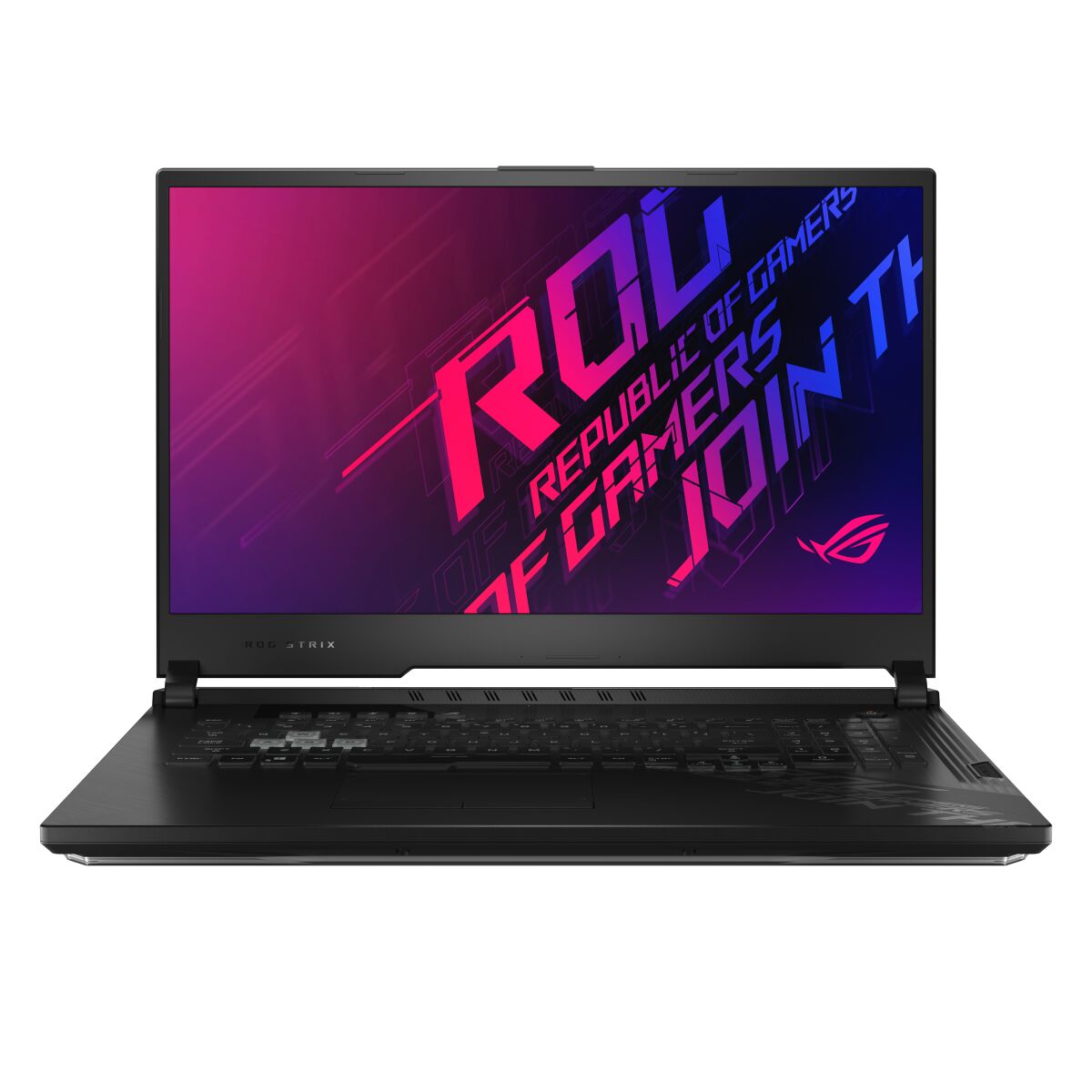
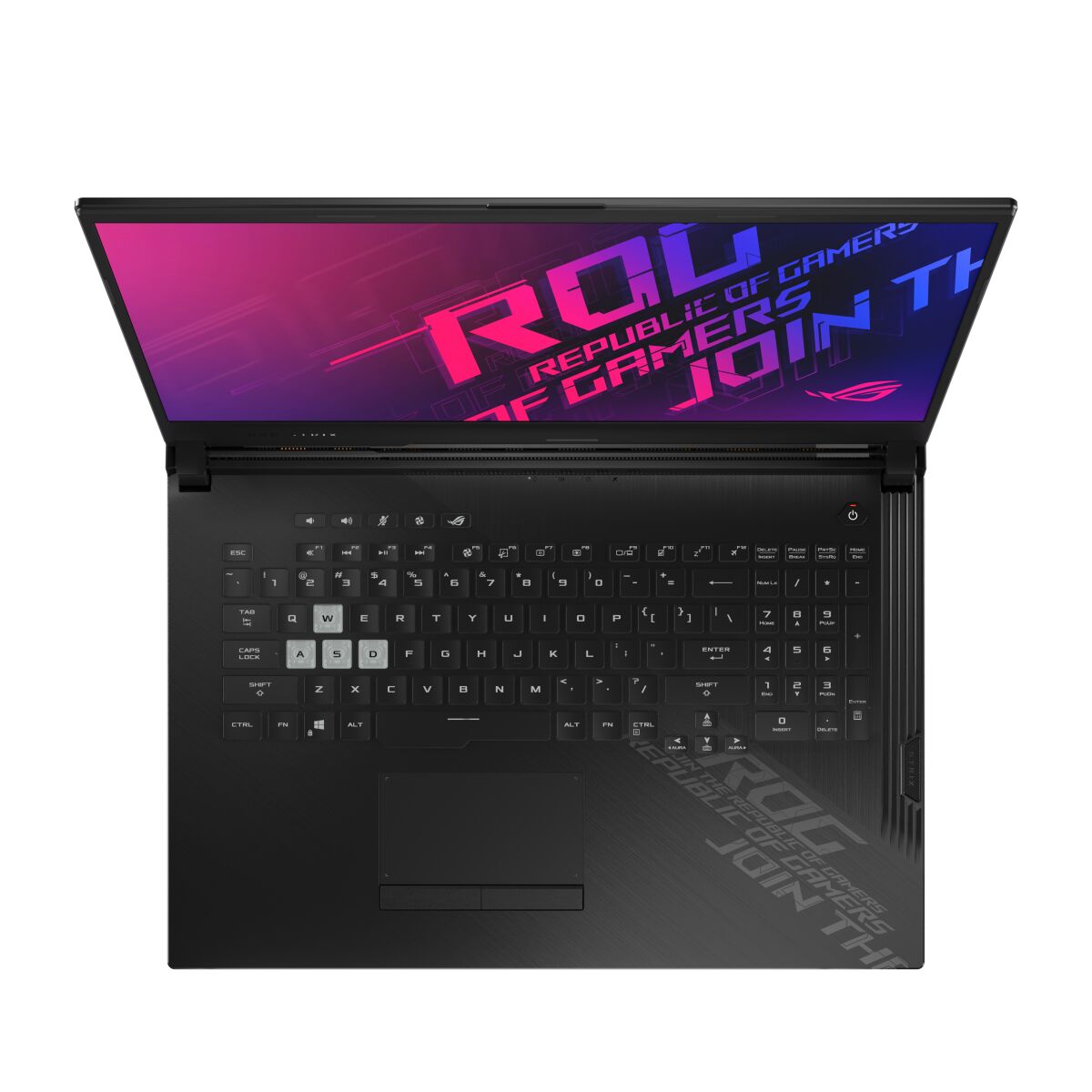
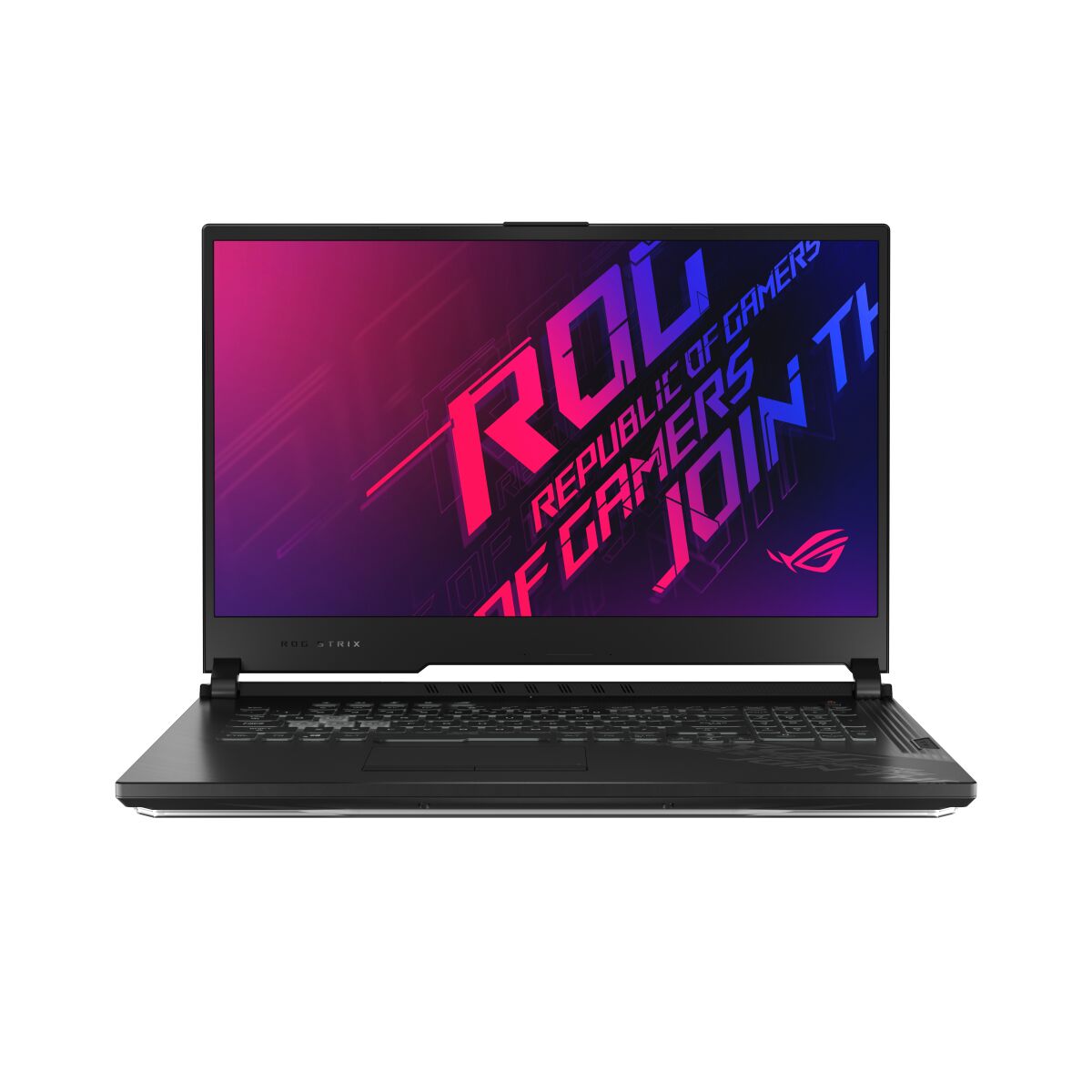
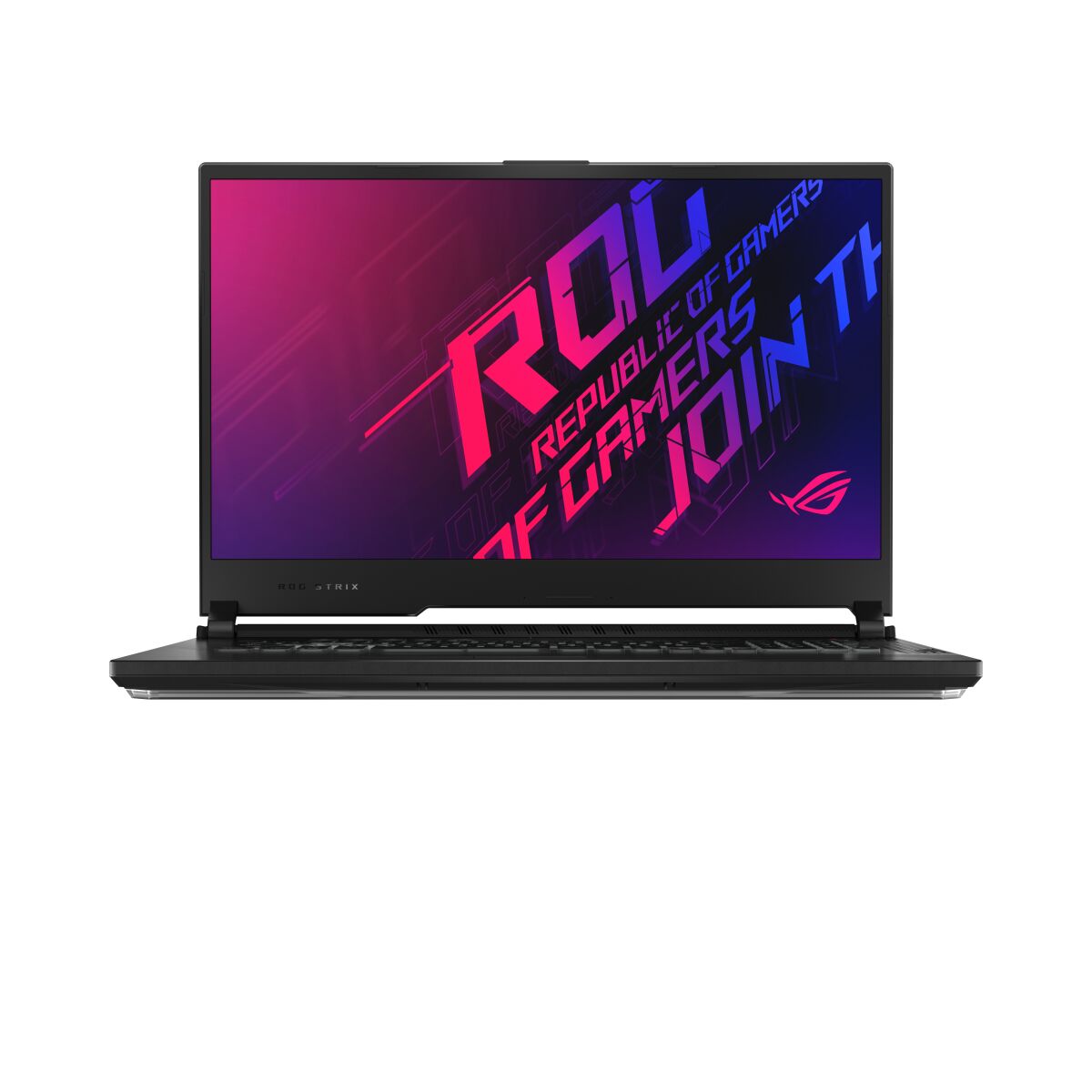
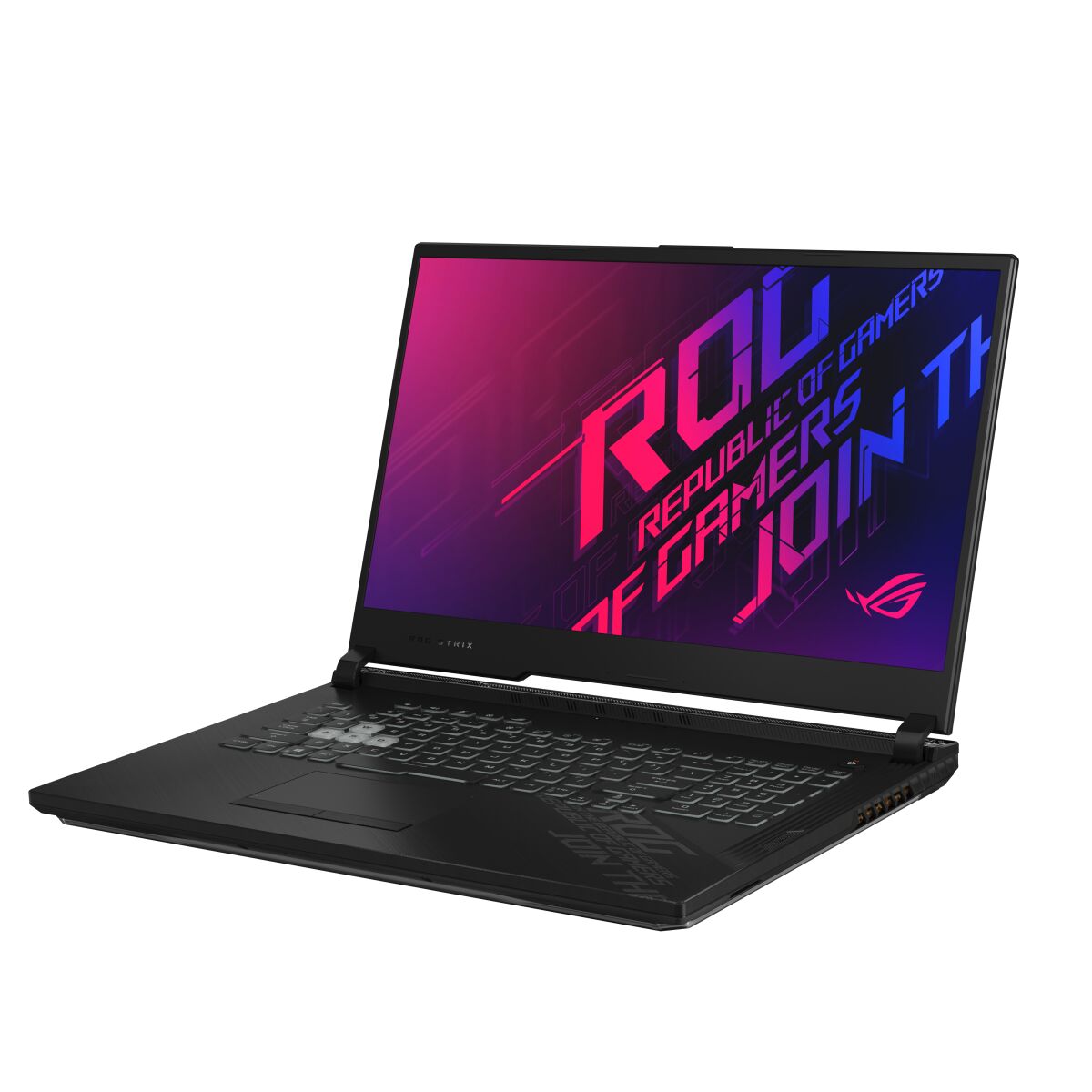
ASUS ROG Strix G712LV-EV060T supports DDR4-SDRAM memory upgrades with two SO-DIMM slots. Maximum supported capacity reaches 32 GB total RAM. Compatible memory operates at 3200 MHz frequency. Upgrade specifications indicate SO-DIMM form factor modules compatible with gaming laptop memory slots. Current configurations accept compatible DDR4 memory modules within specified capacity and frequency parameters.
Memory Upgrade Specifications
| Specification | Value |
|---|---|
| Memory slots | 2x SO-DIMM |
| Form factor | SO-DIMM |
| Memory type | DDR4-SDRAM |
| Frequency | 3200 MHz |
| Maximum RAM | 32 GB |
| Voltage | 1.2V |
| Number of pins | 260-pin |
| Interface | PC4 |
| PC Speed Rating | PC4-3200 (PC4-25600) |
| Bandwidth | 25.6 GB/s |
| Laptop Release date | 13 May 2020 |
Additional Notes
- The ASUS ROG G712LV-EV060T implements a dual-channel architecture through its 2 SO-DIMM slots, requiring matched pairs for optimal bandwidth utilization.
- Each slot accepts a maximum of 16 GB modules to reach the 32 GB system ceiling, eliminating compatibility with higher-density 32 GB modules.
- The 3200 MHz specification represents the maximum supported frequency, meaning modules rated at 3600 MHz or higher will downclock to 3200 MHz operation.
- SO-DIMM form factor modules measure approximately 67.6 mm in length, significantly shorter than desktop DIMM modules and physically incompatible with standard desktop memory.
- DDR4 generation memory operates at 1.2V, preventing backward or forward compatibility with DDR3 (1.5V) or DDR5 architectures due to voltage and pin configuration differences.
- Installing a single module will halve theoretical memory bandwidth from dual-channel to single-channel operation, creating potential performance degradation in memory-intensive applications.
- Mixing modules with different frequencies will force all installed memory to operate at the lowest common frequency, negating any speed advantages of faster modules.
- Access to the SO-DIMM slots typically requires bottom panel removal, which may void warranty seals on certain laptop configurations depending on regional warranty policies.
- Non-matching latency timings between mixed modules can cause system instability or force conservative timing profiles that reduce effective performance below specifications.
- The 3200 MHz frequency corresponds to PC4-25600 transfer rate specifications, a critical matching parameter when sourcing compatible modules from aftermarket vendors.