ASUS ROG G712LV-EV049T RAM upgrade specifications
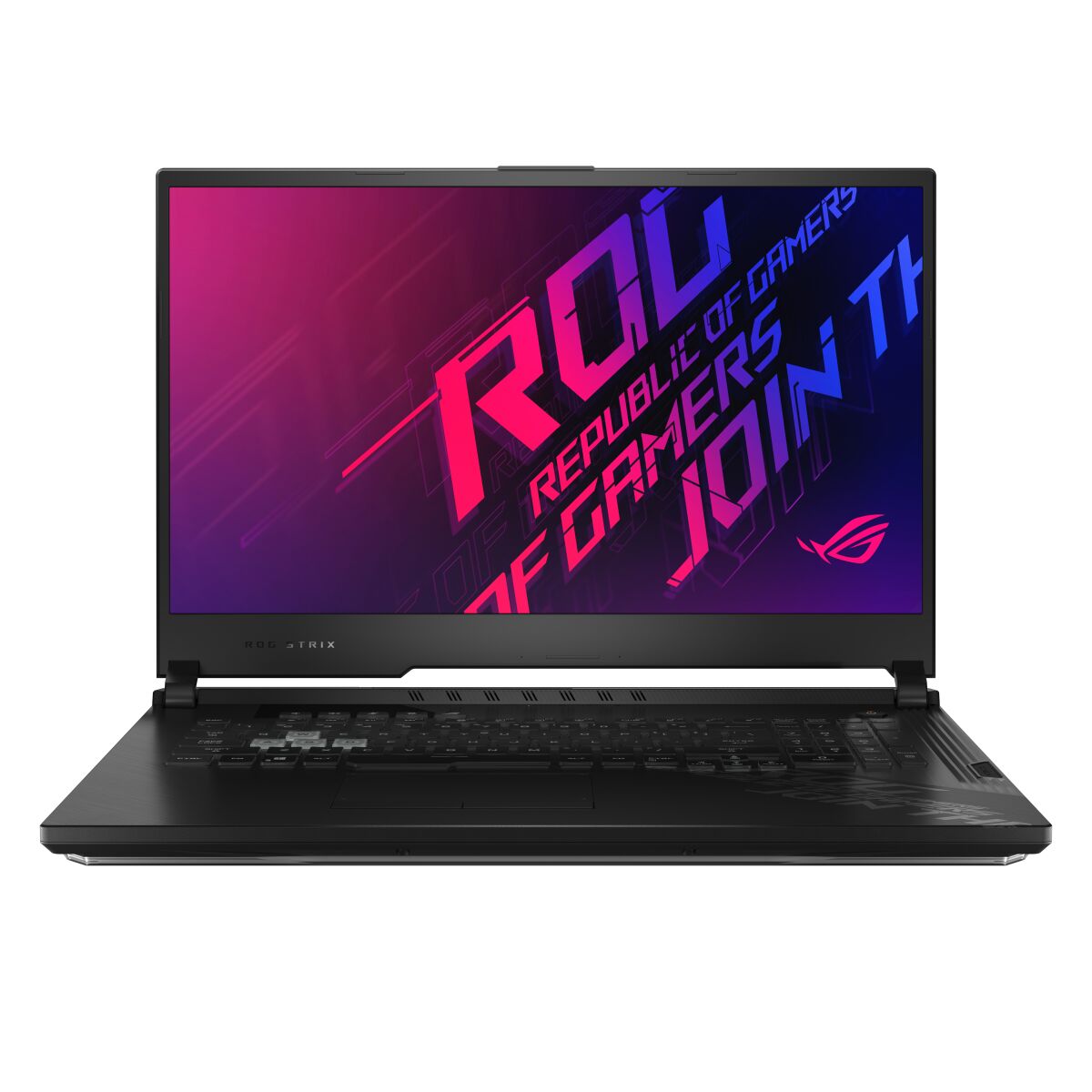

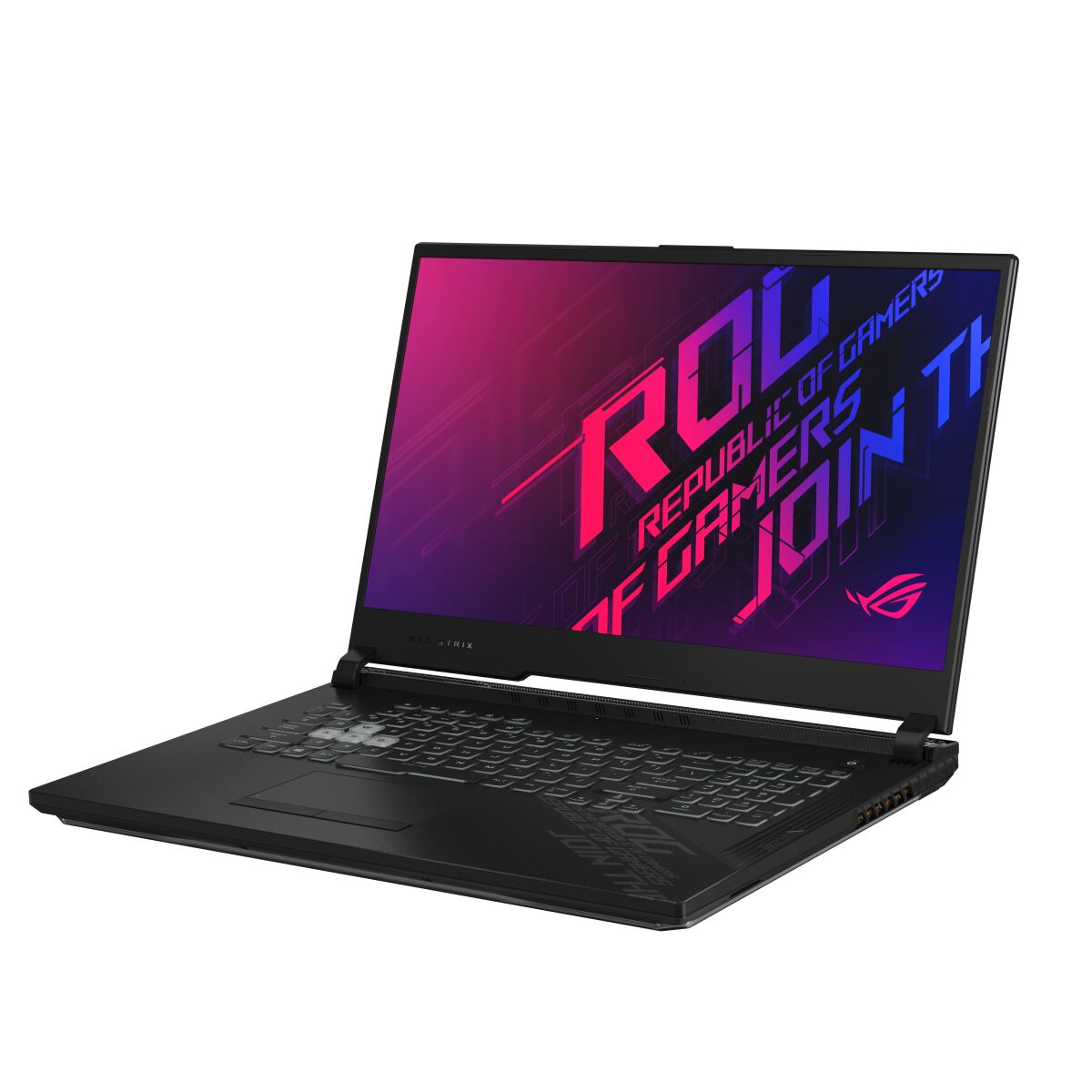
The ASUS ROG Strix G712LV-EV049T gaming laptop features two SO-DIMM slots for DDR4-SDRAM memory upgrades. Maximum supported RAM capacity reaches 32 GB total, with compatible modules operating at 3200 MHz frequency. The upgrade specifications indicate SO-DIMM form factor compatibility for this particular laptop model. Users can expand memory by installing additional DDR4 modules into the available slots to enhance system performance and multitasking capabilities.
Memory Upgrade Specifications
| Specification | Value |
|---|---|
| Memory slots | 2x SO-DIMM |
| Form factor | SO-DIMM |
| Memory type | DDR4-SDRAM |
| Frequency | 3200 MHz |
| Maximum RAM | 32 GB |
| Voltage | 1.2V |
| Number of pins | 260-pin |
| Interface | PC4 |
| PC Speed Rating | PC4-3200 (PC4-25600) |
| Bandwidth | 25.6 GB/s |
| Laptop Release date | 15 February 2021 |
Additional Notes
- The ASUS ROG G712LV-EV049T implements a dual-channel SO-DIMM architecture that requires matched memory pairs to achieve the specified 3200 MHz data transfer rate, as single-module configurations will result in reduced bandwidth performance.
- The 32 GB ceiling represents a hard controller limitation, meaning installations beyond this threshold will either fail POST or be automatically downclocked to unusable states regardless of module density.
- Mixing memory modules with different speed ratings will force the entire system to operate at the frequency of the slowest installed module, negating the 3200 MHz capability of faster components.
- Third-party memory upgrades that exceed JEDEC standard voltage specifications risk thermal throttling in the confined chassis airflow design typical of gaming laptops in this category.
- The SO-DIMM form factor physically prevents installation of standard desktop DIMM modules, requiring specific mobile-compatible components despite potentially higher cost per gigabyte.
- Both memory slots are user-accessible without processor or motherboard removal, preserving manufacturer warranty coverage when following documented disassembly procedures.
- Asymmetric memory configurations such as 8 GB plus 16 GB will technically function but disable dual-channel mode, effectively halving memory bandwidth during graphics-intensive operations.
- Intel XMP profiles embedded in higher-specification modules may not activate without BIOS support, resulting in automatic fallback to JEDEC standard timings regardless of module capability.
- The 3200 MHz rating operates above DDR4 base specifications and depends on CPU memory controller support, which varies across 10th generation Intel Core processor SKUs used in this platform.