ASUS ROG G712LW-EV037T RAM upgrade specifications
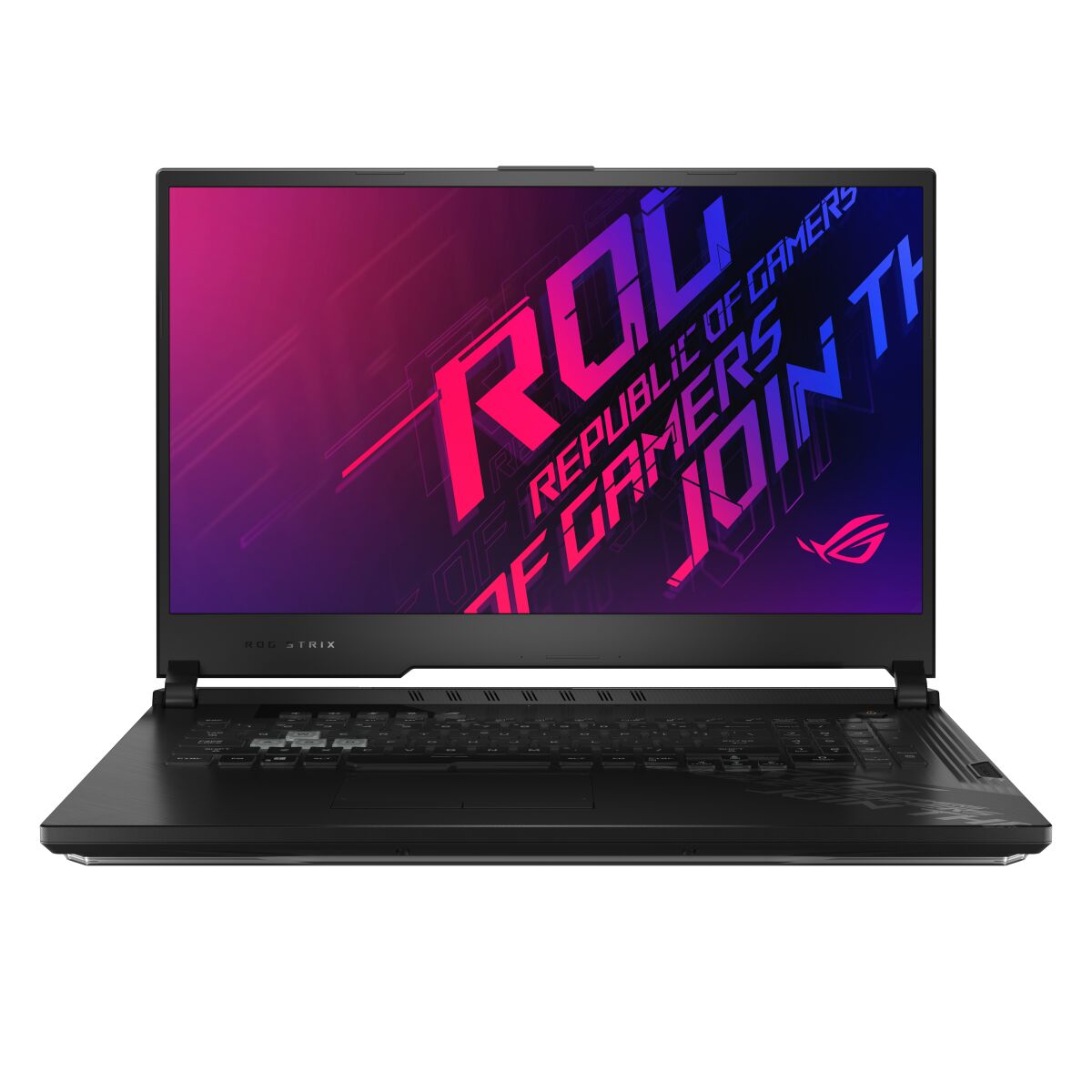

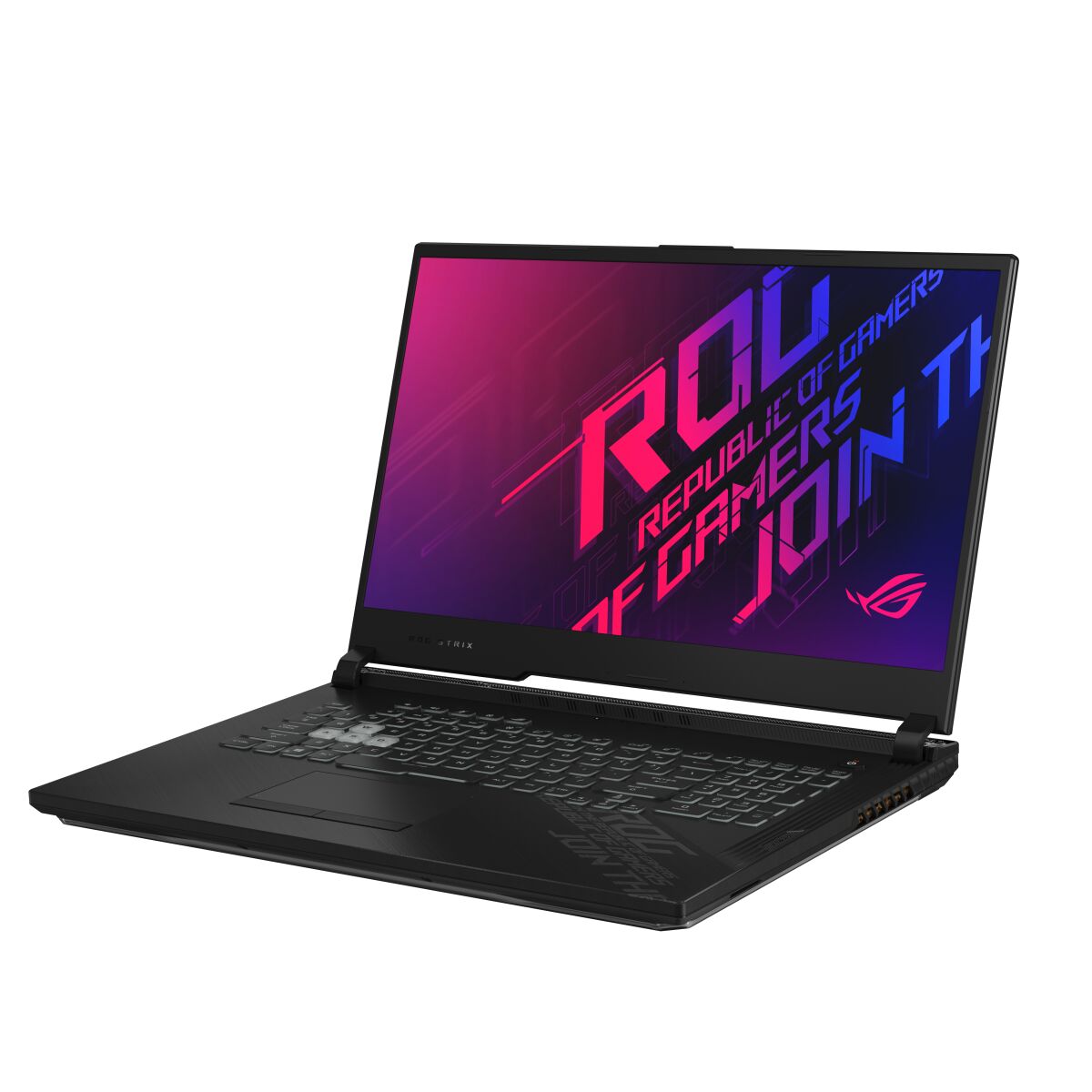
ASUS ROG Strix G712LW-EV037T laptop supports DDR4-SDRAM memory upgrades via 2x SO-DIMM slots. Maximum compatible RAM capacity reaches 32 GB total, with memory operating at 3200 MHz frequency. Upgrade specifications confirm SO-DIMM form factor compatibility for this gaming laptop model. Current and future memory installations must adhere to DDR4-SDRAM standard and slot configuration for proper system functionality.
Memory Upgrade Specifications
| Specification | Value |
|---|---|
| Memory slots | 2x SO-DIMM |
| Form factor | SO-DIMM |
| Memory type | DDR4-SDRAM |
| Frequency | 3200 MHz |
| Maximum RAM | 32 GB |
| Voltage | 1.2V |
| Number of pins | 260-pin |
| Interface | PC4 |
| PC Speed Rating | PC4-3200 (PC4-25600) |
| Bandwidth | 25.6 GB/s |
| Laptop Release date | 17 September 2020 |
Additional Notes
- The ASUS ROG G712LW-EV037T accepts only SO-DIMM modules, preventing installation of standard desktop DIMM memory despite physical socket presence.
- DDR4-SDRAM compatibility excludes DDR3L or DDR5 modules, as voltage and pin configurations differ fundamentally between these standards.
- The 32 GB maximum capacity requires two 16 GB modules when fully populated, as single-module configurations limit total system memory accordingly.
- Dual-channel operation depends on matching module capacities across both slots, as asymmetric configurations force single-channel mode and reduce memory bandwidth by approximately 50 percent.
- The 3200 MHz specification represents the maximum rated frequency, though modules rated higher will downclock to this speed automatically.
- Modules operating below 3200 MHz reduce peak memory bandwidth proportionally, potentially creating bottlenecks in applications requiring simultaneous high-speed data transfers.
- CAS latency variations between modules can cause stability issues even when frequency matches, as timing mismatches force the memory controller to use the slowest common denominator.
- Non-matching memory ranks between slots may limit interleaving efficiency, though the system will typically remain operational with reduced performance.
- Installing modules exceeding 1.2 volts nominal DDR4 specification risks thermal throttling in the confined laptop chassis despite technical compatibility.
- The SO-DIMM form factor measures 67.6 mm in length compared to 133.35 mm desktop modules, making physical compatibility verification critical before purchase.
- Accessing both memory slots typically requires complete bottom panel removal rather than dedicated access doors, affecting upgrade complexity.
- Warranty preservation generally permits user memory upgrades on consumer models, though manufacturer-specific policies should be verified before disassembly.
- ECC SO-DIMM modules will not function in this consumer platform despite physical compatibility, as the memory controller lacks error-correction logic.
- Mixing modules from different manufacturers increases the probability of training failures during POST, even when specifications match identically.
- XMP profiles embedded in modules remain inactive unless BIOS explicitly supports and enables this feature, defaulting to JEDEC standard speeds otherwise.