ASUS ROG G712LW-EV251 RAM upgrade specifications




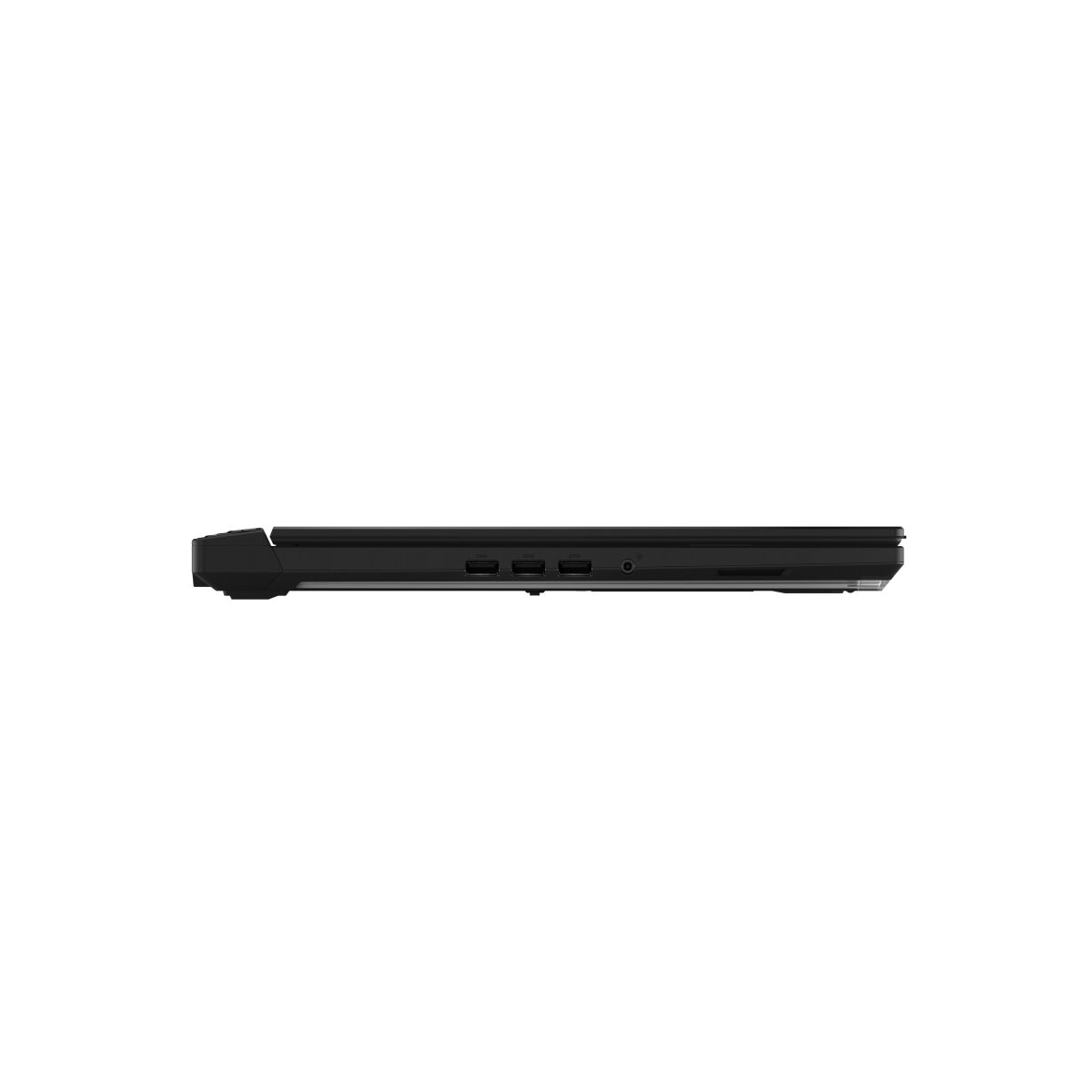
The ASUS ROG Strix G712LW-EV251 gaming laptop features two SO-DIMM slots for memory upgrades, supporting DDR4-SDRAM modules at 3200 MHz frequency. Compatible RAM upgrades can achieve a maximum capacity of 32 GB total memory. The laptop's specifications indicate DDR4 technology with SO-DIMM form factor, allowing users to expand the system memory for enhanced multitasking and gaming performance. Upgrade options are available through compatible DDR4 memory modules within the specifications of 3200 MHz operation and SO-DIMM physical configuration.
Memory Upgrade Specifications
| Specification | Value |
|---|---|
| Memory slots | 2x SO-DIMM |
| Form factor | SO-DIMM |
| Memory type | DDR4-SDRAM |
| Frequency | 3200 MHz |
| Maximum RAM | 32 GB |
| Voltage | 1.2V |
| Number of pins | 260-pin |
| Interface | PC4 |
| PC Speed Rating | PC4-3200 (PC4-25600) |
| Bandwidth | 25.6 GB/s |
| Laptop Release date | 10 June 2020 |
Additional Notes
- The dual channel architecture requires symmetrical module pairs to achieve full memory bandwidth and prevent single channel bottle-necks during heavy rendering tasks.
- Operating at the maximum supported capacity on this ASUS ROG G712LW-EV251 requires the removal of all factory installed modules because no additional unoccupied slots exist for expansion.
- The presence of 2 SO-DIMM slots implies that the motherboard does not utilize soldered memory, allowing for complete replacement of the RAM subsystem if a module fails after the warranty period.
- Latency timings will default to the highest common frequency if modules with mismatched CAS latency values are installed together.
- Physical access to the memory hardware necessitates the removal of the bottom chassis cover, which contains delicate ribbon cables for the integrated light bar system that are prone to tearing during disassembly.
- System stability depends on utilizing non-ECC unbuffered modules since the chipset architecture lacks the parity checking required for server grade memory.
- High density modules exceeding 16 GB per slot will result in a failure to post because the BIOS firmware and processor architecture cap the total addressable memory at 32 GB.