ASUS ROG G712LW-EV107T RAM upgrade specifications
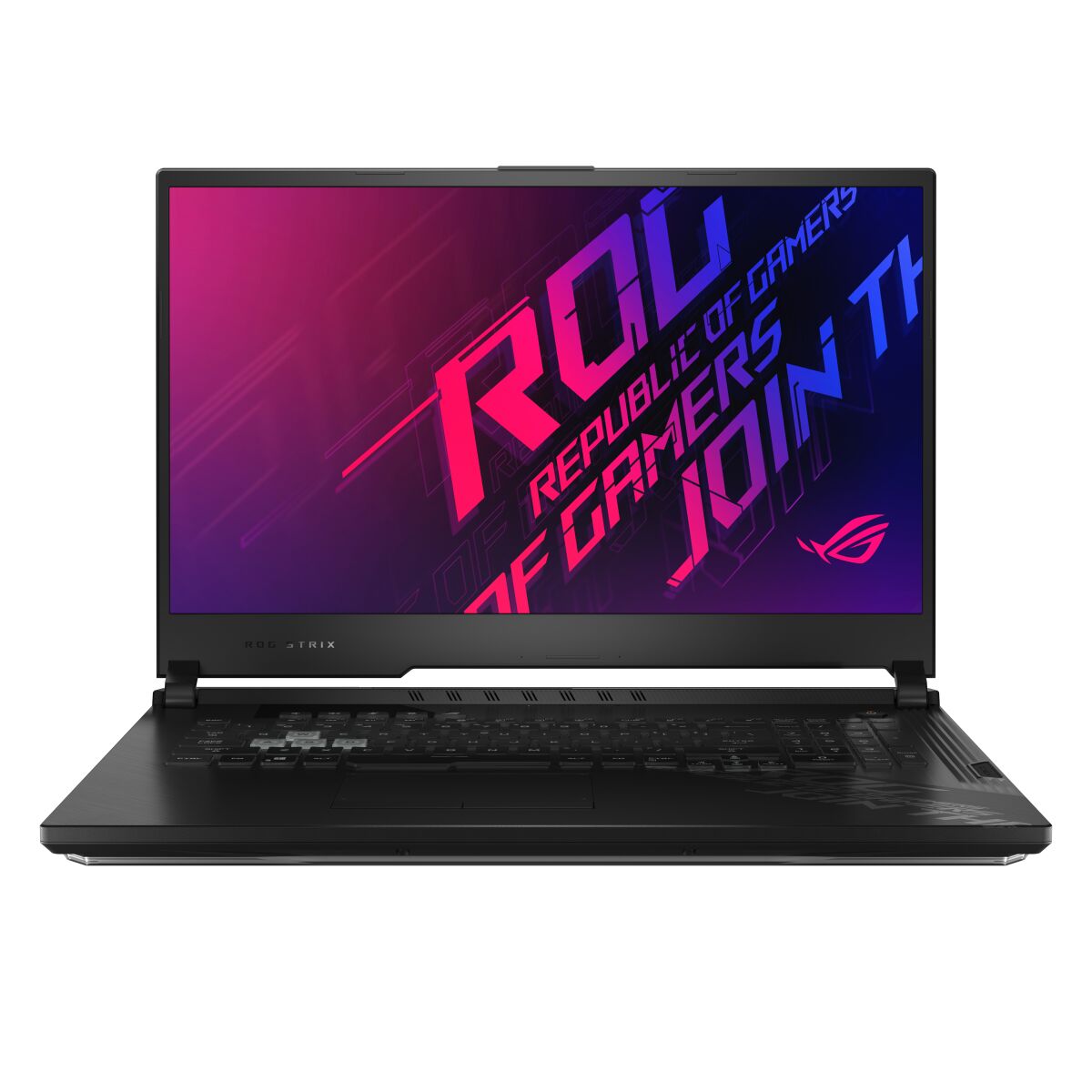



ASUS ROG Strix G712LW-EV107T RAM upgrade specifications include DDR4-SDRAM memory compatible with 2x SO-DIMM slots. Maximum memory capacity reaches 32 GB with DDR4-2933 MHz frequency support. Compatible memory modules utilize SO-DIMM form factor for laptop installation. Specifications enable RAM upgrades from factory-configured capacity to full 32 GB maximum capacity through memory slot installation.
Memory Upgrade Specifications
| Specification | Value |
|---|---|
| Memory slots | 2x SO-DIMM |
| Form factor | SO-DIMM |
| Memory type | DDR4-SDRAM |
| Frequency | 2933 MHz |
| Maximum RAM | 32 GB |
| Voltage | 1.2V |
| Number of pins | 260-pin |
| Interface | PC4 |
| PC Speed Rating | PC4-2933 (PC4-23464) |
| Bandwidth | 23.5 GB/s |
| Laptop Release date | 16 January 2021 |
Additional Notes
- The ASUS ROG G712LW-EV107T utilizes SO-DIMM modules instead of standard desktop DIMMs, requiring physically smaller memory cards with a different pin count that prevents installation of desktop RAM.
- The 32 GB ceiling represents a chipset-level limitation rather than a slot constraint, meaning installation of higher-capacity modules will either fail to boot or reduce capacity to the supported threshold.
- DDR4-2933 represents the maximum validated frequency for this system, though modules rated at higher speeds may downclock automatically to this specification to maintain stability.
- Dual SO-DIMM configuration enables dual-channel operation when matched modules populate both slots, potentially doubling memory bandwidth compared to single-channel configurations.
- Mixing RAM modules with different speeds forces all modules to operate at the frequency of the slowest installed module, reducing overall memory bandwidth.
- Accessing both SO-DIMM slots typically requires complete bottom panel removal, with potential warranty implications if manufacturer seals are broken during the upgrade process.
- DDR4 voltage standards operate at 1.2V, while DDR3 modules use incompatible voltage and pin configurations that physically prevent insertion into DDR4 slots.
- Non-matching module capacities between slots maintains dual-channel operation only up to the capacity of the smaller module, with remaining capacity reverting to single-channel mode.
- Thermal constraints in gaming chassis may affect memory stability at maximum rated frequencies under sustained loads, particularly when ambient temperatures exceed typical operating ranges.
- SO-DIMM modules generate heat during operation, and installations should verify adequate airflow paths exist around memory slots to prevent thermal throttling.