ASUS ROG G712LW-EV071T RAM upgrade specifications
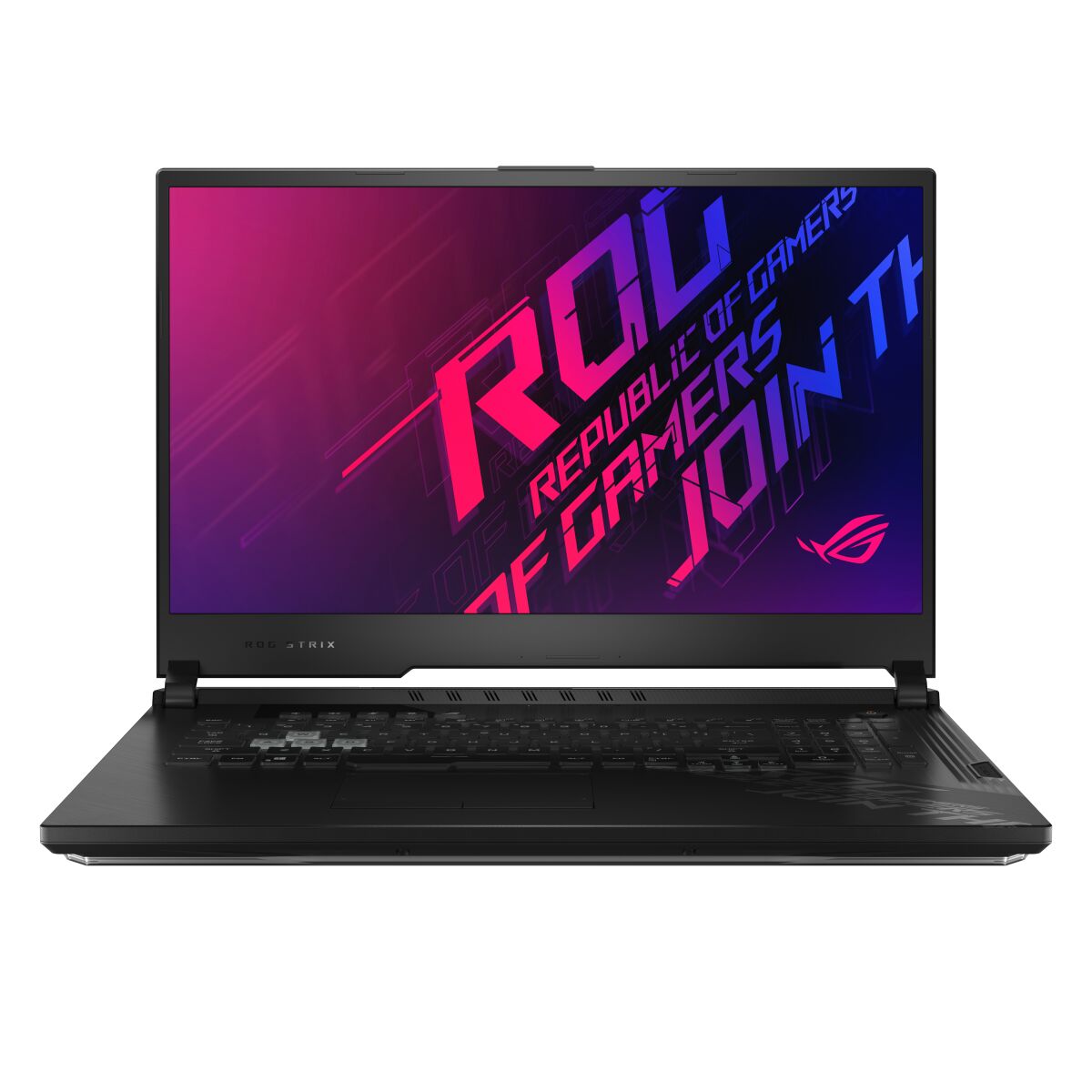



ASUS ROG Strix G712LW-EV071T laptop memory upgrade specifications include two SO-DIMM slots supporting DDR4-SDRAM memory modules. Maximum RAM capacity reaches 32 GB total, compatible with 3200 MHz frequency modules. Upgrade options allow installation of higher-capacity memory modules within specified slots to enhance system performance and multitasking capabilities.
Memory Upgrade Specifications
| Specification | Value |
|---|---|
| Memory slots | 2x SO-DIMM |
| Form factor | SO-DIMM |
| Memory type | DDR4-SDRAM |
| Frequency | 3200 MHz |
| Maximum RAM | 32 GB |
| Voltage | 1.2V |
| Number of pins | 260-pin |
| Interface | PC4 |
| PC Speed Rating | PC4-3200 (PC4-25600) |
| Bandwidth | 25.6 GB/s |
| Laptop Release date | 28 October 2020 |
Additional Notes
- The ASUS ROG G712LW-EV071T contains 2 SO-DIMM slots with a 32 GB ceiling, meaning each slot accepts a maximum 16 GB module to reach the theoretical limit.
- DDR4-3200 MHz specification indicates the memory controller enforces this frequency as a hard ceiling; faster modules (DDR4-3600, DDR4-4000) will operate at 3200 MHz when installed, with no performance gain from premium rated speed.
- SO-DIMM form factor is laptop-specific and incompatible with desktop DDR4 modules; standard UDIMM or RDIMM sticks cannot be physically inserted into these slots.
- Dual-slot architecture creates a potential asymmetry trap: installing a single 16 GB module leaves 1 empty slot operational but sacrifices dual-channel bandwidth, reducing memory throughput by approximately 50% compared to matched 8 GB + 8 GB or 16 GB + 16 GB configurations.
- The 32 GB capacity ceiling predates the widespread adoption of DDR5 in this product line; future upgrade paths beyond 32 GB require motherboard-level replacement, effectively limiting long-term expandability to current DDR4 ecosystem constraints.
- SO-DIMM modules generate higher heat density than desktop counterparts due to smaller surface area; thermal paste degradation or inadequate heatsink contact on replacement modules can introduce latency penalties under sustained workloads.
- BIOS/firmware compatibility validation is required before installation; some ASUS firmware versions restrict recognition of certain third-party SO-DIMM modules despite matching DDR4-3200 specifications, occasionally requiring a BIOS update to enable full capacity detection.