ASUS ROG G712LW-XS78 RAM upgrade specifications
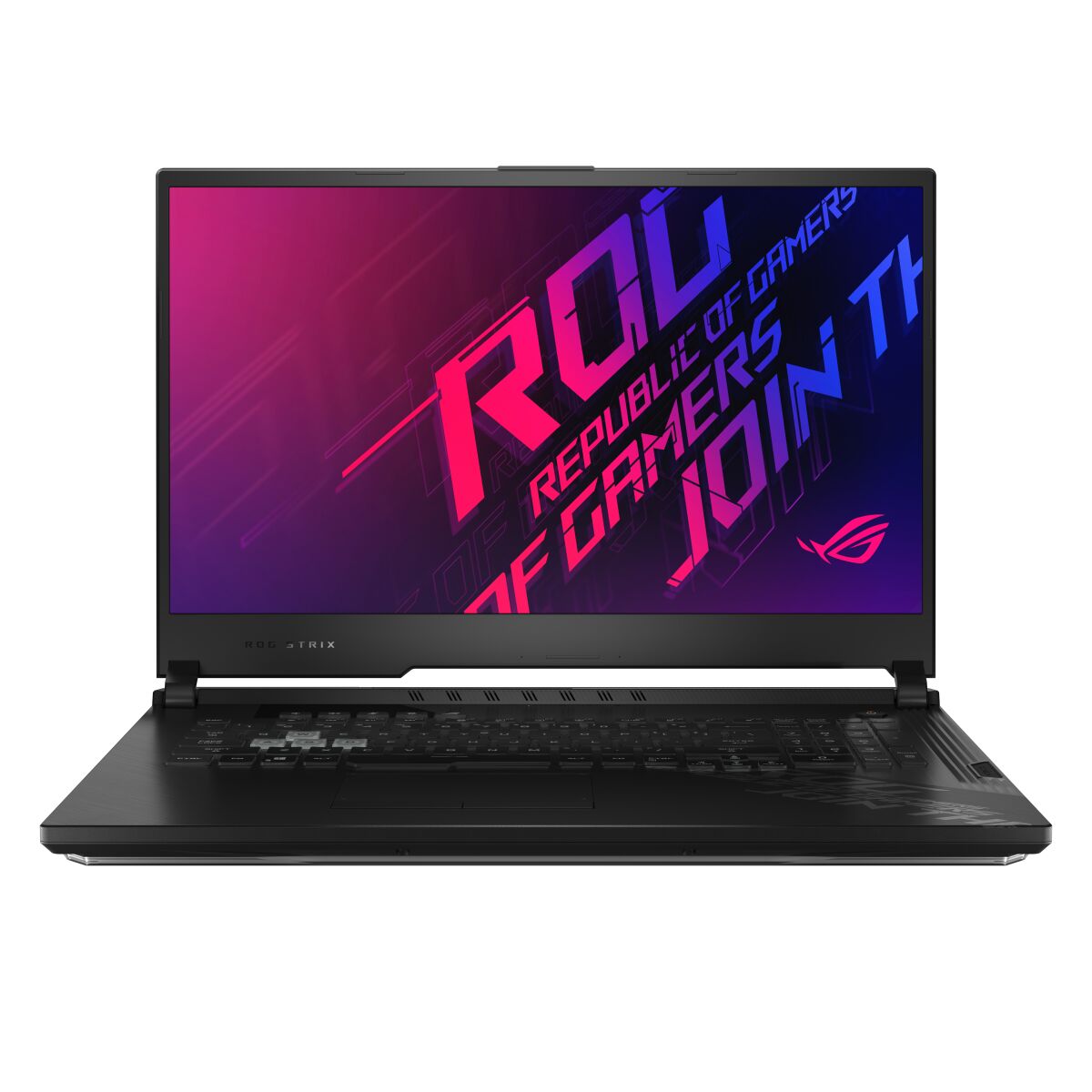

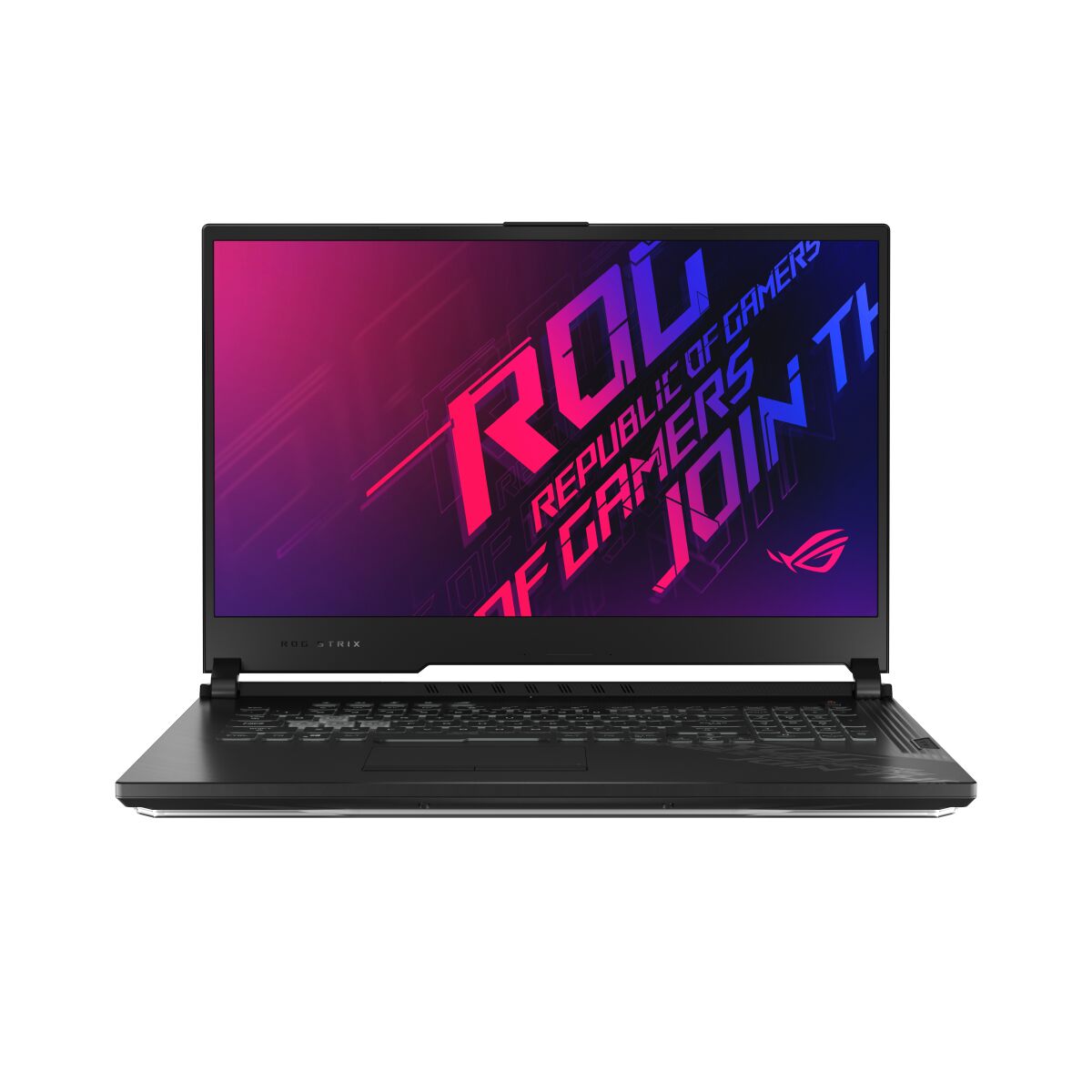
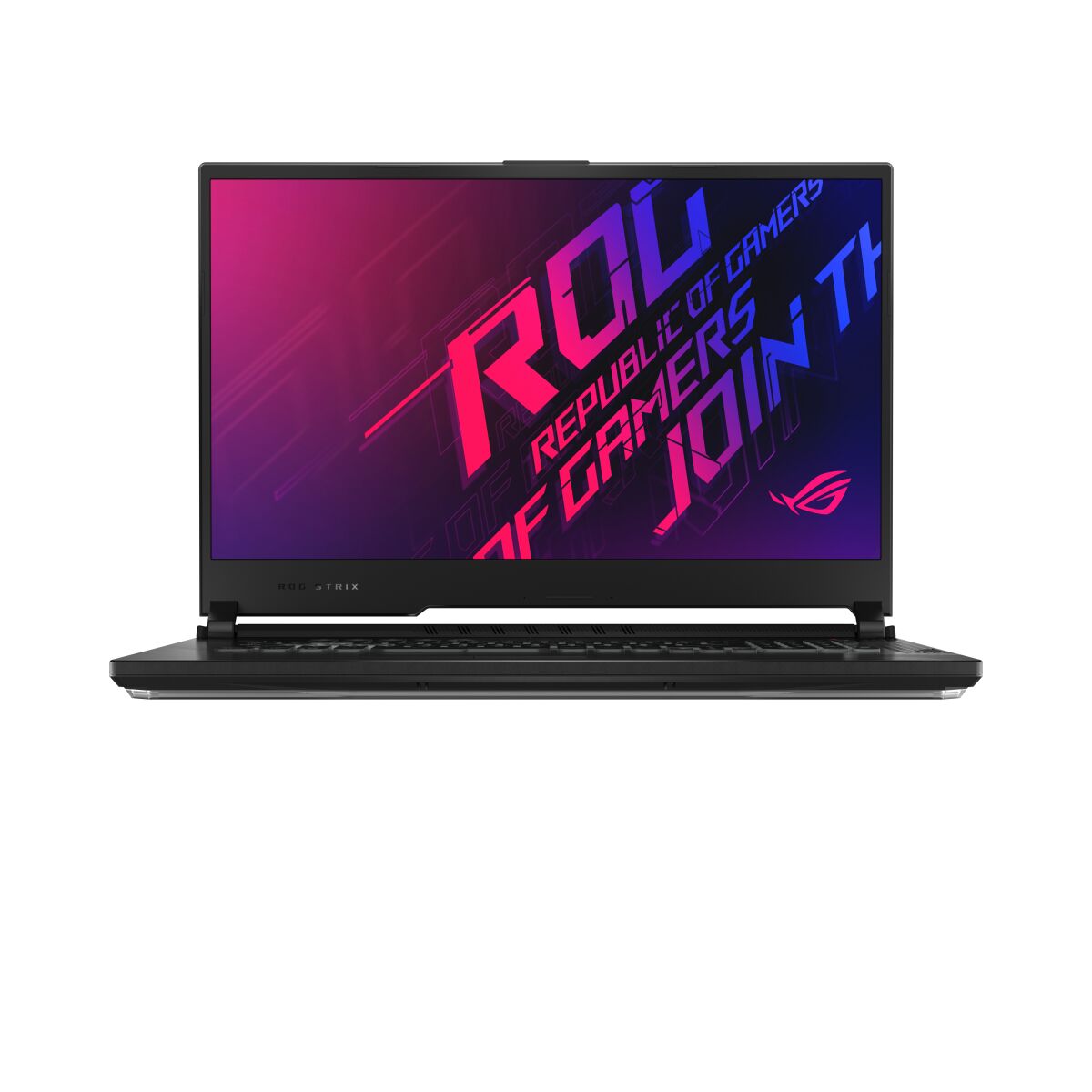

The ASUS ROG Strix G712LW-XS78 gaming laptop contains two SO-DIMM memory slots supporting DDR4-SDRAM upgrade specifications. Maximum RAM capacity reaches 32 GB total, compatible with 3200 MHz frequency modules. Current memory configuration and upgrade options depend on existing DIMM population. Specifications indicate compatible DDR4 SO-DIMM modules can be installed in available slots to expand system RAM. Upgrade procedures require removal of base panel and secure DIMM insertion at 45-degree angles until retention clips engage fully.
Memory Upgrade Specifications
| Specification | Value |
|---|---|
| Memory slots | 2x SO-DIMM |
| Form factor | SO-DIMM |
| Memory type | DDR4-SDRAM |
| Frequency | 3200 MHz |
| Maximum RAM | 32 GB |
| Voltage | 1.2V |
| Number of pins | 260-pin |
| Interface | PC4 |
| PC Speed Rating | PC4-3200 (PC4-25600) |
| Bandwidth | 25.6 GB/s |
| Laptop Release date | 13 May 2020 |
Additional Notes
- Dual channel memory architecture requires installing identical capacity and timing modules in both physical slots to maximize data transfer rates across the bus.
- The 32 GB ceiling necessitates replacing all existing modules rather than adding new ones if the factory configuration occupies both slots.
- Integrating the ASUS ROG G712LW-XS78 into a high performance workflow means matching the CL22 latency standard typically associated with 3200 MHz JEDEC profiles to avoid downclocking.
- Internal layout constraints require a non static workspace and specific precision tools to bypass the chassis bottom plate without damaging the ribbon cables connected to the integrated light bar.
- Voltage compatibility remains restricted to 1.2V standards as the motherboard firmware does not support XMP profiles for high voltage overclocked memory kits.
- Thermal dissipation relies on passive airflow within the SODIMM area which may cause minor throttling during sustained high load if modules with thick heat spreaders are used.
- System stability depends on utilizing unbuffered non ECC memory as the chipset lacks the parity logic required for error correcting code modules.