ASUS ROG G712LWS-EV003T-BE RAM upgrade specifications
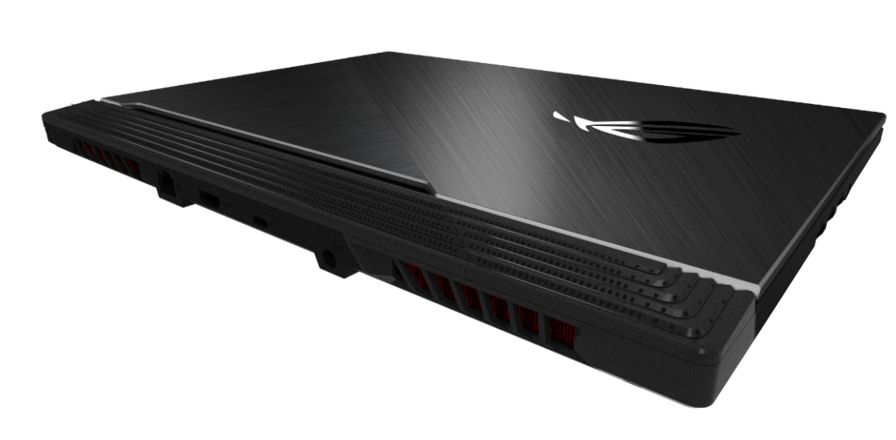
The ASUS ROG Strix G712LWS-EV003T-BE laptop features DDR4-SDRAM memory upgrade specifications with two SO-DIMM slots supporting maximum RAM capacity of 32 GB. Compatible memory modules operate at 2933 MHz frequency. Specifications indicate the gaming laptop accommodates DDR4 SO-DIMM format upgrades, enabling users to expand total system memory to the maximum supported capacity through the available dual memory slots. The upgrade specifications support DDR4-SDRAM technology for enhanced multitasking and gaming performance.
Memory Upgrade Specifications
| Specification | Value |
|---|---|
| Memory slots | 2x SO-DIMM |
| Form factor | SO-DIMM |
| Memory type | DDR4-SDRAM |
| Frequency | 2933 MHz |
| Maximum RAM | 32 GB |
| Voltage | 1.2V |
| Number of pins | 260-pin |
| Interface | PC4 |
| PC Speed Rating | PC4-2933 (PC4-23464) |
| Bandwidth | 23.5 GB/s |
| Laptop Release date | 18 March 2020 |
Additional Notes
- The ASUS ROG G712LWS-EV003T-BE uses laptop-class SO-DIMM slots rather than desktop DIMM form factors, restricting module selection to compact memory sticks and eliminating compatibility with standard desktop RAM.
- DDR4-3200 modules operate at rated speed on this platform, but DDR4-2933 represents the validated frequency ceiling; faster modules will downclock to 2933 MHz, negating performance gains while incurring higher per-module costs.
- With 2 SO-DIMM slots and 32 GB capacity ceiling, maximum practical configuration requires 2x16 GB modules; single-module configurations leave one slot empty and forfeit dual-channel bandwidth benefits that mobile workloads depend on.
- Replacement or addition of memory modules does not require BIOS modifications on DDR4 platforms; the system automatically detects and trains new modules during POST, allowing warranty-safe installation without firmware intervention.
- A configuration upgrade from baseline to maximum capacity (typically 8 GB or 16 GB stock) introduces latency trade-offs; higher-density modules (16 GB per stick) often carry tighter timings than lower-density alternatives (8 GB), affecting real-world throughput in memory-bound applications.
- The dual-channel memory architecture depends on balanced population; mismatched module capacities or speeds between slots may force single-channel operation or asymmetric channel access patterns, reducing effective bandwidth by up to 50 percent.