ASUS ROG G712LWS-EV015T RAM upgrade specifications
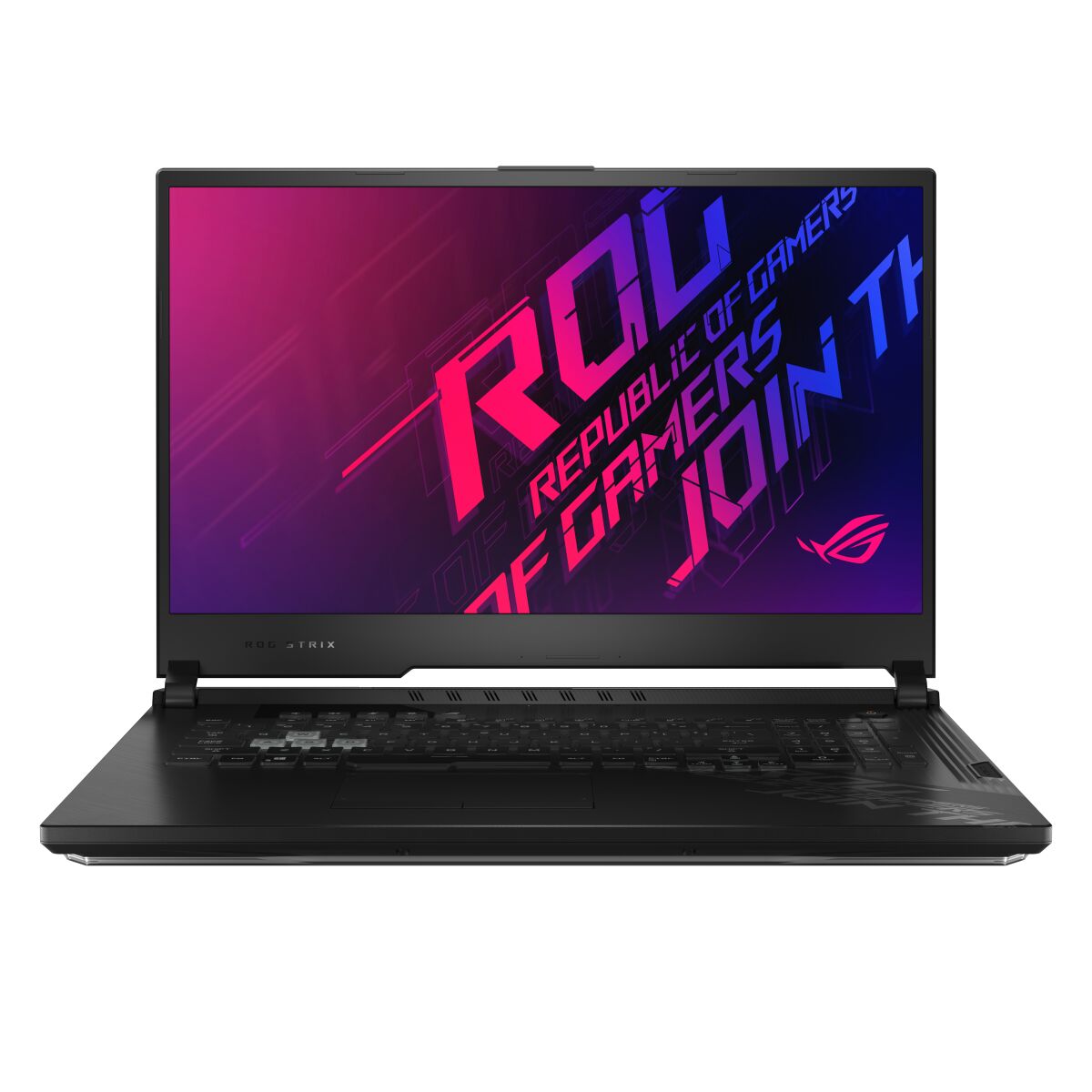

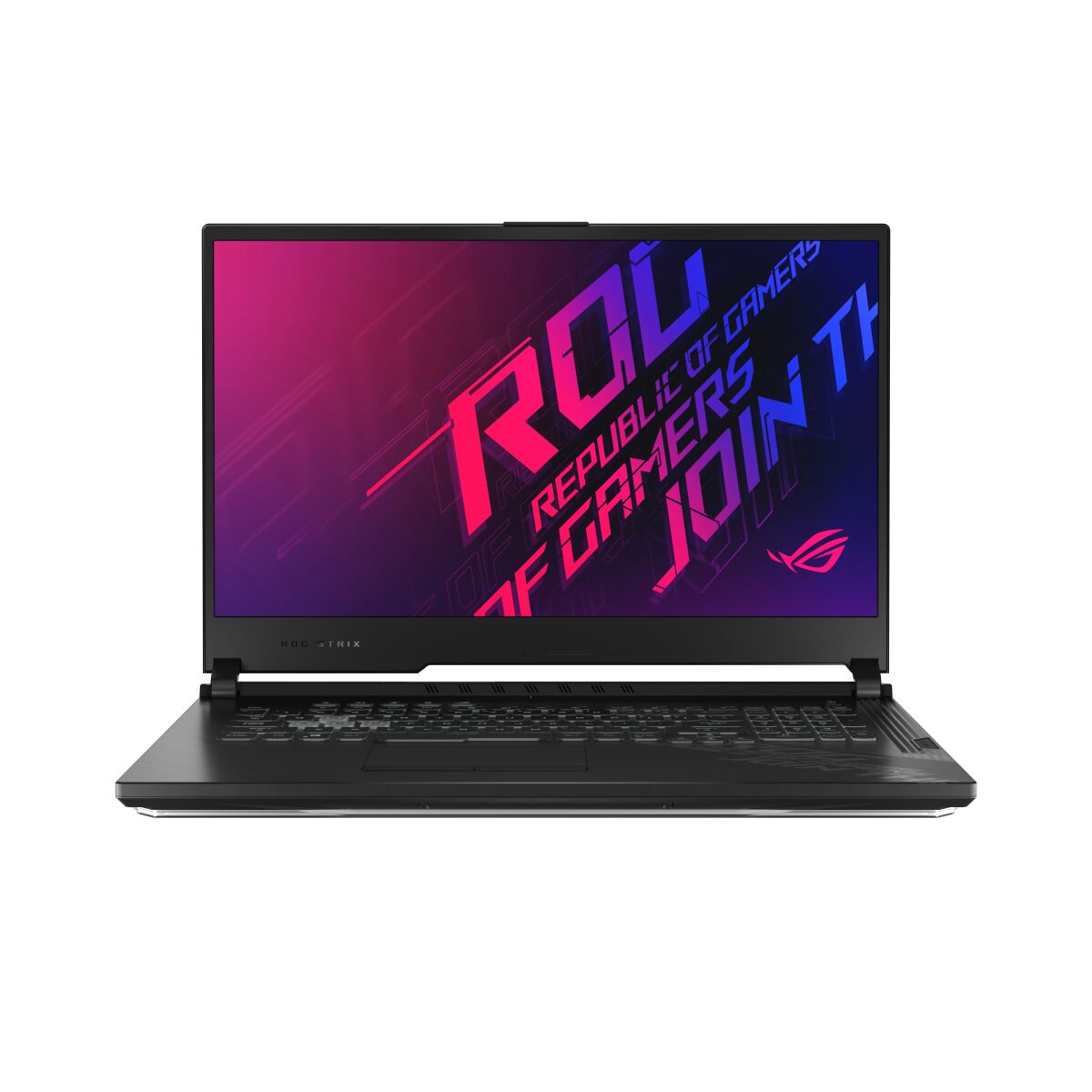
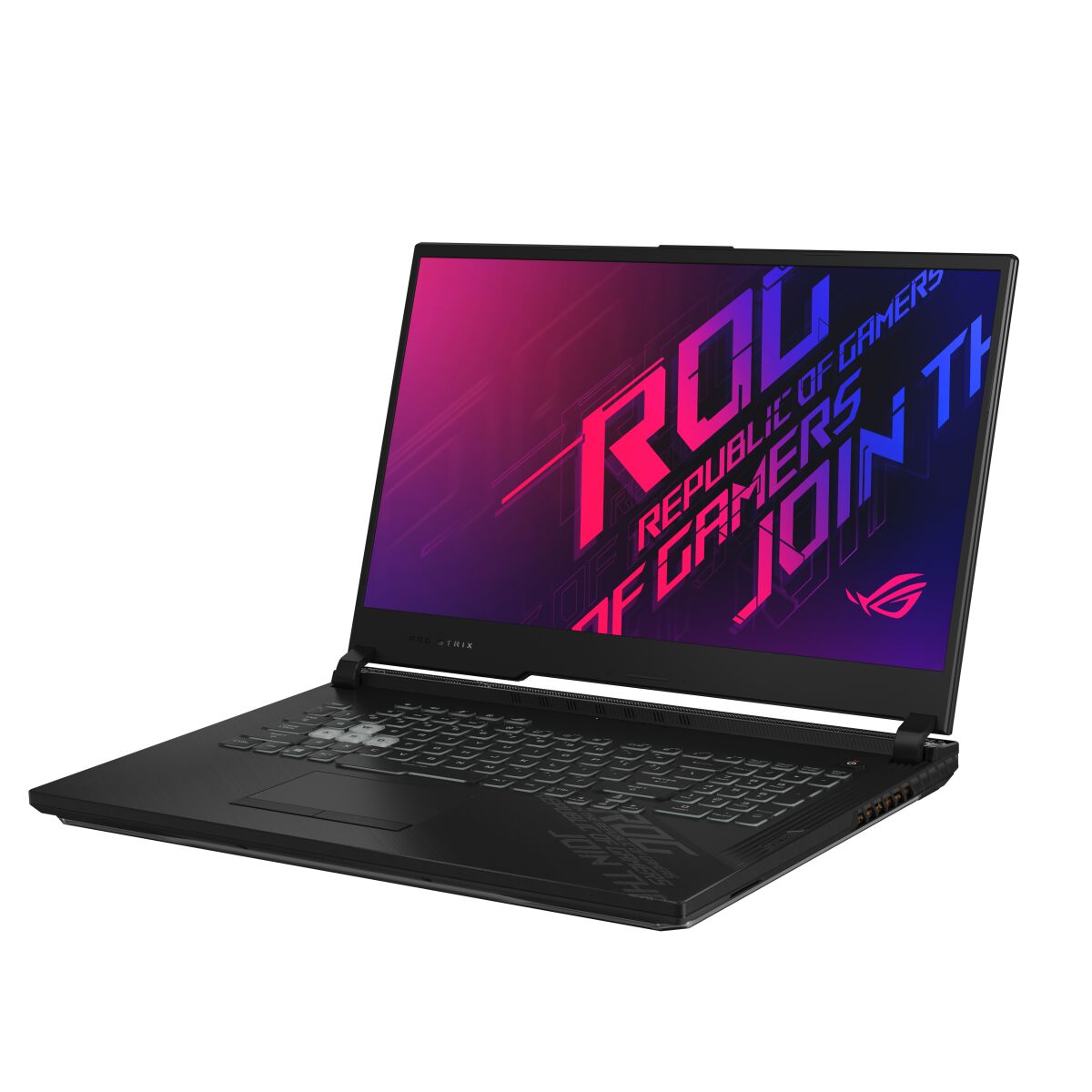
ASUS ROG Strix G712LWS-EV015T laptop features DDR4-SDRAM memory upgrade capacity of up to 32 GB maximum. The device contains 2x SO-DIMM slots for compatible memory modules. Current specifications support DDR4 memory operating at 3200 MHz frequency. Upgrade options allow installation of additional RAM to enhance system performance and multitasking capabilities within the specified slot and capacity constraints.
Memory Upgrade Specifications
| Specification | Value |
|---|---|
| Memory slots | 2x SO-DIMM |
| Form factor | SO-DIMM |
| Memory type | DDR4-SDRAM |
| Frequency | 3200 MHz |
| Maximum RAM | 32 GB |
| Voltage | 1.2V |
| Number of pins | 260-pin |
| Interface | PC4 |
| PC Speed Rating | PC4-3200 (PC4-25600) |
| Bandwidth | 25.6 GB/s |
| Laptop Release date | 13 May 2020 |
Additional Notes
- The 32 GB ceiling stems from the Intel 10th generation mobile platform's memory controller limitations, preventing future expansion beyond this threshold regardless of module availability.
- The ASUS ROG G712LWS-EV015T requires dual-channel population to maintain GPU bandwidth optimization, as single-module configurations reduce memory throughput by approximately 50 percent in gaming workloads.
- SO-DIMM installation necessitates bottom panel removal, which typically involves removing 8 to 12 screws and disconnecting battery terminals before accessing the memory bay.
- 3200 MHz operation depends on JEDEC SPD profiles rather than XMP, as mobile BIOS implementations rarely expose overclocking controls for manual frequency adjustment.
- Mixing modules with different densities triggers asymmetric dual-channel mode, where only the matched capacity portion operates in dual-channel while excess capacity on the larger module runs in single-channel.
- Thermal constraints within the chassis limit sustained memory performance during extended workloads, as SO-DIMM modules lack dedicated cooling and rely on ambient airflow from CPU/GPU thermal solutions.
- Warranty preservation requires avoiding ESD damage during installation, though memory upgrades themselves typically do not void manufacturer warranties when performed without chassis modification.
- Native 3200 MHz modules eliminate compatibility ambiguity, whereas higher-rated modules downclocking to 3200 MHz may exhibit stability variations depending on IC binning and subtiming tolerances.
- The 2 slot configuration prohibits incremental upgrades beyond the initial pair, forcing complete module replacement when transitioning from 16 GB to 32 GB configurations.
- CAS latency variations between CL22 and CL20 modules produce measurable frame time differences in bandwidth-sensitive titles, though absolute FPS deltas rarely exceed 3 to 5 percent.