ASUS ROG G712LWS-EV019T RAM upgrade specifications
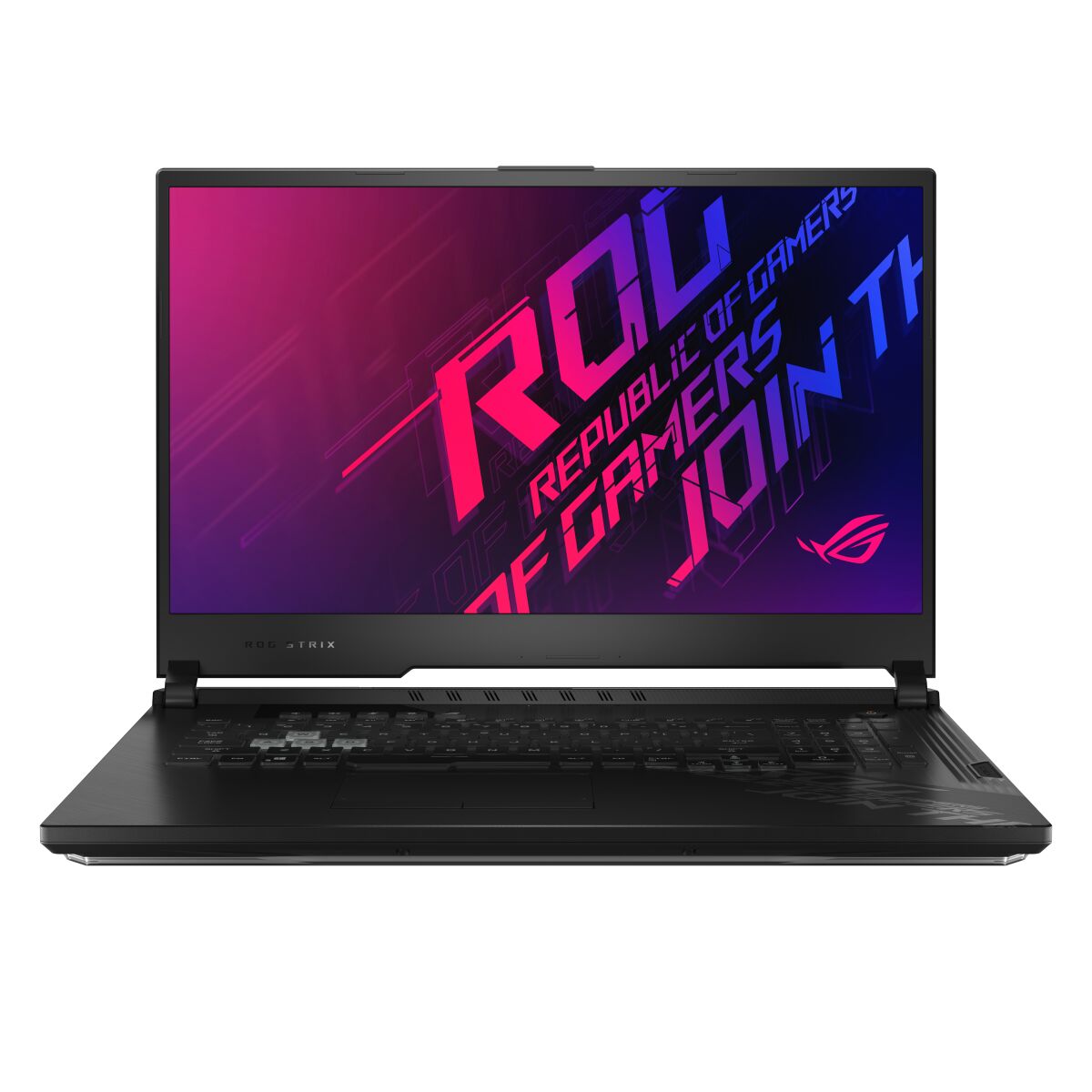

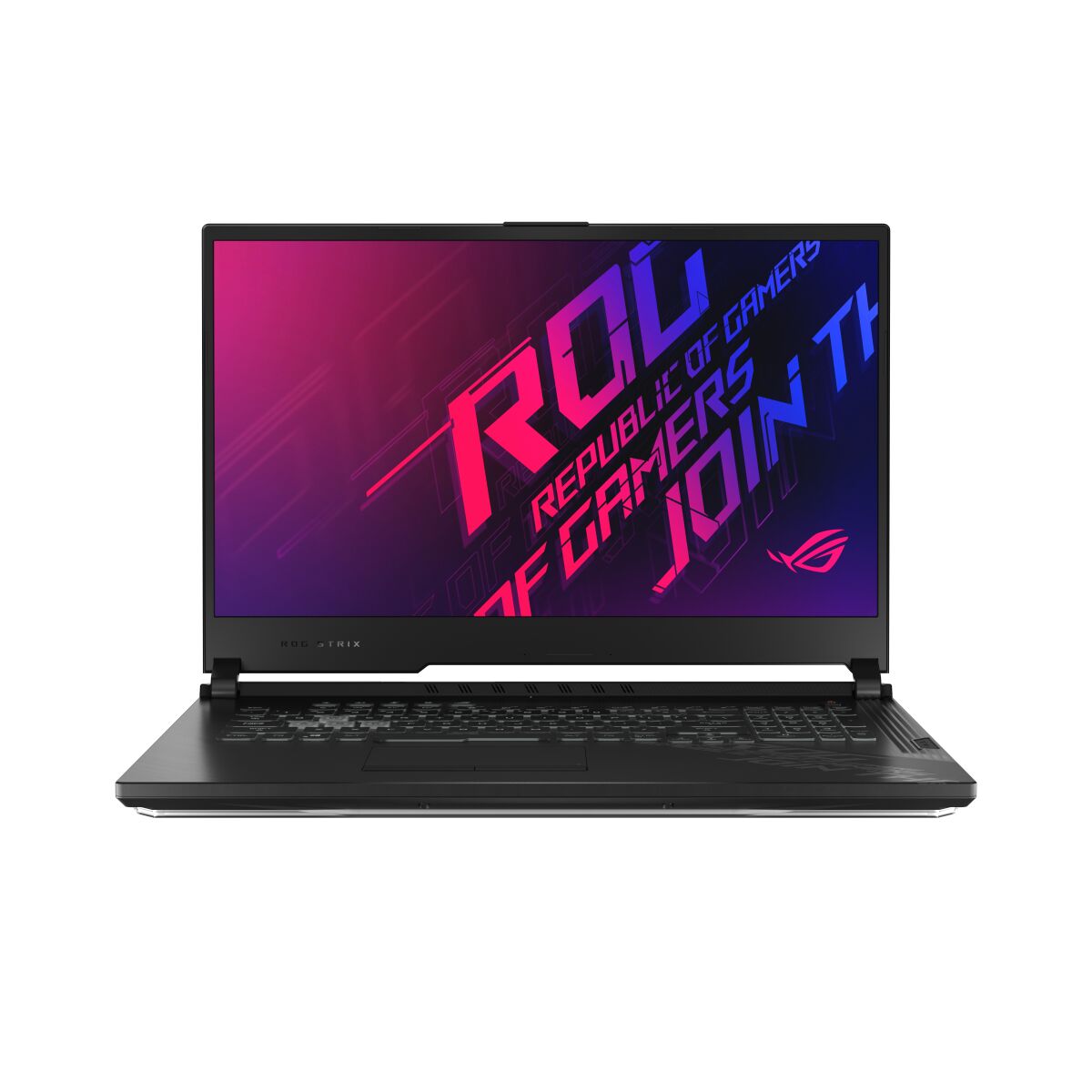
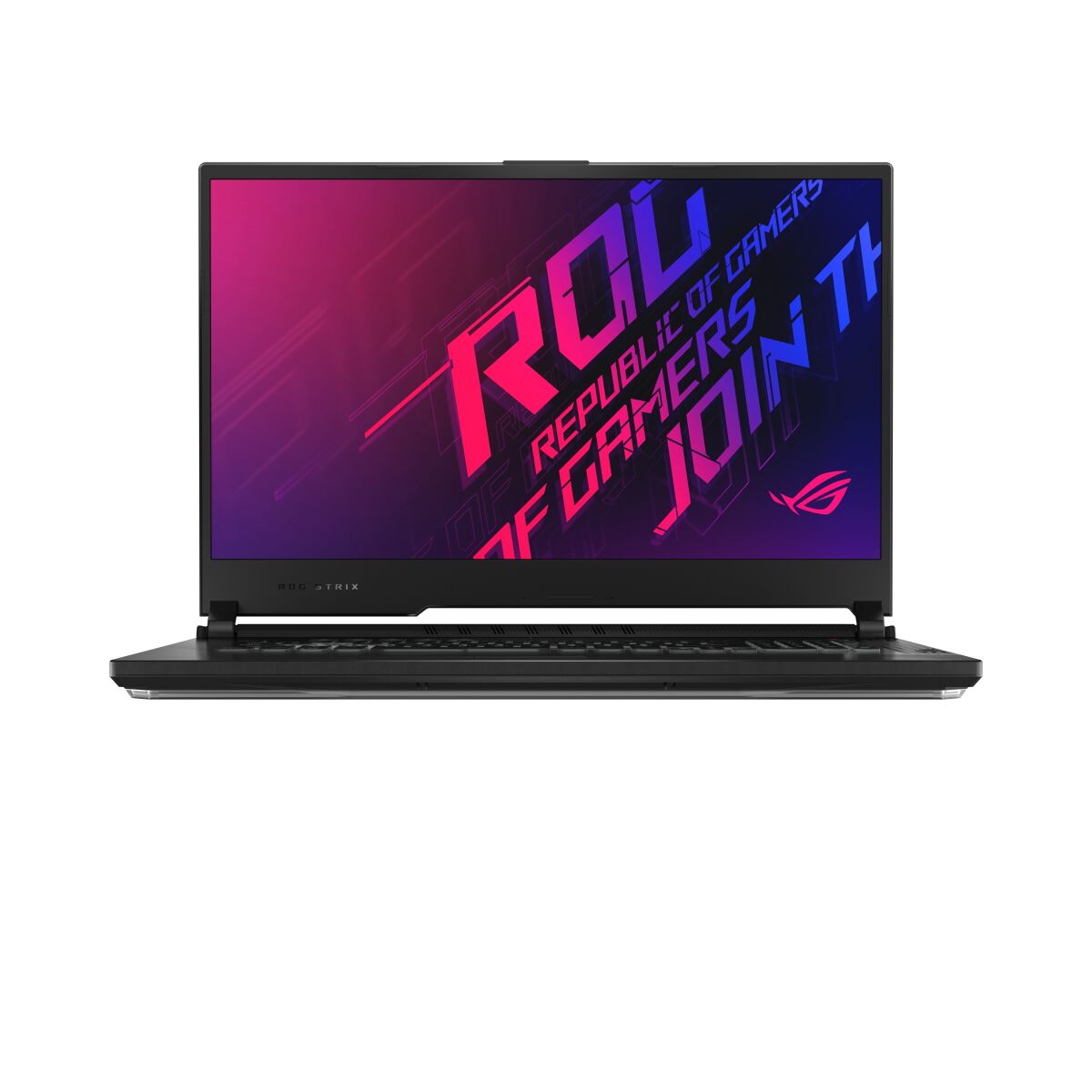
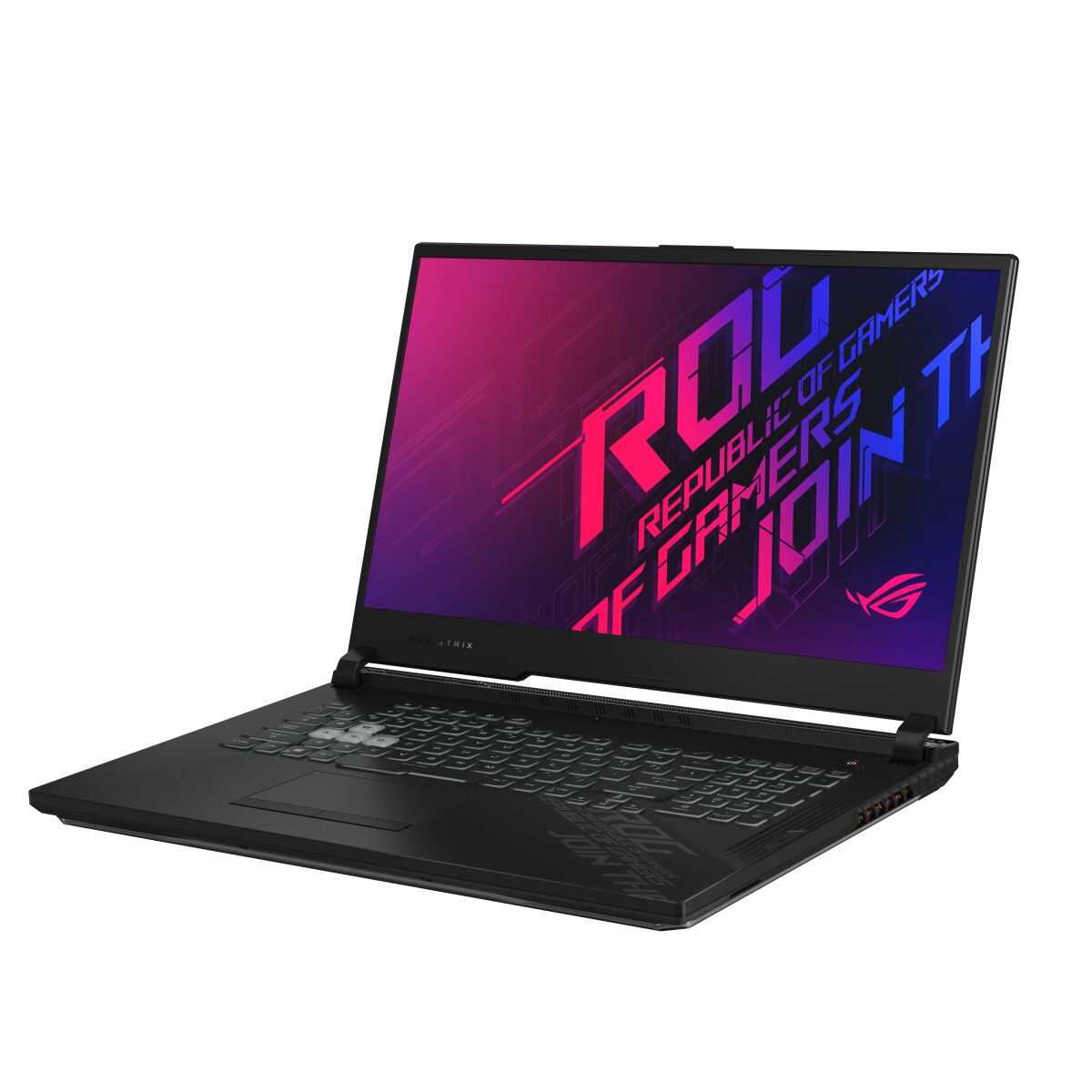
ASUS ROG Strix G712LWS-EV019T gaming laptop compatible with DDR4-SDRAM memory upgrade. Device features 2x SO-DIMM slots supporting maximum RAM capacity of 32 GB total. Memory specifications include DDR4 modules operating at 3200 MHz frequency. Upgrade path allows installation of compatible SO-DIMM form factor modules to enhance system performance and multitasking capabilities on this laptop model.
Memory Upgrade Specifications
| Specification | Value |
|---|---|
| Memory slots | 2x SO-DIMM |
| Form factor | SO-DIMM |
| Memory type | DDR4-SDRAM |
| Frequency | 3200 MHz |
| Maximum RAM | 32 GB |
| Voltage | 1.2V |
| Number of pins | 260-pin |
| Interface | PC4 |
| PC Speed Rating | PC4-3200 (PC4-25600) |
| Bandwidth | 25.6 GB/s |
| Laptop Release date | 17 September 2020 |
Additional Notes
- The ASUS ROG G712LWS-EV019T supports dual-channel memory architecture through its SO-DIMM configuration, which provides up to twice the theoretical bandwidth compared to single-channel operation when both slots are populated with matched modules.
- DDR4-3200 represents the highest JEDEC-standard frequency supported without overclocking, delivering 25.6 GB/s theoretical bandwidth per channel or 51.2 GB/s in dual-channel mode.
- The 32 GB maximum capacity constraint indicates chipset-level or BIOS limitations, requiring either 2x16 GB modules or a combination totaling no more than 32 GB across both slots.
- SO-DIMM modules measure 67.6 mm in length compared to 133.35 mm desktop DIMMs, preventing interchangeability between laptop and desktop memory configurations.
- Installing mismatched module capacities or speeds will force both modules to operate at the slower frequency and may disable dual-channel mode, reducing memory subsystem performance by approximately 50%.
- DDR4-3200 modules typically operate at 1.2V, though some require XMP/DOCP profiles that may not be accessible in laptop BIOS implementations, potentially limiting aftermarket modules to JEDEC SPD speeds of 2933 MHz or lower.
- The SO-DIMM form factor requires bottom panel removal for access, and incorrect installation pressure on the retention clips can damage the motherboard-mounted sockets, voiding manufacturer warranty coverage.
- Mixing DDR4 generations with different CAS latency timings (CL16, CL18, CL19, CL22) will default both modules to the highest latency value, increasing memory access delays by 1-6 nanoseconds depending on the mismatch.
- Third-party memory must meet JEDEC specifications for SO-DIMM height (30 mm maximum including heat spreader) to avoid physical interference with the keyboard assembly or cooling system components.
- Memory upgrades exceeding thermal design specifications may trigger throttling on the Intel 10th generation Core processor's integrated memory controller when sustained workloads exceed ambient temperature thresholds.