ASUS ROG G712LWS-EV120 RAM upgrade specifications
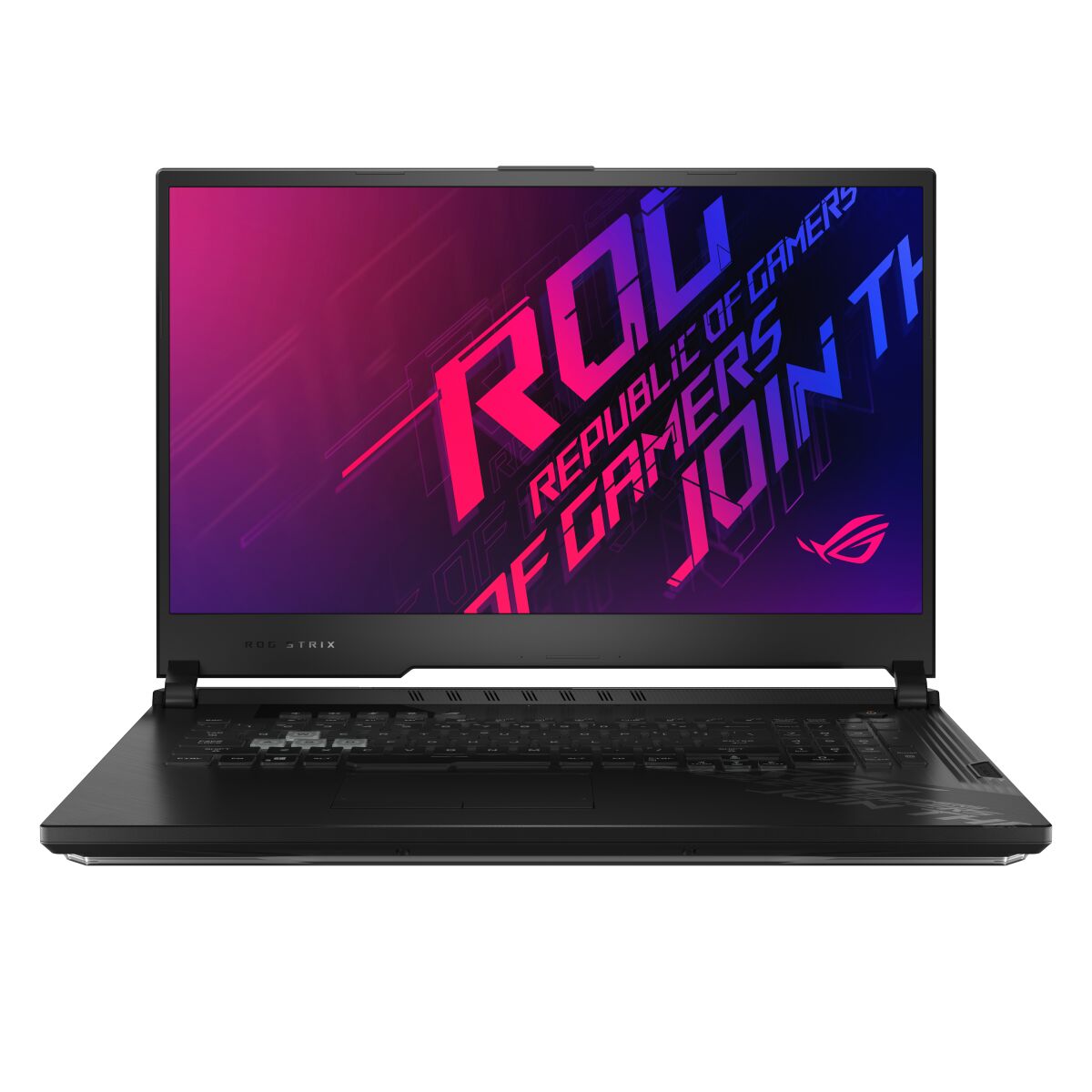
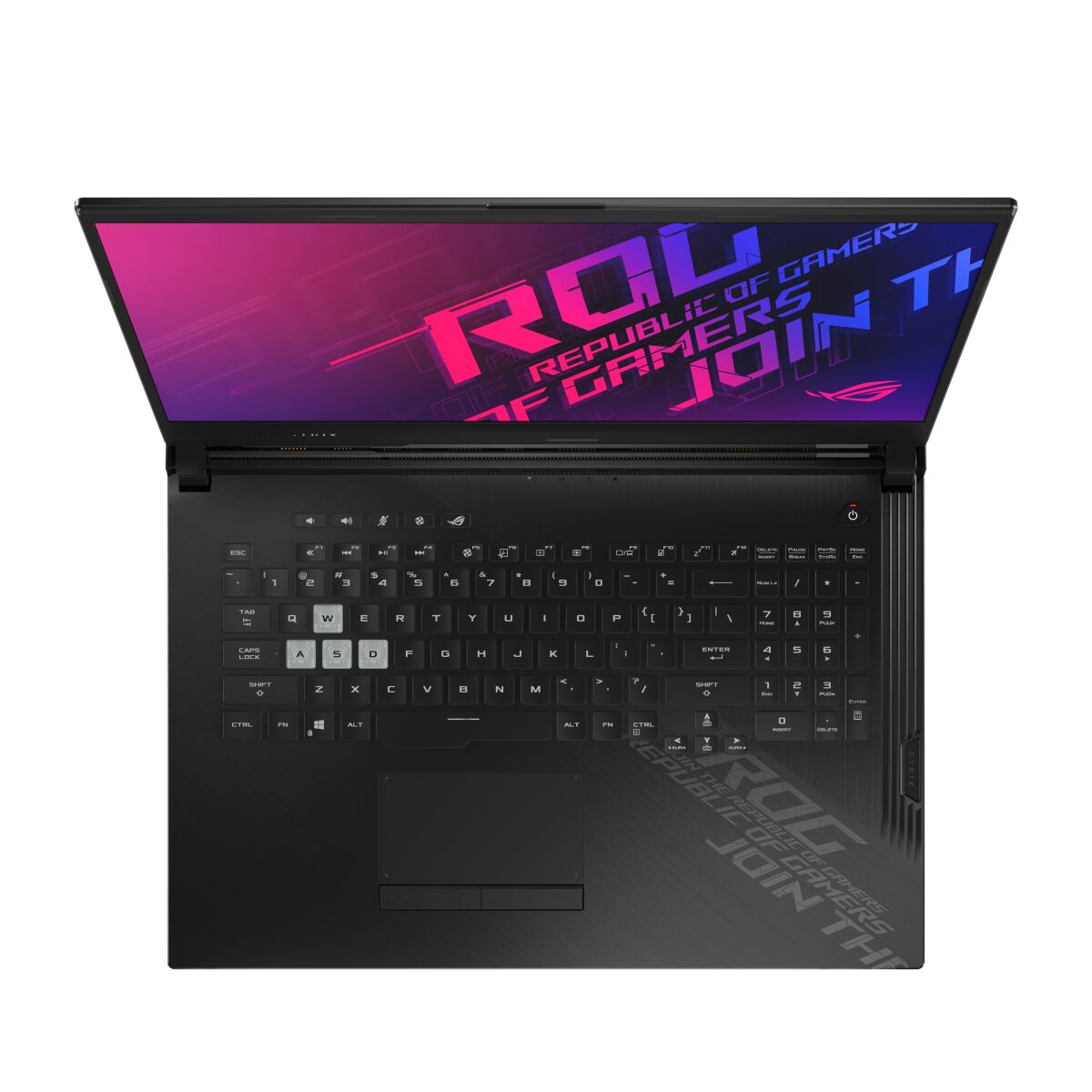
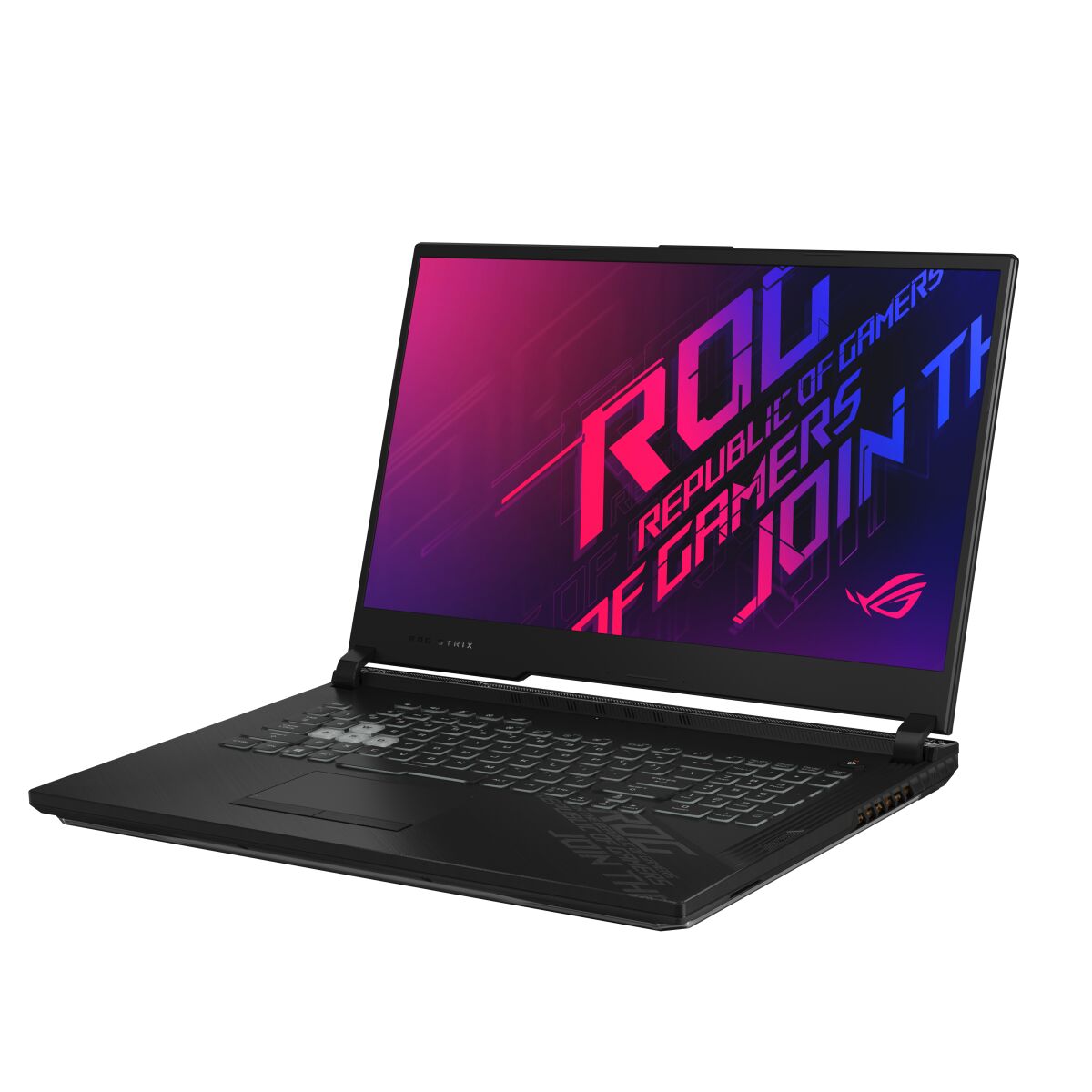
ASUS ROG Strix G712LWS-EV120 laptop memory upgrade specifications include two SO-DIMM slots supporting DDR4-SDRAM modules. Maximum RAM capacity reaches 32 GB total, with compatible memory operating at 3200 MHz frequency. Upgrade options available for this gaming laptop model accommodate SO-DIMM form factor memory modules. Specifications enable performance enhancement through RAM expansion within the two available memory slots.
Memory Upgrade Specifications
| Specification | Value |
|---|---|
| Memory slots | 2x SO-DIMM |
| Form factor | SO-DIMM |
| Memory type | DDR4-SDRAM |
| Frequency | 3200 MHz |
| Maximum RAM | 32 GB |
| Voltage | 1.2V |
| Number of pins | 260-pin |
| Interface | PC4 |
| PC Speed Rating | PC4-3200 (PC4-25600) |
| Bandwidth | 25.6 GB/s |
| Laptop Release date | 14 October 2020 |
Additional Notes
- The ASUS ROG G712LWS-EV120 supports only 2 memory slots, imposing a hard ceiling of 32 GB total capacity. Expansion beyond this threshold requires complete module replacement rather than addition.
- DDR4-3200 operates at a fixed frequency tier, constraining compatible modules to JEDEC standard ratings or certified vendor bins. Non-standard frequency variants will downclock to 3200 MHz, negating any performance premium from higher-speed modules.
- SO-DIMM form factor restricts upgrade sourcing to mobile-grade memory, which carries cost premiums relative to desktop UDIMM equivalents. This narrows vendor options and extends lead times for replacement inventory.
- Dual-slot architecture creates a bandwidth saturation point when both slots populate maximum-capacity modules. Single-channel memory operation (one populated slot) will halve memory bandwidth, producing measurable latency penalties in GPU-intensive workloads and threaded applications.
- Stock configuration density remains unknown from specifications alone. If the device ships with single 8 GB or 16 GB modules, installation of a matching capacity module will unlock dual-channel performance. Mismatched capacities (such as 8 GB plus 16 GB) will operate in dual-channel mode at the speed of the slowest module.
- Warranty coverage typically extends to SO-DIMM replacement when performed by end users without disassembly of soldered components. Thermal interface materials and backing plates require reseating during module swap, introducing minor risk of thermal compound displacement.