ASUS ROG G712LWS-EV571 RAM upgrade specifications
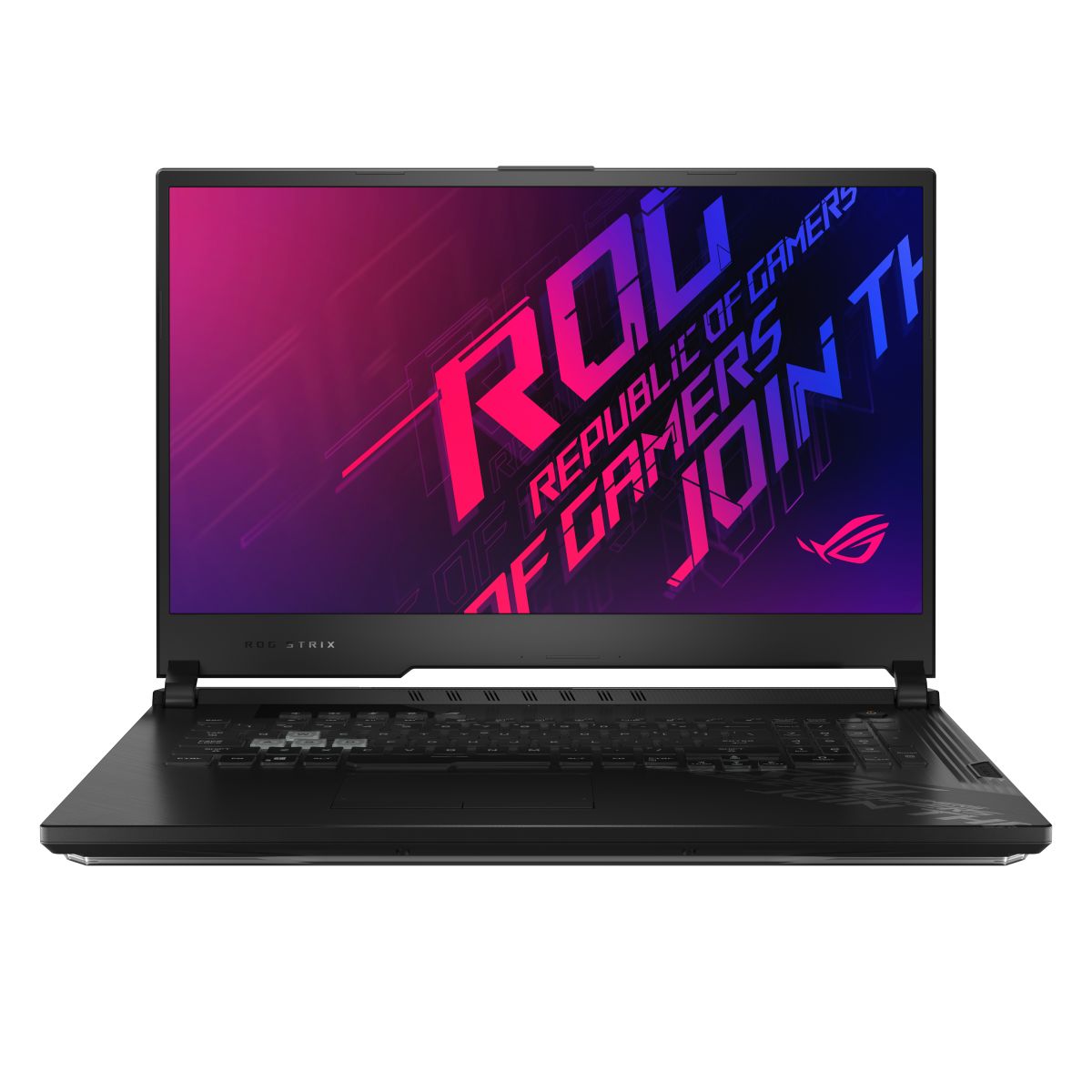

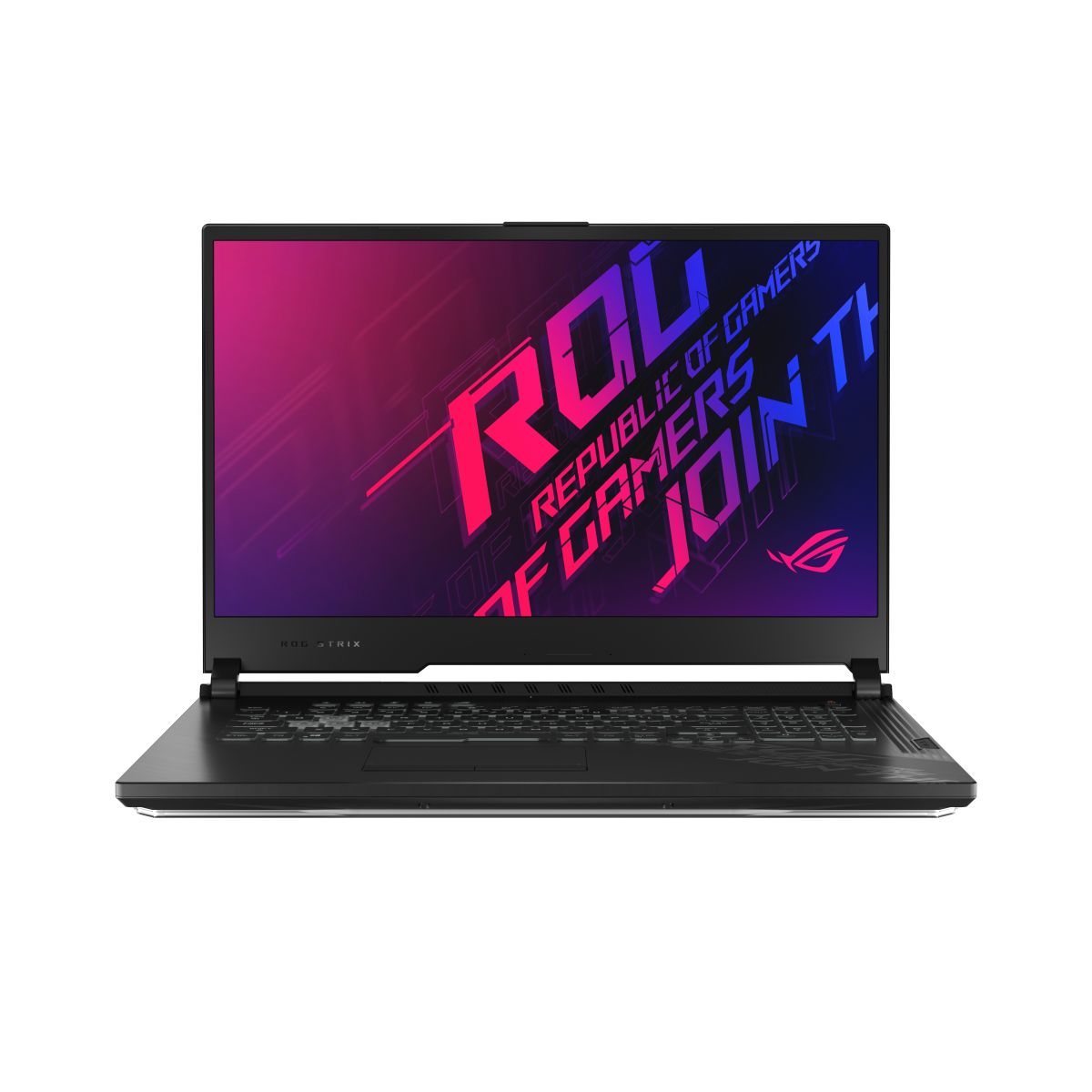
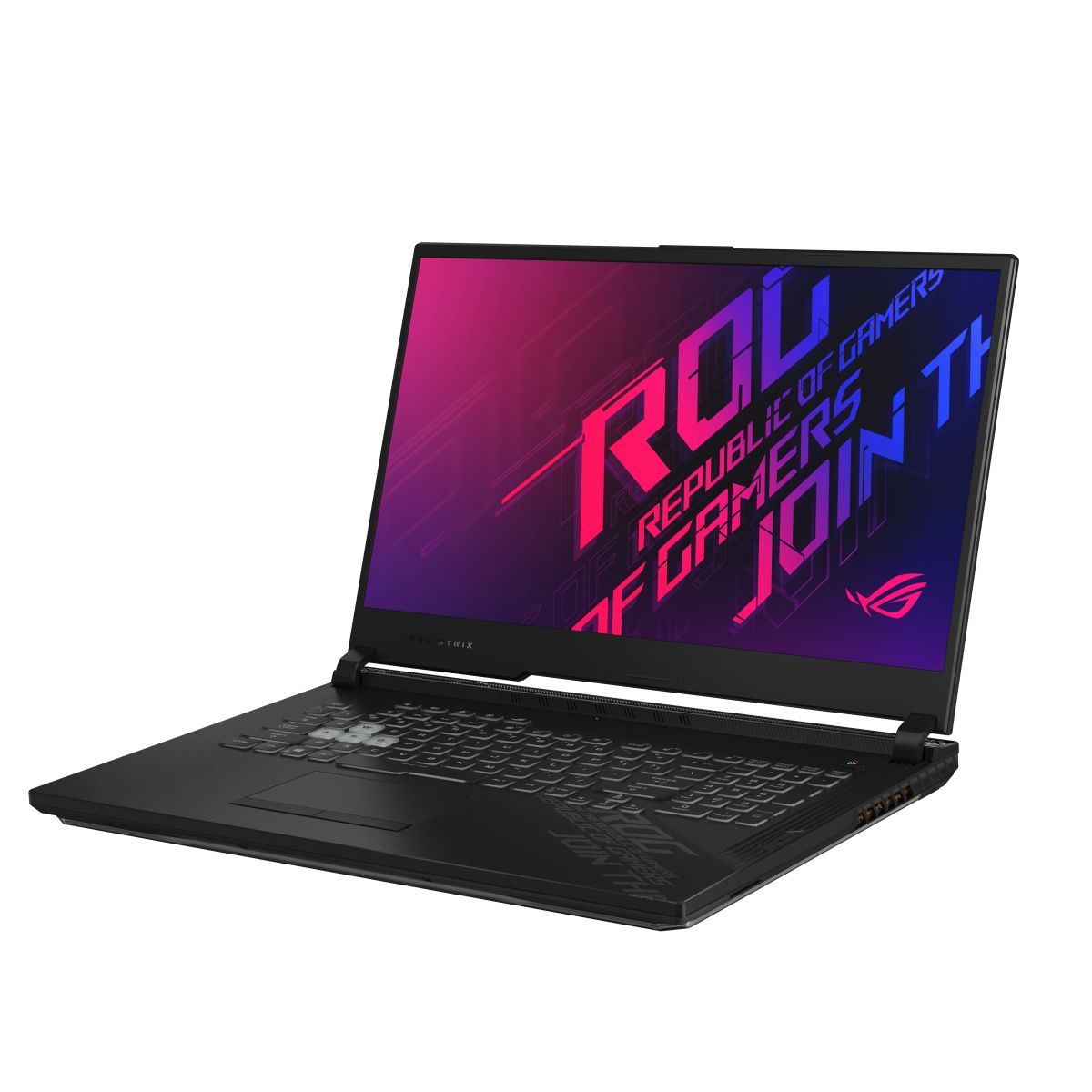
ASUS ROG Strix G712LWS-EV571 laptop features DDR4-SDRAM memory configuration with 2x SO-DIMM slots supporting maximum capacity of 32 GB RAM. Upgrade specifications indicate compatible memory operates at 3200 MHz frequency. SO-DIMM form factor memory modules enable RAM expansion for performance enhancement. Specifications provide details on memory slots and maximum supported capacity for upgrade planning.
Memory Upgrade Specifications
| Specification | Value |
|---|---|
| Memory slots | 2x SO-DIMM |
| Form factor | SO-DIMM |
| Memory type | DDR4-SDRAM |
| Frequency | 3200 MHz |
| Maximum RAM | 32 GB |
| Voltage | 1.2V |
| Number of pins | 260-pin |
| Interface | PC4 |
| PC Speed Rating | PC4-3200 (PC4-25600) |
| Bandwidth | 25.6 GB/s |
| Laptop Release date | 04 April 2020 |
Additional Notes
- The ASUS ROG G712LWS-EV571 accommodates a maximum of 32 GB total capacity across 2 slots, which constrains upgrade headroom; adding a single 16 GB module requires the existing memory to be removed and replaced rather than supplemented.
- DDR4-3200 memory operates at a fixed frequency; mixing modules rated above 3200 MHz will downclock to 3200 MHz, eliminating performance gains from higher-speed variants and increasing costs without functional benefit.
- SO-DIMM form factor limits upgrade sources to laptop-grade memory; desktop DDR4 UDIMM modules are physically incompatible and cannot be adapted, restricting eligible products to a narrower market segment with typically higher per-gigabyte pricing.
- Two-slot configuration creates a single point of failure; if one module degrades, the system loses half its memory capacity, whereas 4-slot designs distribute this risk across multiple components.
- Warranty coverage for RAM upgrades depends on installation method; factory-installed memory by authorized technicians typically remains covered, while user self-installation may void memory-related claims depending on ASUS support policies for this model generation.
- Latency and bandwidth limitations inherent to SO-DIMM designs result in lower sustained throughput compared to full-size DIMM counterparts, affecting applications sensitive to memory bandwidth such as video rendering or large dataset processing.