ASUS ROG GL502VY-FY024T RAM upgrade specifications


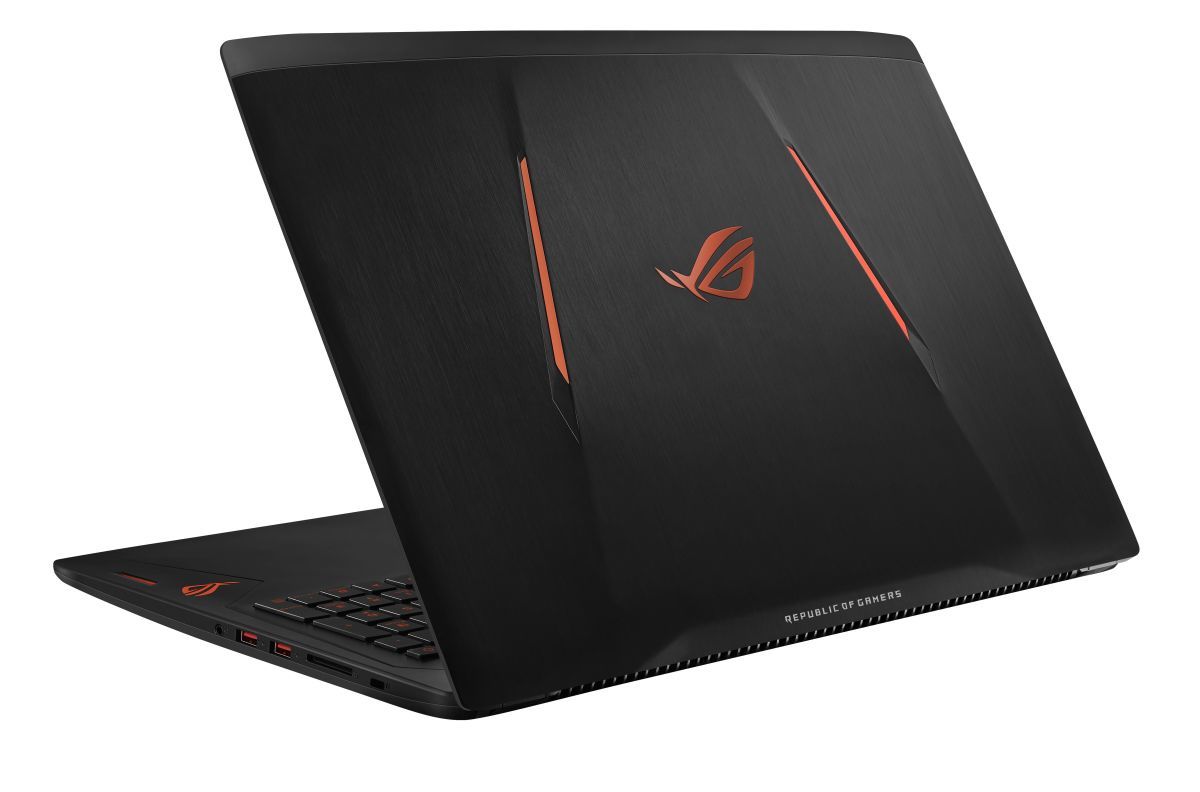
The ASUS ROG Strix GL502VY-FY024T features DDR4-SDRAM memory upgrade capabilities. The laptop contains two SO-DIMM slots for RAM expansion, supporting a maximum memory capacity of 64 GB total. Compatible memory modules operate at 2133 MHz frequency and use the SO-DIMM form factor. Specifications enable users to upgrade from the factory configuration to the maximum supported capacity through these two accessible memory slots.
Memory Upgrade Specifications
| Specification | Value |
|---|---|
| Memory slots | 2x SO-DIMM |
| Form factor | SO-DIMM |
| Memory type | DDR4-SDRAM |
| Frequency | 2133 MHz |
| Maximum RAM | 64 GB |
| Voltage | 1.2V |
| Number of pins | 260-pin |
| Interface | PC4 |
| PC Speed Rating | PC4-2133 (PC4-17064) |
| Bandwidth | 17.1 GB/s |
| Laptop Release date | 03 August 2017 |
Additional Notes
- The 2133 MHz specification indicates DDR4-2133 operation, limiting maximum memory bandwidth to 17.0 GB/s per channel or 34.1 GB/s in dual-channel configuration.
- Both memory slots utilize SO-DIMM form factor, requiring laptop-specific modules rather than desktop DIMM counterparts which are physically incompatible.
- The 64 GB maximum capacity constraint allows only 2x32GB module configurations at the upper limit, eliminating flexibility for asymmetric configurations beyond this threshold.
- DDR4-2133 represents the JEDEC baseline speed for DDR4, meaning higher-frequency modules (2400, 2666, 3200 MHz) will downclock to 2133 MHz if installed.
- The 2-slot limitation requires complete replacement of existing modules when upgrading, as no additional slots exist for incremental capacity expansion.
- Single-channel operation occurs if only 1 module is installed, reducing memory bandwidth by approximately 50% compared to dual-channel configuration with matched pairs.
- SO-DIMM DDR4 modules operate at 1.2V standard voltage, differing from DDR3L (1.35V) and DDR3 (1.5V), preventing backward compatibility with previous generation memory.
- The memory controller supports Error-Correcting Code (ECC) and non-ECC modules, though consumer SO-DIMMs typically lack ECC functionality due to cost considerations.
- Module height restrictions in laptop chassis may prevent installation of certain high-density or heat-spreader-equipped SO-DIMMs, despite electrical compatibility.
- The platform's Intel chipset dictates the 2133 MHz native speed, requiring XMP profile support for any overclocking beyond this specification, though most mobile platforms disable this feature.
- Dual-rank modules may provide marginal performance improvements over single-rank alternatives at identical capacities, though compatibility varies by memory controller implementation.
- Installing modules with mismatched speeds forces operation at the lowest common frequency, degrading potential performance when mixing specifications.