ASUS ROG GL503GE-EN142T RAM upgrade specifications
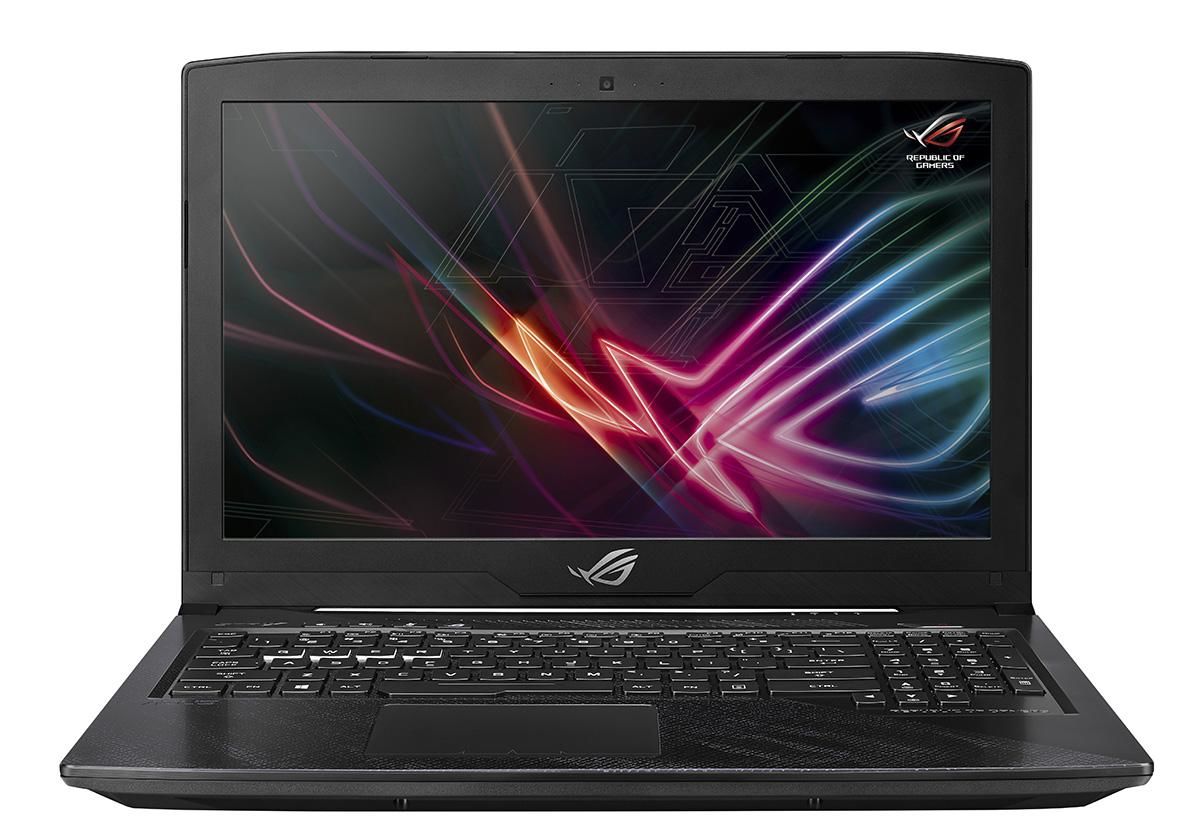




The ASUS ROG Strix GL503GE-EN142T laptop features DDR4-SDRAM memory specifications compatible with a maximum upgrade capacity of 32 GB RAM. The system contains two SO-DIMM memory slots, supporting DDR4 modules operating at 2666 MHz frequency. Each slot accommodates compatible SO-DIMM form factor memory modules. Current upgrade specifications indicate the GL503GE-EN142T supports memory expansion up to the 32 GB maximum capacity through standard SO-DIMM memory modules. Compatibility requirements specify DDR4-SDRAM technology with 2666 MHz operating frequency for optimal performance.
Memory Upgrade Specifications
| Specification | Value |
|---|---|
| Memory slots | 2x SO-DIMM |
| Form factor | SO-DIMM |
| Memory type | DDR4-SDRAM |
| Frequency | 2666 MHz |
| Maximum RAM | 32 GB |
| Voltage | 1.2V |
| Number of pins | 260-pin |
| Interface | PC4 |
| PC Speed Rating | PC4-2666 (PC4-21328) |
| Bandwidth | 21.3 GB/s |
| Laptop Release date | 21 March 2018 |
Additional Notes
- The ASUS ROG GL503GE-EN142T accepts DDR4 modules exclusively, preventing backward compatibility with DDR3 or DDR3L memory from older systems.
- The 2666 MHz frequency ceiling means that higher-speed modules rated at 3000 MHz or 3200 MHz will downclock to match the supported specification, wasting potential performance and cost premium.
- Dual-channel configuration requires matched module pairs for optimal memory bandwidth, particularly relevant for the integrated graphics subsystem that shares system memory.
- The 32 GB maximum capacity translates to a practical limit of 2 modules at 16 GB each, eliminating 4-module configurations possible in desktop systems.
- SO-DIMM form factor restricts compatibility to notebook-specific modules measuring 67.6 mm in length, physically incompatible with standard 133.35 mm DIMM modules.
- Both memory slots operate through the same memory controller channels, meaning single-slot population halves available memory bandwidth compared to dual-slot configuration.
- Mixed-capacity configurations remain functional but force all modules to operate at the speed and timings of the slowest installed module.
- Module height restrictions typical of SO-DIMM installations may reject certain high-profile heat-spreader equipped modules designed for desktop replacement systems.
- JEDEC-standard unbuffered modules are required, as registered or load-reduced memory types designed for server platforms will not initialize in consumer mobile chipsets.
- Operating voltage is fixed at 1.2V for DDR4 specification, rejecting low-voltage DDR3L modules that use 1.35V despite physical slot similarity.
- Memory controller limitations in mobile platforms may prevent XMP or overclocked profiles from activating even if modules support such features.
- The 2-slot configuration means capacity upgrades require full replacement of existing modules rather than supplementary installation when both slots are populated.