ASUS ROG GL503VD-FY270T RAM upgrade specifications




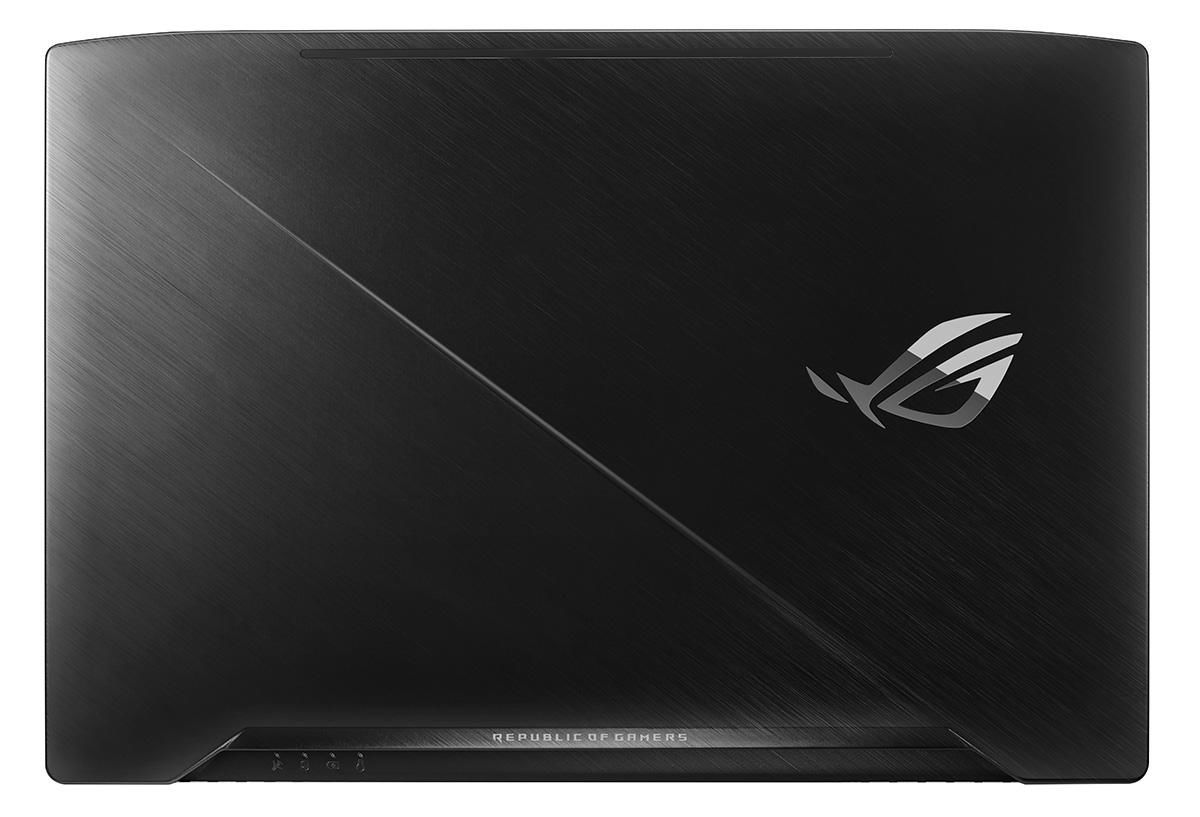
ASUS ROG Strix GL503VD-FY270T supports DDR4-SDRAM memory upgrades through 2x SO-DIMM slots. Maximum memory capacity reaches 32 GB total. Compatible RAM operates at 2400 MHz frequency. Specifications allow for single or dual module configurations in SO-DIMM form factor. RAM upgrade path provides substantial memory expansion for gaming and professional workload processing on ROG Strix gaming laptop series.
Memory Upgrade Specifications
| Specification | Value |
|---|---|
| Memory slots | 2x SO-DIMM |
| Form factor | SO-DIMM |
| Memory type | DDR4-SDRAM |
| Frequency | 2400 MHz |
| Maximum RAM | 32 GB |
| Voltage | 1.2V |
| Number of pins | 260-pin |
| Interface | PC4 |
| PC Speed Rating | PC4-2400 (PC4-19200) |
| Bandwidth | 19.2 GB/s |
| Laptop Release date | 11 February 2019 |
Additional Notes
- The system accepts only DDR4 SO-DIMM modules; desktop DDR4 DIMMs are physically incompatible with the SO-DIMM slots.
- The 32 GB maximum capacity requires 2x16 GB modules due to the presence of only 2 physical slots.
- Memory speed is locked at 2400 MHz by the chipset; installing faster modules (2666 MHz, 3200 MHz) will result in automatic downclocking to 2400 MHz.
- Accessing the SO-DIMM slots typically requires removing the bottom panel, which may involve voiding warranty seals depending on regional warranty terms.
- The dual-channel configuration requires matched module capacities (8+8 GB or 16+16 GB) in both slots to achieve maximum memory bandwidth.
- Mixing different capacity modules (8 GB + 16 GB) will force the system into single-channel mode or flex mode, reducing memory bandwidth by approximately 50%.
- Non-standard module heights above 30mm may create physical interference with the laptop chassis or thermal components.
- The 2400 MHz specification indicates compatibility with Intel 7th generation (Kaby Lake) or similar platform memory controllers.
- Operating voltage must be standard 1.2V DDR4; low-voltage or overclocking-oriented modules with XMP profiles may cause instability or boot failures.
- Upgrading from single-channel (1 module) to dual-channel (2 modules) configuration will double memory bandwidth from approximately 19 GB/s to 38 GB/s theoretical maximum.