ASUS ROG GL503VD-FY132T-BE RAM upgrade specifications
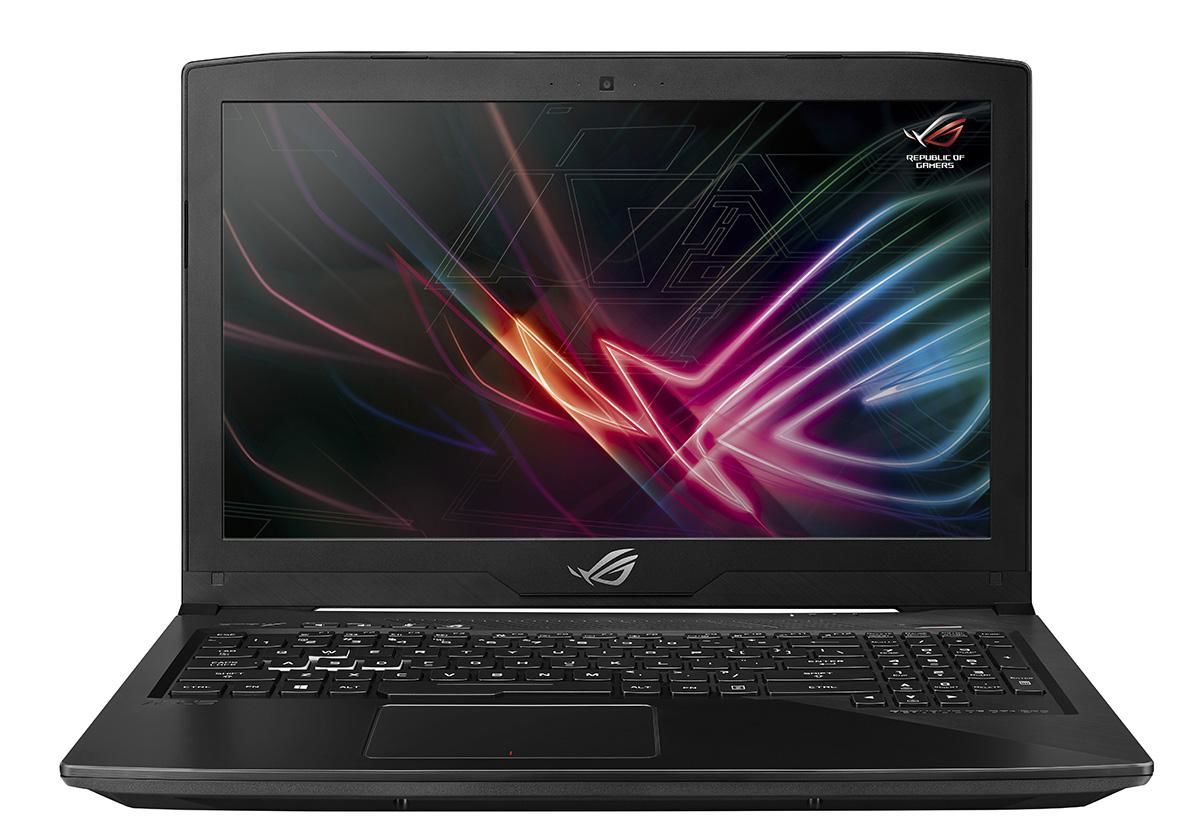

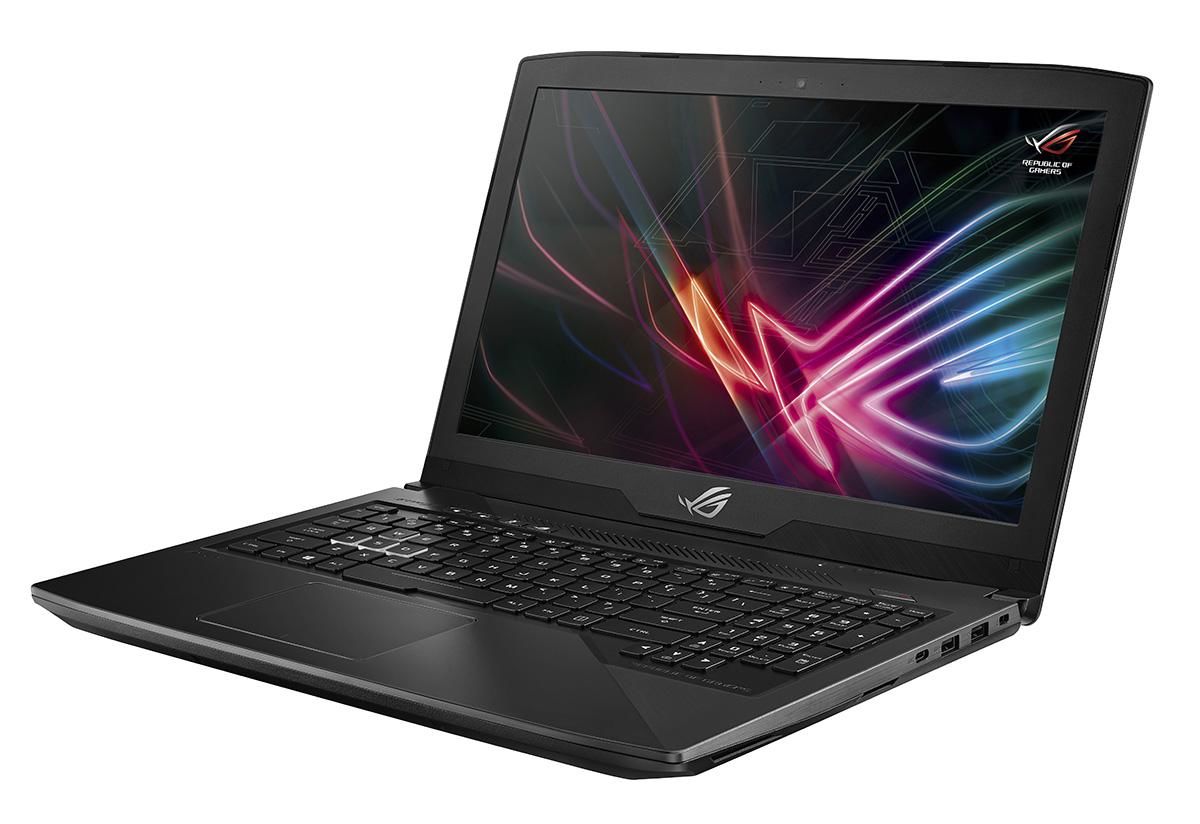

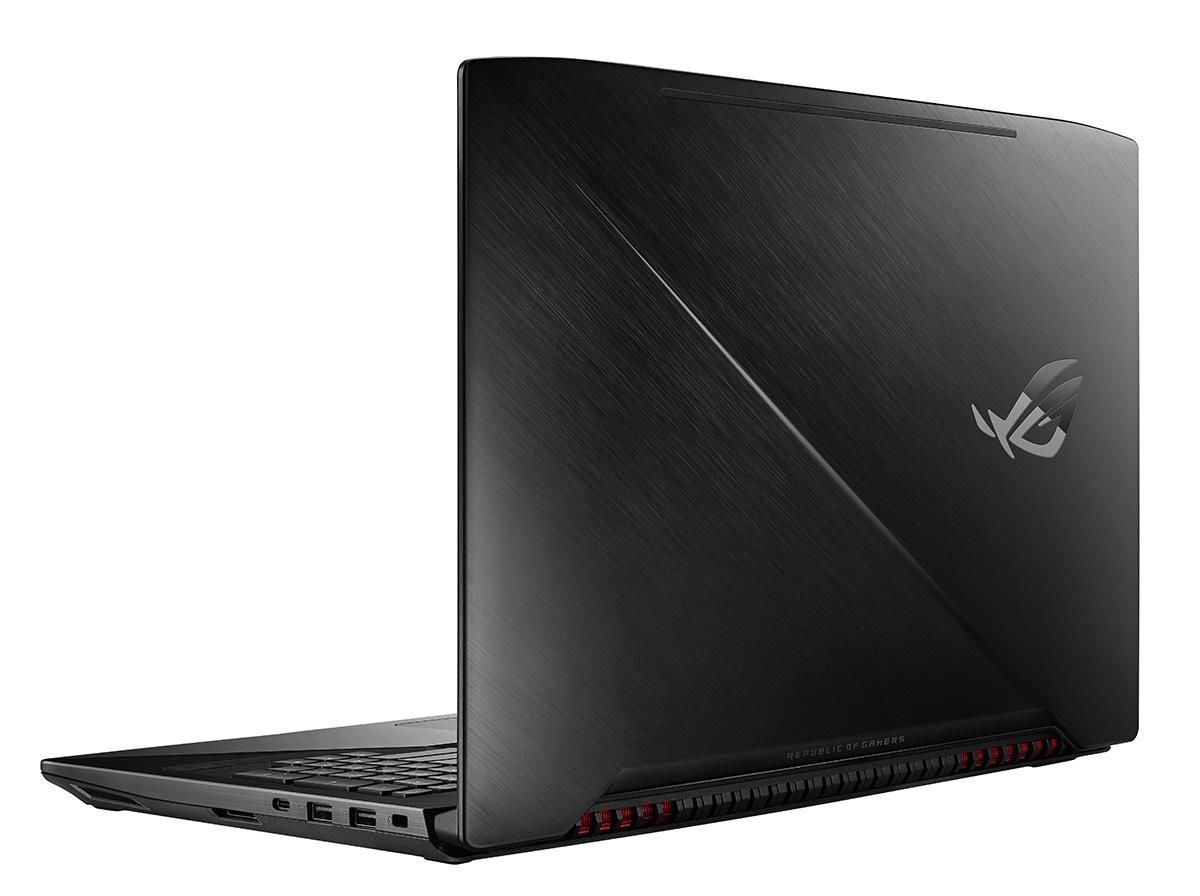
ASUS ROG Strix GL503VD-FY132T-BE laptop features DDR4-SDRAM memory upgrade specifications. The system includes two SO-DIMM slots compatible with DDR4 memory modules operating at 2400 MHz frequency. Maximum memory capacity reaches 32 GB total RAM. Upgrade options allow expansion of the existing memory configuration through the accessible SO-DIMM slots to achieve maximum specifications.
Memory Upgrade Specifications
| Specification | Value |
|---|---|
| Memory slots | 2x SO-DIMM |
| Form factor | SO-DIMM |
| Memory type | DDR4-SDRAM |
| Frequency | 2400 MHz |
| Maximum RAM | 32 GB |
| Voltage | 1.2V |
| Number of pins | 260-pin |
| Interface | PC4 |
| PC Speed Rating | PC4-2400 (PC4-19200) |
| Bandwidth | 19.2 GB/s |
| Laptop Release date | 21 January 2018 |
Additional Notes
- The 2400 MHz frequency ceiling indicates seventh-generation Intel Core processor architecture, which lacks native support for higher DDR4 speeds without manual overclocking.
- 32 GB maximum capacity requires 2 modules of 16 GB each, as the system provides exactly 2 slots with no expansion beyond dual-channel configuration.
- SO-DIMM form factor restricts compatibility to notebook-specific modules, eliminating desktop DIMM options that share the same DDR4-2400 specification but differ in physical dimensions.
- Single-channel operation occurs when only 1 slot is populated, reducing memory bandwidth by approximately 50% compared to dual-channel configuration with matched modules.
- Mixing modules with different speeds forces all installed memory to operate at the lowest common frequency, potentially downgrading 2666 MHz or 3200 MHz modules to 2400 MHz.
- Voltage specification defaults to 1.2V for standard DDR4, though the chipset may reject low-voltage 1.05V modules or high-performance 1.35V variants designed for XMP profiles.
- Non-ECC unbuffered modules are required, as registered or ECC memory types designed for server platforms will cause POST failures in consumer-grade ROG systems.
- Rank configuration affects maximum capacity per slot, where single-rank 16 GB modules may encounter compatibility issues if the memory controller only validates dual-rank 16 GB configurations at 2400 MHz.
- CAS latency variations within the 2400 MHz specification (CL15, CL16, CL17) remain compatible but affect real-world access times by 0.5 to 1 nanosecond per timing step.
- Thermal constraints in the GL503VD chassis may throttle performance if high-density modules without integrated heat spreaders exceed 85°C during sustained workloads.
- BIOS limitations may prevent recognition of modules manufactured after the laptop's 2017-2018 production window unless firmware updates explicitly add support for newer memory chip revisions.
- Warranty preservation requires avoiding physical damage to the SO-DIMM slot retention clips, which are fragile plastic mechanisms prone to breakage during improper module insertion angles.
- Asymmetric configurations like 8 GB plus 16 GB still enable dual-channel mode through flex memory technology, but only the first 16 GB operates in dual-channel while the remaining 8 GB defaults to single-channel.
- The absence of quad-channel support means bandwidth peaks at approximately 38.4 GB/s theoretical maximum with dual-channel 2400 MHz operation, insufficient for professional video editing workflows exceeding 4K resolution.