ASUS ROG GL702VS-BA207T RAM upgrade specifications

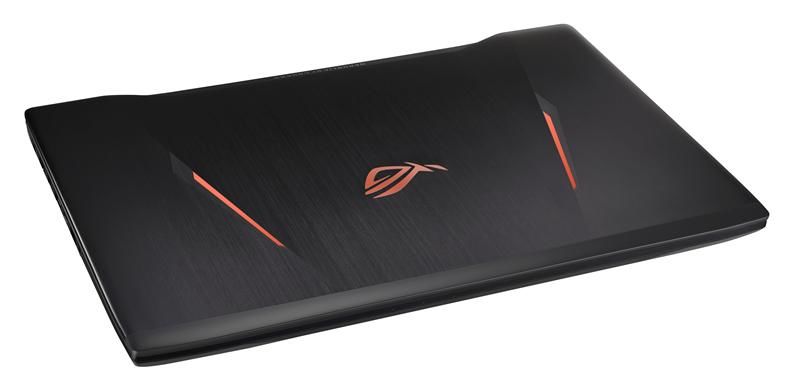


The ASUS ROG Strix GL702VS-BA207T features DDR4-SDRAM memory with upgrade capabilities across two SO-DIMM slots. The laptop supports maximum RAM capacity of 32 GB, compatible with DDR4 memory operating at 2400 MHz frequency. Specifications indicate expandable memory configuration via SO-DIMM form factor slots, enabling users to upgrade from factory-installed capacity to full 32 GB specifications. Memory modules must meet DDR4-SDRAM standards and 2400 MHz compatibility requirements for optimal performance integration within the ROG Strix series platform.
Memory Upgrade Specifications
| Specification | Value |
|---|---|
| Memory slots | 2x SO-DIMM |
| Form factor | SO-DIMM |
| Memory type | DDR4-SDRAM |
| Frequency | 2400 MHz |
| Maximum RAM | 32 GB |
| Voltage | 1.2V |
| Number of pins | 260-pin |
| Interface | PC4 |
| PC Speed Rating | PC4-2400 (PC4-19200) |
| Bandwidth | 19.2 GB/s |
| Laptop Release date | 15 October 2017 |
Additional Notes
- Dual channel memory architecture requires installing symmetrical modules in both slots to maximize memory bus bandwidth.
- Operating speeds will revert to the slowest installed module if mismatched frequencies are used within the 2 slots.
- The 32 GB threshold limits individual slot capacity to 16 GB per module because the firmware does not support 32 GB high density sticks.
- Standard 1.2V DDR4 SODIMM hardware is required for electrical compatibility as the motherboard lacks support for older 1.35V or 1.5V voltage standards.
- Physical access to both SO-DIMM slots necessitates the removal of the entire lower chassis cover which may involve piercing factory warranty seals on internal screws.
- Integrated heat spreader clearance for memory modules is limited by the slim chassis design of the Strix series preventing the use of oversized aftermarket cooling fins.
- Memory latency timings will automatically default to JEDEC standard profiles because the mobile chipset lacks XMP overclocking support in the BIOS.
- System stability is contingent on non-ECC unbuffered memory types since the processor and chipset do not support error correction code protocols.